

down into the underlying soil and topsoils may sometimes
be black with concentrated organic matter.
The organic acids also combine with iron and aluminium
to form metal–organic complexes (chelate complexes) that
migrate through the soil. Alternatively, aluminium, iron, and
silicon form inorganic Al–Fe-Si complexes (called
proto-imogolite), which move in solution as ‘sols’ independently of the organic compounds before precipitation or
adsorption in the lower profile. Fine-grained humus particles
may move through soil profiles in suspension as well as
solution. Thus, iron, aluminium, silicon, and organic matter
complexes are removed from the upper subsoil leaving
behind a pale-coloured, often sandy, quartz-rich, E horizon
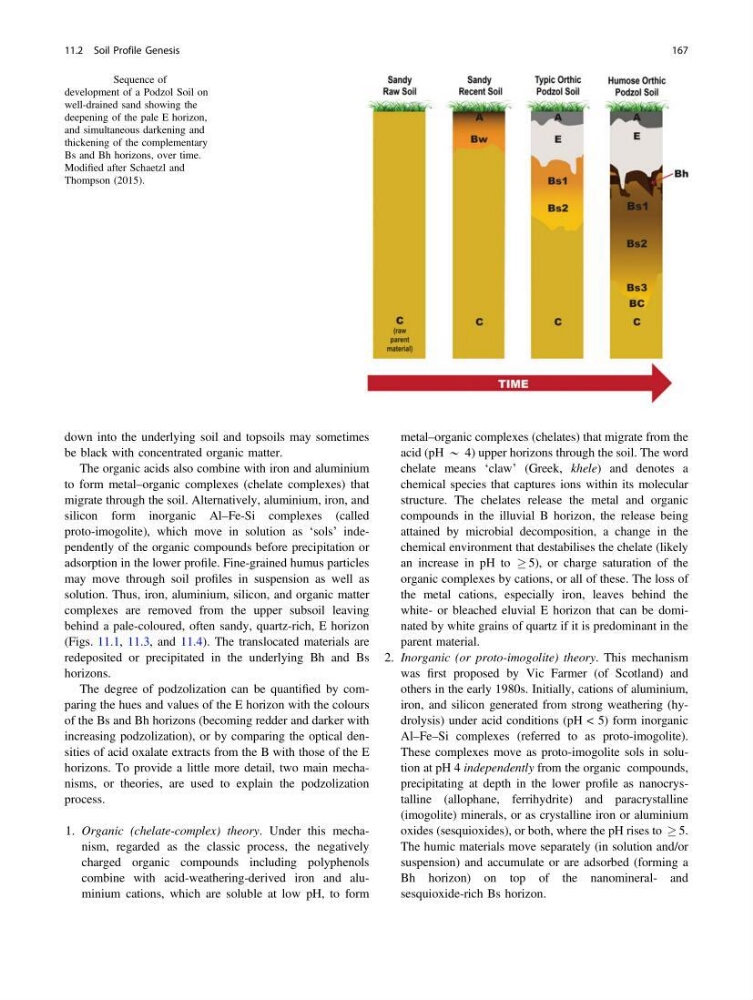
(Figs. 11.1, 11.3, and 11.4). The translocated materials are
redeposited or precipitated in the underlying Bh and Bs
horizons.
The degree of podzolization can be quantified by comparing the hues and values of the E horizon with the colours
of the Bs and Bh horizons (becoming redder and darker with
increasing podzolization), or by comparing the optical densities of acid oxalate extracts from the B with those of the E
horizons. To provide a little more detail, two main mechanisms, or theories, are used to explain the podzolization
process.
1. Organic (chelate-complex) theory. Under this mechanism, regarded as the classic process, the negatively
charged organic compounds including polyphenols
combine with acid-weathering-derived iron and aluminium cations, which are soluble at low pH, to form
metal–organic complexes (chelates) that migrate from the
acid (pH * 4) upper horizons through the soil. The word
chelate means ‘claw’ (Greek, khele) and denotes a
chemical species that captures ions within its molecular
structure. The chelates release the metal and organic
compounds in the illuvial B horizon, the release being
attained by microbial decomposition, a change in the
chemical environment that destabilises the chelate (likely
an increase in pH to 5), or charge saturation of the
organic complexes by cations, or all of these. The loss of
the metal cations, especially iron, leaves behind the
white- or bleached eluvial E horizon that can be dominated by white grains of quartz if it is predominant in the
parent material.
2. Inorganic (or proto-imogolite) theory. This mechanism
was first proposed by Vic Farmer (of Scotland) and
others in the early 1980s. Initially, cations of aluminium,
iron, and silicon generated from strong weathering (hydrolysis) under acid conditions (pH < 5) form inorganic
Al–Fe–Si complexes (referred to as proto-imogolite).
These complexes move as proto-imogolite sols in solution at pH 4 independently from the organic compounds,
precipitating at depth in the lower profile as nanocrystalline (allophane, ferrihydrite) and paracrystalline
(imogolite) minerals, or as crystalline iron or aluminium
oxides (sesquioxides), or both, where the pH rises to 5.
The humic materials move separately (in solution and/or
suspension) and accumulate or are adsorbed (forming a
Bh horizon) on top of the nanomineral- and
sesquioxide-rich Bs horizon.
Fig. 11.4 Sequence of
development of a Podzol Soil on
well-drained sand showing the
deepening of the pale E horizon,
and simultaneous darkening and
thickening of the complementary
Bs and Bh horizons, over time.
Modified after Schaetzl and
Thompson (2015).
11.2 Soil Profile Genesis
167
be black with concentrated organic matter.
The organic acids also combine with iron and aluminium
to form metal–organic complexes (chelate complexes) that
migrate through the soil. Alternatively, aluminium, iron, and
silicon form inorganic Al–Fe-Si complexes (called
proto-imogolite), which move in solution as ‘sols’ independently of the organic compounds before precipitation or
adsorption in the lower profile. Fine-grained humus particles
may move through soil profiles in suspension as well as
solution. Thus, iron, aluminium, silicon, and organic matter
complexes are removed from the upper subsoil leaving
behind a pale-coloured, often sandy, quartz-rich, E horizon
(Figs. 11.1, 11.3, and 11.4). The translocated materials are
redeposited or precipitated in the underlying Bh and Bs
horizons.
The degree of podzolization can be quantified by comparing the hues and values of the E horizon with the colours
of the Bs and Bh horizons (becoming redder and darker with
increasing podzolization), or by comparing the optical densities of acid oxalate extracts from the B with those of the E
horizons. To provide a little more detail, two main mechanisms, or theories, are used to explain the podzolization
process.
1. Organic (chelate-complex) theory. Under this mechanism, regarded as the classic process, the negatively
charged organic compounds including polyphenols
combine with acid-weathering-derived iron and aluminium cations, which are soluble at low pH, to form
metal–organic complexes (chelates) that migrate from the
acid (pH * 4) upper horizons through the soil. The word
chelate means ‘claw’ (Greek, khele) and denotes a
chemical species that captures ions within its molecular
structure. The chelates release the metal and organic
compounds in the illuvial B horizon, the release being
attained by microbial decomposition, a change in the
chemical environment that destabilises the chelate (likely
an increase in pH to 5), or charge saturation of the
organic complexes by cations, or all of these. The loss of
the metal cations, especially iron, leaves behind the
white- or bleached eluvial E horizon that can be dominated by white grains of quartz if it is predominant in the
parent material.
2. Inorganic (or proto-imogolite) theory. This mechanism
was first proposed by Vic Farmer (of Scotland) and
others in the early 1980s. Initially, cations of aluminium,
iron, and silicon generated from strong weathering (hydrolysis) under acid conditions (pH < 5) form inorganic
Al–Fe–Si complexes (referred to as proto-imogolite).
These complexes move as proto-imogolite sols in solution at pH 4 independently from the organic compounds,
precipitating at depth in the lower profile as nanocrystalline (allophane, ferrihydrite) and paracrystalline
(imogolite) minerals, or as crystalline iron or aluminium
oxides (sesquioxides), or both, where the pH rises to 5.
The humic materials move separately (in solution and/or
suspension) and accumulate or are adsorbed (forming a
Bh horizon) on top of the nanomineral- and
sesquioxide-rich Bs horizon.
Fig. 11.4 Sequence of
development of a Podzol Soil on
well-drained sand showing the
deepening of the pale E horizon,
and simultaneous darkening and
thickening of the complementary
Bs and Bh horizons, over time.
Modified after Schaetzl and
Thompson (2015).
11.2 Soil Profile Genesis
167