

and ionic gelation (Borgogna et al. 2010) have been utilized for encapsulating
bioactive compounds. Wide range of wall-forming materials from natural and
synthetic sources have been used in microencapsulation of bioactive compounds
and the nature and quantity of these wall formers determined, to a large extent, the
quality and functionality of the resultant microcapsules.
In an ideal delivery system, the bioactive compounds should not be allowed to
affect the color or flavor or interact with the sensory organs and also the particles are
presented small enough not to interfere with the texture (Champagne and Fustier
2007). Microencapsulation is a technology to achieve this objective in effective
delivery of bioactive compounds. An extract of Gentiana lutea root containing
bitter secoiridoids was coated with ethylcellulose–stearate system into microcapsules and was found to mask the bitterness in the mouth and the release of the
bioactive compound in the GI effectively reduces the daily energy intake in human
subjects (Mennella et al. 2016). Not only with the bitter taste alone, natural compounds often come with strong odor or flavor, leaving behind a sensation of
astringency. Apart from enhancing its stability, the strong flavor and astringency of
cinnamon extract, a rich source of proanthocyanidins, were successfully concealed
by microcapsulation with gelatin/gum arabic and gelatin/j-carrageenan systems
(De Souza et al. 2020).
Spray drying is one of the most common methods employed for microencapsulation of bioactive compounds. Spray drying was employed to effectively
encapsulate both the seed oils and peel extract of pomegranate to provide protection
of the phenolics and fatty acid contents which are otherwise highly sensitive to
Table 20.1 (continued)
Bioactive
compound
Encapsulation type/
techniques
Improvement after encapsulation
References
Thymol
Liposome/lipid film
hydration technique
Sustained released, increased
activity
Engel et al.
(2017)
Naringenin
Liposome/thin film
hydration
Enhanced solubility and
bioavailability
Wang et al.
(2017)
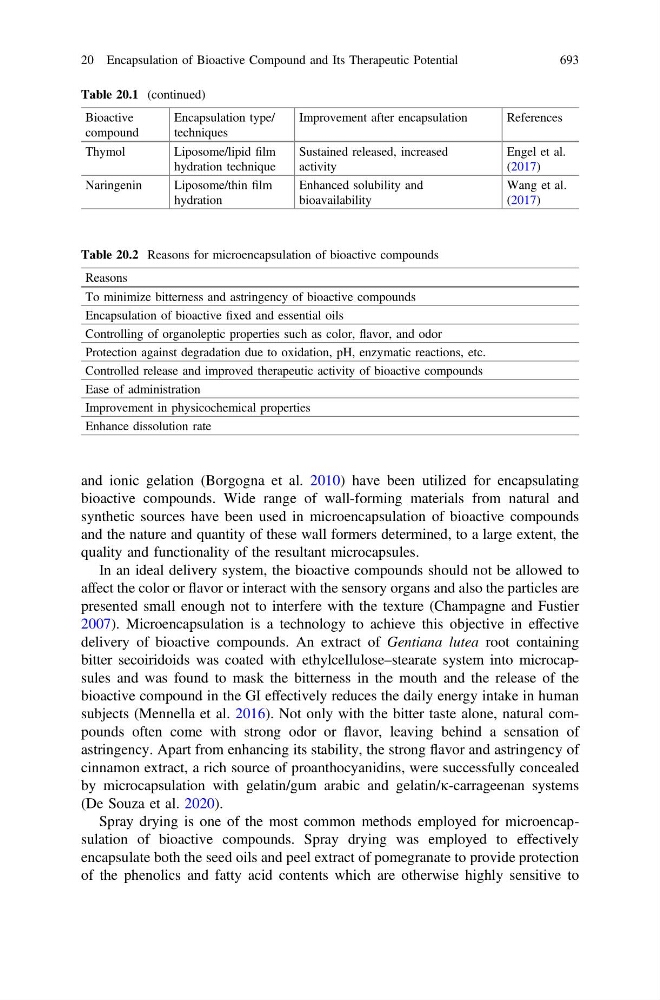
Table 20.2 Reasons for microencapsulation of bioactive compounds
Reasons
To minimize bitterness and astringency of bioactive compounds
Encapsulation of bioactive fixed and essential oils
Controlling of organoleptic properties such as color, flavor, and odor
Protection against degradation due to oxidation, pH, enzymatic reactions, etc.
Controlled release and improved therapeutic activity of bioactive compounds
Ease of administration
Improvement in physicochemical properties
Enhance dissolution rate
20 Encapsulation of Bioactive Compound and Its Therapeutic Potential
693