

Technologies for Treatment of Zinc-Containing …
805
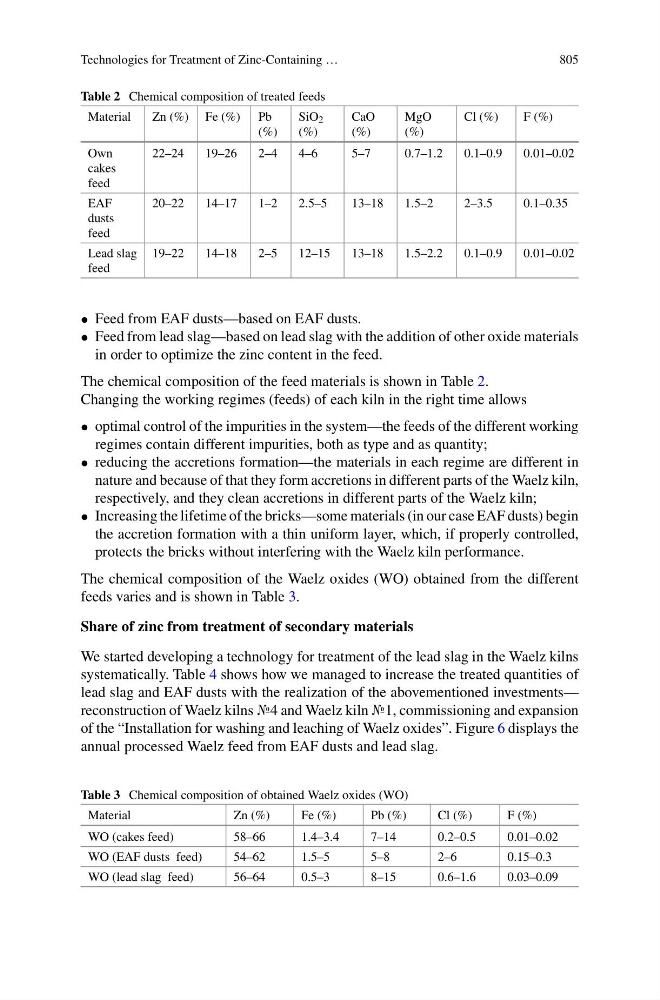
Table 2 Chemical composition of treated feeds
Material
Zn (%) Fe (%) Pb
(%)
SiO 2
(%)
CaO
(%)
MgO
(%)
Cl (%)
F (%)
Own
cakes
feed
22–24
19–26
2–4
4–6
5–7
0.7–1.2
0.1–0.9
0.01–0.02
EAF
dusts
feed
20–22
14–17
1–2
2.5–5
13–18
1.5–2
2–3.5
0.1–0.35
Lead slag
feed
19–22
14–18
2–5
12–15
13–18
1.5–2.2
0.1–0.9
0.01–0.02
• Feed from EAF dusts—based on EAF dusts.
• Feed from lead slag—based on lead slag with the addition of other oxide materials
in order to optimize the zinc content in the feed.
The chemical composition of the feed materials is shown in Table 2.
Changing the working regimes (feeds) of each kiln in the right time allows
• optimal control of the impurities in the system—the feeds of the different working
regimes contain different impurities, both as type and as quantity;
• reducing the accretions formation—the materials in each regime are different in
nature and because of that they form accretions in different parts of the Waelz kiln,
respectively, and they clean accretions in different parts of the Waelz kiln;
• Increasing the lifetime of the bricks—some materials (in our case EAF dusts) begin
the accretion formation with a thin uniform layer, which, if properly controlled,
protects the bricks without interfering with the Waelz kiln performance.
The chemical composition of the Waelz oxides (WO) obtained from the different
feeds varies and is shown in Table 3.
Share of zinc from treatment of secondary materials
We started developing a technology for treatment of the lead slag in the Waelz kilns
systematically. Table 4 shows how we managed to increase the treated quantities of
lead slag and EAF dusts with the realization of the abovementioned investments—
reconstruction of Waelz kilns №4 and Waelz kiln №1, commissioning and expansion
of the “Installation for washing and leaching of Waelz oxides”. Figure 6 displays the
annual processed Waelz feed from EAF dusts and lead slag.
Table 3 Chemical composition of obtained Waelz oxides (WO)
Material
Zn (%)
Fe (%)
Pb (%)
Cl (%)
F (%)
WO (cakes feed)
58–66
1.4–3.4
7–14
0.2–0.5
0.01–0.02
WO (EAF dusts feed)
54–62
1.5–5
5–8
2–6
0.15–0.3
WO (lead slag feed)
56–64
0.5–3
8–15
0.6–1.6
0.03–0.09