

Interaction of Nanoparticles with Reservoir Fluids and Rocks …
301
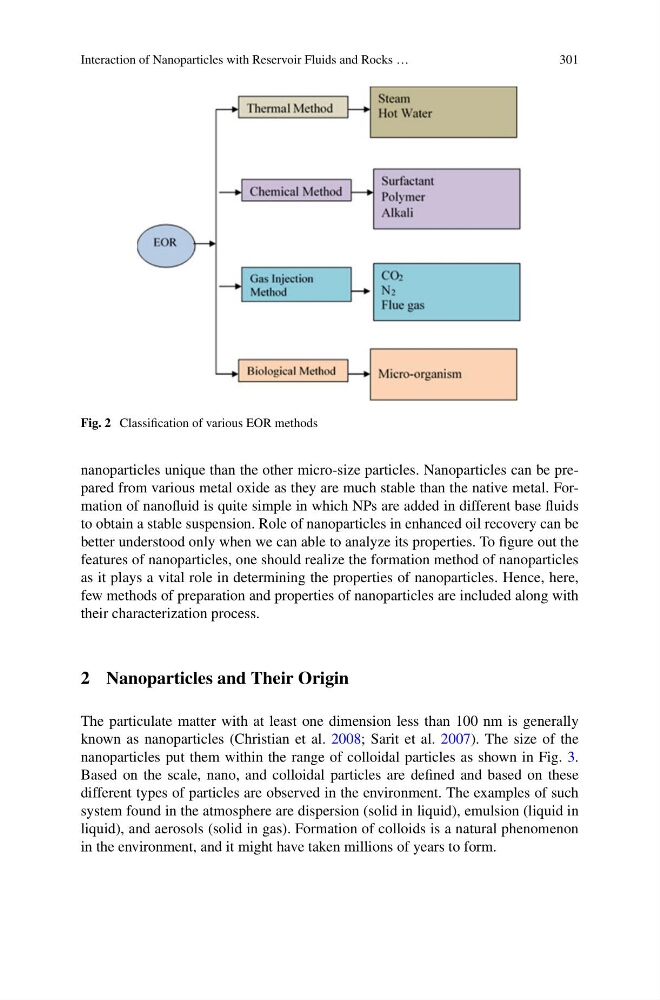
Fig. 2 Classification of various EOR methods
nanoparticles unique than the other micro-size particles. Nanoparticles can be prepared from various metal oxide as they are much stable than the native metal. Formation of nanofluid is quite simple in which NPs are added in different base fluids
to obtain a stable suspension. Role of nanoparticles in enhanced oil recovery can be
better understood only when we can able to analyze its properties. To figure out the
features of nanoparticles, one should realize the formation method of nanoparticles
as it plays a vital role in determining the properties of nanoparticles. Hence, here,
few methods of preparation and properties of nanoparticles are included along with
their characterization process.
2 Nanoparticles and Their Origin
The particulate matter with at least one dimension less than 100 nm is generally
known as nanoparticles (Christian et al. 2008; Sarit et al. 2007). The size of the
nanoparticles put them within the range of colloidal particles as shown in Fig. 3.
Based on the scale, nano, and colloidal particles are defined and based on these
different types of particles are observed in the environment. The examples of such
system found in the atmosphere are dispersion (solid in liquid), emulsion (liquid in
liquid), and aerosols (solid in gas). Formation of colloids is a natural phenomenon
in the environment, and it might have taken millions of years to form.
301
Fig. 2 Classification of various EOR methods
nanoparticles unique than the other micro-size particles. Nanoparticles can be prepared from various metal oxide as they are much stable than the native metal. Formation of nanofluid is quite simple in which NPs are added in different base fluids
to obtain a stable suspension. Role of nanoparticles in enhanced oil recovery can be
better understood only when we can able to analyze its properties. To figure out the
features of nanoparticles, one should realize the formation method of nanoparticles
as it plays a vital role in determining the properties of nanoparticles. Hence, here,
few methods of preparation and properties of nanoparticles are included along with
their characterization process.
2 Nanoparticles and Their Origin
The particulate matter with at least one dimension less than 100 nm is generally
known as nanoparticles (Christian et al. 2008; Sarit et al. 2007). The size of the
nanoparticles put them within the range of colloidal particles as shown in Fig. 3.
Based on the scale, nano, and colloidal particles are defined and based on these
different types of particles are observed in the environment. The examples of such
system found in the atmosphere are dispersion (solid in liquid), emulsion (liquid in
liquid), and aerosols (solid in gas). Formation of colloids is a natural phenomenon
in the environment, and it might have taken millions of years to form.