

Interaction of Heavy Crude Oil and Nanoparticles …
243
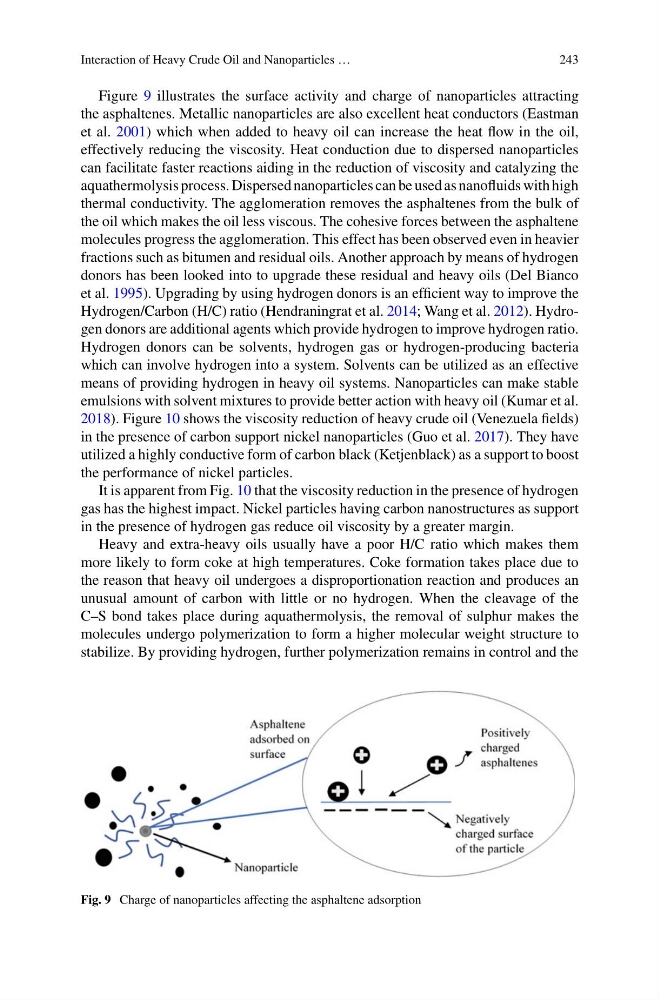
Figure 9 illustrates the surface activity and charge of nanoparticles attracting
the asphaltenes. Metallic nanoparticles are also excellent heat conductors (Eastman
et al. 2001) which when added to heavy oil can increase the heat flow in the oil,
effectively reducing the viscosity. Heat conduction due to dispersed nanoparticles
can facilitate faster reactions aiding in the reduction of viscosity and catalyzing the
aquathermolysis process. Dispersed nanoparticles can be used as nanofluids with high
thermal conductivity. The agglomeration removes the asphaltenes from the bulk of
the oil which makes the oil less viscous. The cohesive forces between the asphaltene
molecules progress the agglomeration. This effect has been observed even in heavier
fractions such as bitumen and residual oils. Another approach by means of hydrogen
donors has been looked into to upgrade these residual and heavy oils (Del Bianco
et al. 1995). Upgrading by using hydrogen donors is an efficient way to improve the
Hydrogen/Carbon (H/C) ratio (Hendraningrat et al. 2014; Wang et al. 2012). Hydrogen donors are additional agents which provide hydrogen to improve hydrogen ratio.
Hydrogen donors can be solvents, hydrogen gas or hydrogen-producing bacteria
which can involve hydrogen into a system. Solvents can be utilized as an effective
means of providing hydrogen in heavy oil systems. Nanoparticles can make stable
emulsions with solvent mixtures to provide better action with heavy oil (Kumar et al.
2018). Figure 10 shows the viscosity reduction of heavy crude oil (Venezuela fields)
in the presence of carbon support nickel nanoparticles (Guo et al. 2017). They have
utilized a highly conductive form of carbon black (Ketjenblack) as a support to boost
the performance of nickel particles.
It is apparent from Fig. 10 that the viscosity reduction in the presence of hydrogen
gas has the highest impact. Nickel particles having carbon nanostructures as support
in the presence of hydrogen gas reduce oil viscosity by a greater margin.
Heavy and extra-heavy oils usually have a poor H/C ratio which makes them
more likely to form coke at high temperatures. Coke formation takes place due to
the reason that heavy oil undergoes a disproportionation reaction and produces an
unusual amount of carbon with little or no hydrogen. When the cleavage of the
C–S bond takes place during aquathermolysis, the removal of sulphur makes the
molecules undergo polymerization to form a higher molecular weight structure to
stabilize. By providing hydrogen, further polymerization remains in control and the
Fig. 9 Charge of nanoparticles affecting the asphaltene adsorption
243
Figure 9 illustrates the surface activity and charge of nanoparticles attracting
the asphaltenes. Metallic nanoparticles are also excellent heat conductors (Eastman
et al. 2001) which when added to heavy oil can increase the heat flow in the oil,
effectively reducing the viscosity. Heat conduction due to dispersed nanoparticles
can facilitate faster reactions aiding in the reduction of viscosity and catalyzing the
aquathermolysis process. Dispersed nanoparticles can be used as nanofluids with high
thermal conductivity. The agglomeration removes the asphaltenes from the bulk of
the oil which makes the oil less viscous. The cohesive forces between the asphaltene
molecules progress the agglomeration. This effect has been observed even in heavier
fractions such as bitumen and residual oils. Another approach by means of hydrogen
donors has been looked into to upgrade these residual and heavy oils (Del Bianco
et al. 1995). Upgrading by using hydrogen donors is an efficient way to improve the
Hydrogen/Carbon (H/C) ratio (Hendraningrat et al. 2014; Wang et al. 2012). Hydrogen donors are additional agents which provide hydrogen to improve hydrogen ratio.
Hydrogen donors can be solvents, hydrogen gas or hydrogen-producing bacteria
which can involve hydrogen into a system. Solvents can be utilized as an effective
means of providing hydrogen in heavy oil systems. Nanoparticles can make stable
emulsions with solvent mixtures to provide better action with heavy oil (Kumar et al.
2018). Figure 10 shows the viscosity reduction of heavy crude oil (Venezuela fields)
in the presence of carbon support nickel nanoparticles (Guo et al. 2017). They have
utilized a highly conductive form of carbon black (Ketjenblack) as a support to boost
the performance of nickel particles.
It is apparent from Fig. 10 that the viscosity reduction in the presence of hydrogen
gas has the highest impact. Nickel particles having carbon nanostructures as support
in the presence of hydrogen gas reduce oil viscosity by a greater margin.
Heavy and extra-heavy oils usually have a poor H/C ratio which makes them
more likely to form coke at high temperatures. Coke formation takes place due to
the reason that heavy oil undergoes a disproportionation reaction and produces an
unusual amount of carbon with little or no hydrogen. When the cleavage of the
C–S bond takes place during aquathermolysis, the removal of sulphur makes the
molecules undergo polymerization to form a higher molecular weight structure to
stabilize. By providing hydrogen, further polymerization remains in control and the
Fig. 9 Charge of nanoparticles affecting the asphaltene adsorption