

244
R. M. Jadhav and J. S. Sangwai
formation of intermediate structures becomes stabilized. Desulphurization process
is of importance because apart from the reduction of viscosity it reduces the sulphur
content thereby upgrading the oil (Guo et al. 2018). Thiophene is an active compound
found in the asphaltene structures and requires desulphurization to upgrade the oil.
Figure 11 shows the thiophene (heterocyclic aromatic) catalytic conversion under the
influence of cobalt and nickel nanoparticle of different sizes. The desulphurization
was more successful with nickel nanoparticles of smaller size. Nickel usually exhibits
a better catalytic activity due to being more electronegative in nature. The ability
of transition metal compounds to alter their oxidation states is of importance in
relevance with their catalytic activity. The common trend in the activity of transition
elements is a direct correlation to the element’s electronegativity playing a dominant
part in their roles as catalysts. As they can donate and accept electrons readily, they
serve as excellent catalysts for reactions. The surface and electrostatic properties of
nanoparticles are the main contributors to viscosity alteration mechanisms.
It is apparent from Fig. 11 that the size and concentration of nanoparticles are a
deciding factor in C–S bond breakage and the reduction of viscosity. Increase in the
size of nanoparticles directly result in an increase of the particle volume. Since the
reactions occur on the surface and not inside the bulk, the increased volume causes
hindrance and the effectivity is decreased. When the concentration of nanoparticles
in a fluid increases, the individual activity of attraction of particles comes into play
(Rudyak 2013). The attraction between the particles can be attributed to van der Waals
force of attraction. As the concentration of particles increases, the attraction between
the nanoparticles become more prominent than the interaction of the particles and oil.
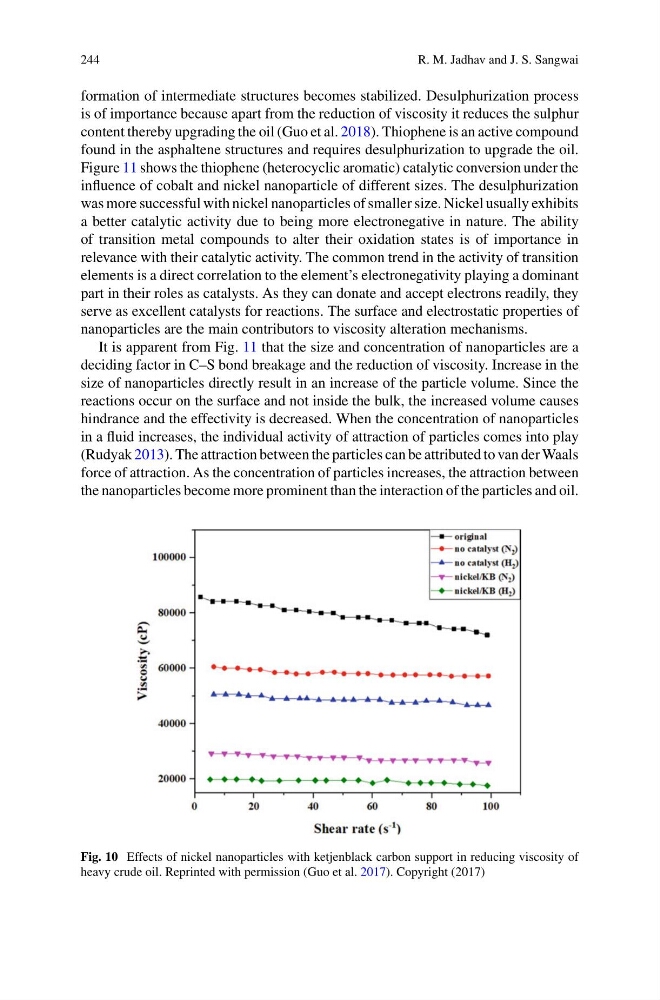
Fig. 10 Effects of nickel nanoparticles with ketjenblack carbon support in reducing viscosity of
heavy crude oil. Reprinted with permission (Guo et al. 2017). Copyright (2017)
R. M. Jadhav and J. S. Sangwai
formation of intermediate structures becomes stabilized. Desulphurization process
is of importance because apart from the reduction of viscosity it reduces the sulphur
content thereby upgrading the oil (Guo et al. 2018). Thiophene is an active compound
found in the asphaltene structures and requires desulphurization to upgrade the oil.
Figure 11 shows the thiophene (heterocyclic aromatic) catalytic conversion under the
influence of cobalt and nickel nanoparticle of different sizes. The desulphurization
was more successful with nickel nanoparticles of smaller size. Nickel usually exhibits
a better catalytic activity due to being more electronegative in nature. The ability
of transition metal compounds to alter their oxidation states is of importance in
relevance with their catalytic activity. The common trend in the activity of transition
elements is a direct correlation to the element’s electronegativity playing a dominant
part in their roles as catalysts. As they can donate and accept electrons readily, they
serve as excellent catalysts for reactions. The surface and electrostatic properties of
nanoparticles are the main contributors to viscosity alteration mechanisms.
It is apparent from Fig. 11 that the size and concentration of nanoparticles are a
deciding factor in C–S bond breakage and the reduction of viscosity. Increase in the
size of nanoparticles directly result in an increase of the particle volume. Since the
reactions occur on the surface and not inside the bulk, the increased volume causes
hindrance and the effectivity is decreased. When the concentration of nanoparticles
in a fluid increases, the individual activity of attraction of particles comes into play
(Rudyak 2013). The attraction between the particles can be attributed to van der Waals
force of attraction. As the concentration of particles increases, the attraction between
the nanoparticles become more prominent than the interaction of the particles and oil.
Fig. 10 Effects of nickel nanoparticles with ketjenblack carbon support in reducing viscosity of
heavy crude oil. Reprinted with permission (Guo et al. 2017). Copyright (2017)