

58
Chapter 5. Modelling asymmetric relationships
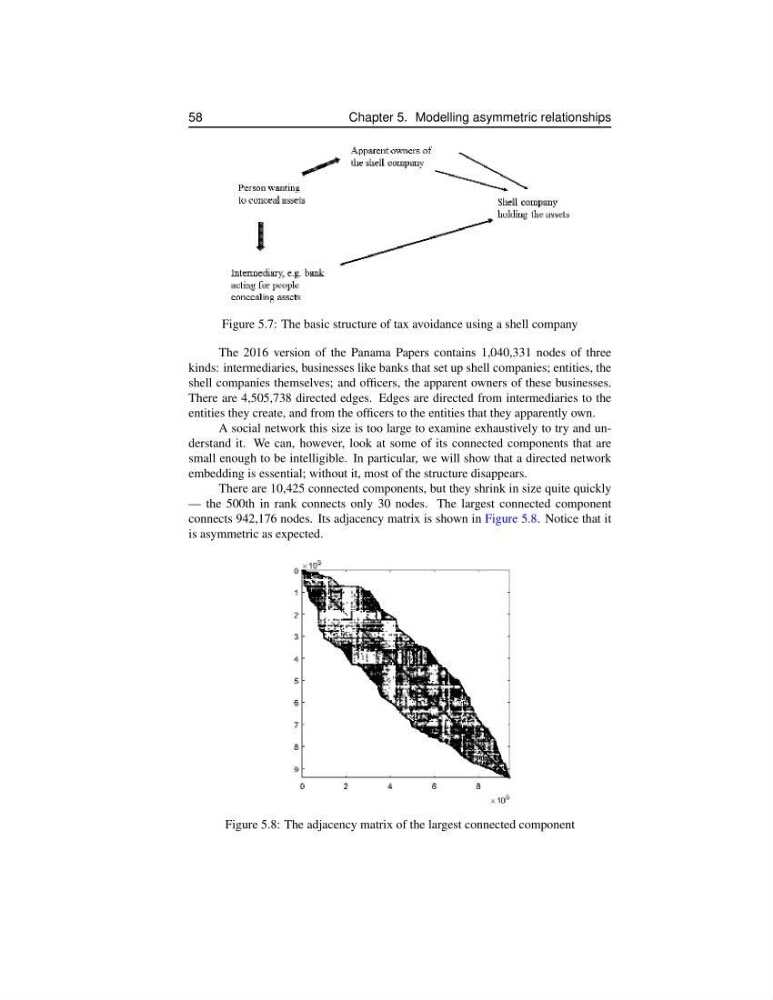
Figure 5.7: The basic structure of tax avoidance using a shell company
The 2016 version of the Panama Papers contains 1,040,331 nodes of three
kinds: intermediaries, businesses like banks that set up shell companies; entities, the
shell companies themselves; and officers, the apparent owners of these businesses.
There are 4,505,738 directed edges. Edges are directed from intermediaries to the
entities they create, and from the officers to the entities that they apparently own.
A social network this size is too large to examine exhaustively to try and understand it. We can, however, look at some of its connected components that are
small enough to be intelligible. In particular, we will show that a directed network
embedding is essential; without it, most of the structure disappears.
There are 10,425 connected components, but they shrink in size quite quickly
— the 500th in rank connects only 30 nodes. The largest connected component
connects 942,176 nodes. Its adjacency matrix is shown in Figure 5.8. Notice that it
is asymmetric as expected.
Figure 5.8: The adjacency matrix of the largest connected component
Chapter 5. Modelling asymmetric relationships
Figure 5.7: The basic structure of tax avoidance using a shell company
The 2016 version of the Panama Papers contains 1,040,331 nodes of three
kinds: intermediaries, businesses like banks that set up shell companies; entities, the
shell companies themselves; and officers, the apparent owners of these businesses.
There are 4,505,738 directed edges. Edges are directed from intermediaries to the
entities they create, and from the officers to the entities that they apparently own.
A social network this size is too large to examine exhaustively to try and understand it. We can, however, look at some of its connected components that are
small enough to be intelligible. In particular, we will show that a directed network
embedding is essential; without it, most of the structure disappears.
There are 10,425 connected components, but they shrink in size quite quickly
— the 500th in rank connects only 30 nodes. The largest connected component
connects 942,176 nodes. Its adjacency matrix is shown in Figure 5.8. Notice that it
is asymmetric as expected.
Figure 5.8: The adjacency matrix of the largest connected component