

146
Chapter 10. Combining directed and signed embeddings
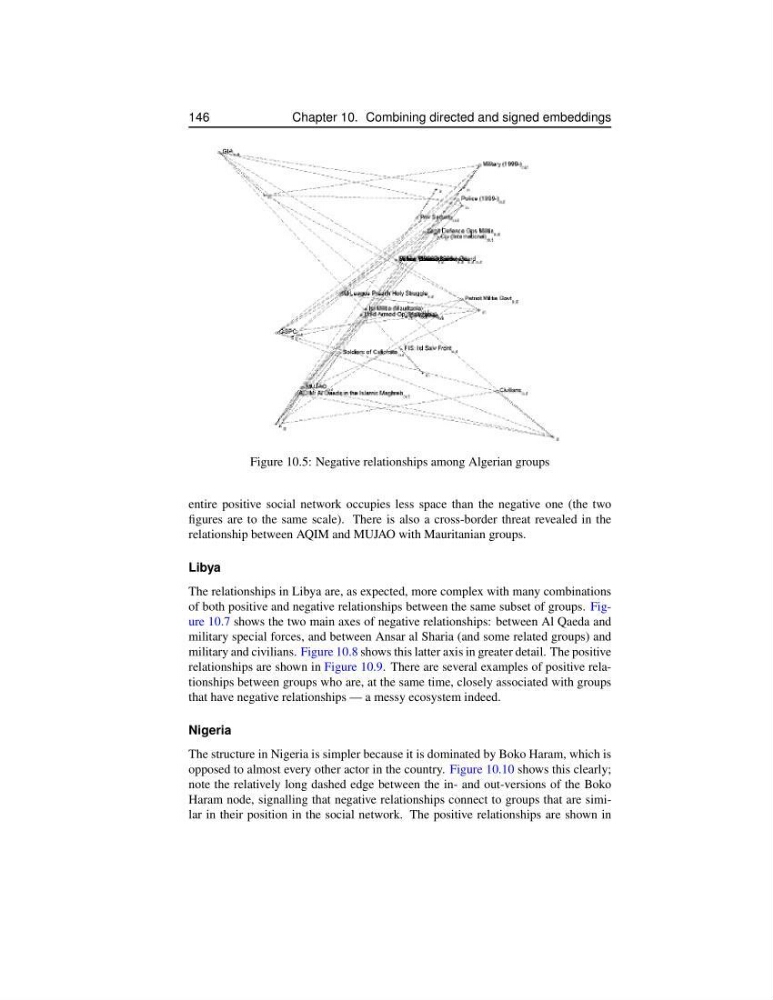
Figure 10.5: Negative relationships among Algerian groups
entire positive social network occupies less space than the negative one (the two
figures are to the same scale). There is also a cross-border threat revealed in the
relationship between AQIM and MUJAO with Mauritanian groups.
Libya
The relationships in Libya are, as expected, more complex with many combinations
of both positive and negative relationships between the same subset of groups. Figure 10.7 shows the two main axes of negative relationships: between Al Qaeda and
military special forces, and between Ansar al Sharia (and some related groups) and
military and civilians. Figure 10.8 shows this latter axis in greater detail. The positive
relationships are shown in Figure 10.9. There are several examples of positive relationships between groups who are, at the same time, closely associated with groups
that have negative relationships — a messy ecosystem indeed.
Nigeria
The structure in Nigeria is simpler because it is dominated by Boko Haram, which is
opposed to almost every other actor in the country. Figure 10.10 shows this clearly;
note the relatively long dashed edge between the in- and out-versions of the Boko
Haram node, signalling that negative relationships connect to groups that are similar in their position in the social network. The positive relationships are shown in
Chapter 10. Combining directed and signed embeddings
Figure 10.5: Negative relationships among Algerian groups
entire positive social network occupies less space than the negative one (the two
figures are to the same scale). There is also a cross-border threat revealed in the
relationship between AQIM and MUJAO with Mauritanian groups.
Libya
The relationships in Libya are, as expected, more complex with many combinations
of both positive and negative relationships between the same subset of groups. Figure 10.7 shows the two main axes of negative relationships: between Al Qaeda and
military special forces, and between Ansar al Sharia (and some related groups) and
military and civilians. Figure 10.8 shows this latter axis in greater detail. The positive
relationships are shown in Figure 10.9. There are several examples of positive relationships between groups who are, at the same time, closely associated with groups
that have negative relationships — a messy ecosystem indeed.
Nigeria
The structure in Nigeria is simpler because it is dominated by Boko Haram, which is
opposed to almost every other actor in the country. Figure 10.10 shows this clearly;
note the relatively long dashed edge between the in- and out-versions of the Boko
Haram node, signalling that negative relationships connect to groups that are similar in their position in the social network. The positive relationships are shown in