

16 Introduction
44°
43°
42°
41°
40°
39°
38°
37°
36°
35°
34°
33°
32°
31°
30°
−94°
− 90°
− 86°
− 82°
− 78°
− 74°
− 70°
8
6
4
2
16
12
8
4
0
Distance (degrees)
F
5
4+ 5
5
7
4 +
4
5
5
4 +
4
4 +
4 +
4 +
4 +
NF
NF
NF
NF
F
4 +
NF
NF NF
NF
3
NF
NF
NF
NF
NF
4 +
4
4
4
3 +
5
5
II
II I
IV
V
V I
300 km
December 16, 1811
M 7.2
5
4
5 +
4+
5
5 +
F
4 +
4 +
5
5
5
5
8
V II
V II I
5
4 +
5
NF
NF
4
7 6
7
6 +
6 +
4 +
6
4
5
5
5
6 +
F
6
7
5
5
6
6 +
6 +
7
5
6 + 6
7 +
7 +
5
7
7
8
7 +
8
8
8
MMI
Table 1.2-4 Modified Mercalli intensity scale.
Intersity Effects
I
Shaking not felt, no damage: not felt except by a very few under especially favorable circumstances.
II
Shaking weak, no damage: felt only by a few persons at rest, especially on upper floors of buildings. Delicately suspended objects
may swing.
III
Felt quite noticeably indoors, especially on upper floors of buildings, but many people do not recognize it as an earthquake.
Standing automobiles may rock slightly. Vibration like passing of truck. Duration estimated.
IV
Shaking light, no damage: during the day felt indoors by many, outdoors by very few. At night some awakened. Dishes, windows,
doors disturbed; walls make creaking sound. Sensation like heavy truck striking building. Standing automobiles rocked noticeably.
(0.015–0.02 g)
V
Shaking moderate, very light damage: felt by nearly everyone, many awakened. Some dishes, windows, and so on broken; cracked
plaster in a few places; unstable objects overturned. Disturbances of trees and poles, and other tall objects sometimes noticed.
Pendulum clocks may stop. (0.03–0.04 g)
VI
Shaking strong, light damage: felt by all, many frightened and run outdoors. Some heavy furniture moved; a few instances of
fallen plaster and damaged chimneys. Damage slight. (0.06–0.07 g)
VII
Shaking very strong, moderate damage: everybody runs outdoors. Damage negligible in buildings of good design and
construction; slight to moderate in well-built ordinary structures; considerable in poorly built or badly designed structures; some
chimneys broken. Noticed by persons driving cars. (0.10–0.15 g)
VIII
Shaking severe, moderate to heavy damage: damage slight in specially designed structures; considerable in ordinary substantial
buildings with partial collapse; great in poorly built structures. Panel walls thrown out of frame structures. Fall of chimneys, factory
stacks, columns, monuments, walls. Heavy furniture overturned. Sand and mud ejected in small amounts. Changes in well water.
Persons driving cars disturbed. (0.25–0.30 g)
IX
Shaking violent, heavy damage: damage considerable in specially designed structures; well-designed frame structures thrown out
of plumb; great in substantial buildings, with partial collapse. Buildings shifted off foundations. Ground cracked conspicuously.
Underground pipes broken. (0.50–0.55 g)
X
Shaking extreme, very heavy damage: some well-built wooden structures destroyed; most masonry and frame structures destroyed
with foundations; ground badly cracked. Rails bent. Landslides considerable from river banks and steep slopes. Shifted sand and
mud. Water splashed, slopped over banks. (More than 0.60 g)
XI
Few, if any, (masonry) structures remain standing. Bridges destroyed. Broad fissures in ground. Underground pipelines completely
out of service. Earth slumps and land slips in soft ground. Rails bent greatly.
XII
Damage total. Waves seen on ground surfaces. Lines of sight and level destroyed. Objects thrown into the air.
Note: Parentheses show the average peak acceleration in terms of g (9.8 m/s), taken from Bolt (1999).
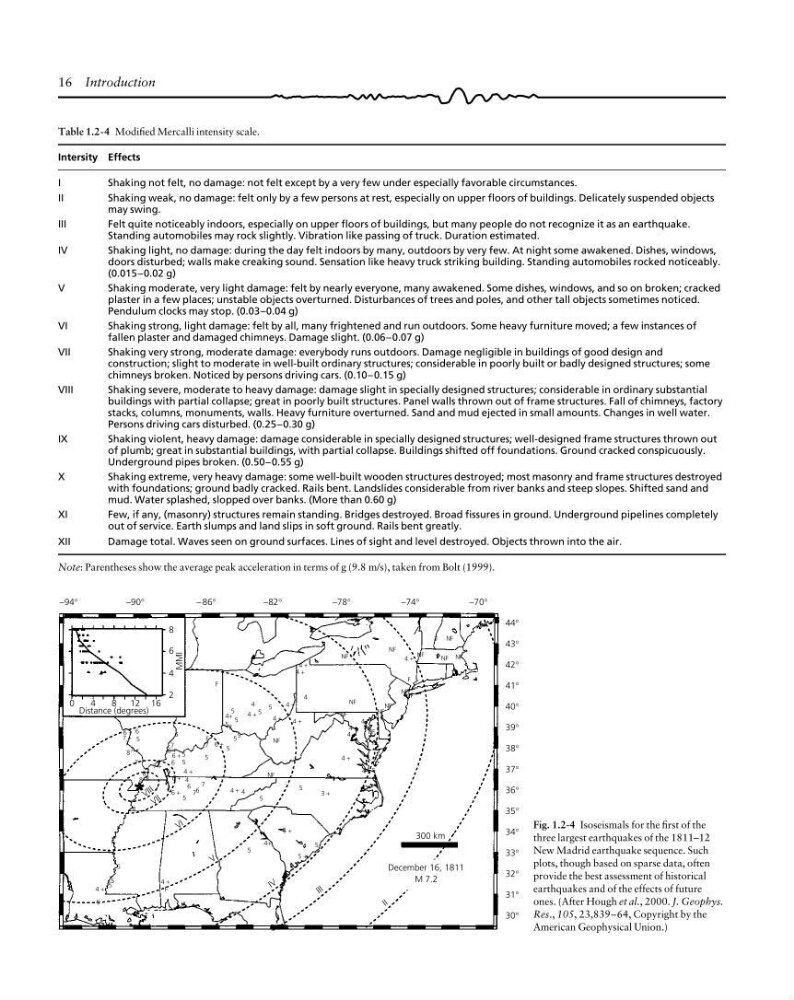
Fig. 1.2-4 Isoseismals for the first of the
three largest earthquakes of the 1811–12
New Madrid earthquake sequence. Such
plots, though based on sparse data, often
provide the best assessment of historical
earthquakes and of the effects of future
ones. (After Hough et al., 2000. J. Geophys.
Res., 105, 23,839–64, Copyright by the
American Geophysical Union.)
44°
43°
42°
41°
40°
39°
38°
37°
36°
35°
34°
33°
32°
31°
30°
−94°
− 90°
− 86°
− 82°
− 78°
− 74°
− 70°
8
6
4
2
16
12
8
4
0
Distance (degrees)
F
5
4+ 5
5
7
4 +
4
5
5
4 +
4
4 +
4 +
4 +
4 +
NF
NF
NF
NF
F
4 +
NF
NF NF
NF
3
NF
NF
NF
NF
NF
4 +
4
4
4
3 +
5
5
II
II I
IV
V
V I
300 km
December 16, 1811
M 7.2
5
4
5 +
4+
5
5 +
F
4 +
4 +
5
5
5
5
8
V II
V II I
5
4 +
5
NF
NF
4
7 6
7
6 +
6 +
4 +
6
4
5
5
5
6 +
F
6
7
5
5
6
6 +
6 +
7
5
6 + 6
7 +
7 +
5
7
7
8
7 +
8
8
8
MMI
Table 1.2-4 Modified Mercalli intensity scale.
Intersity Effects
I
Shaking not felt, no damage: not felt except by a very few under especially favorable circumstances.
II
Shaking weak, no damage: felt only by a few persons at rest, especially on upper floors of buildings. Delicately suspended objects
may swing.
III
Felt quite noticeably indoors, especially on upper floors of buildings, but many people do not recognize it as an earthquake.
Standing automobiles may rock slightly. Vibration like passing of truck. Duration estimated.
IV
Shaking light, no damage: during the day felt indoors by many, outdoors by very few. At night some awakened. Dishes, windows,
doors disturbed; walls make creaking sound. Sensation like heavy truck striking building. Standing automobiles rocked noticeably.
(0.015–0.02 g)
V
Shaking moderate, very light damage: felt by nearly everyone, many awakened. Some dishes, windows, and so on broken; cracked
plaster in a few places; unstable objects overturned. Disturbances of trees and poles, and other tall objects sometimes noticed.
Pendulum clocks may stop. (0.03–0.04 g)
VI
Shaking strong, light damage: felt by all, many frightened and run outdoors. Some heavy furniture moved; a few instances of
fallen plaster and damaged chimneys. Damage slight. (0.06–0.07 g)
VII
Shaking very strong, moderate damage: everybody runs outdoors. Damage negligible in buildings of good design and
construction; slight to moderate in well-built ordinary structures; considerable in poorly built or badly designed structures; some
chimneys broken. Noticed by persons driving cars. (0.10–0.15 g)
VIII
Shaking severe, moderate to heavy damage: damage slight in specially designed structures; considerable in ordinary substantial
buildings with partial collapse; great in poorly built structures. Panel walls thrown out of frame structures. Fall of chimneys, factory
stacks, columns, monuments, walls. Heavy furniture overturned. Sand and mud ejected in small amounts. Changes in well water.
Persons driving cars disturbed. (0.25–0.30 g)
IX
Shaking violent, heavy damage: damage considerable in specially designed structures; well-designed frame structures thrown out
of plumb; great in substantial buildings, with partial collapse. Buildings shifted off foundations. Ground cracked conspicuously.
Underground pipes broken. (0.50–0.55 g)
X
Shaking extreme, very heavy damage: some well-built wooden structures destroyed; most masonry and frame structures destroyed
with foundations; ground badly cracked. Rails bent. Landslides considerable from river banks and steep slopes. Shifted sand and
mud. Water splashed, slopped over banks. (More than 0.60 g)
XI
Few, if any, (masonry) structures remain standing. Bridges destroyed. Broad fissures in ground. Underground pipelines completely
out of service. Earth slumps and land slips in soft ground. Rails bent greatly.
XII
Damage total. Waves seen on ground surfaces. Lines of sight and level destroyed. Objects thrown into the air.
Note: Parentheses show the average peak acceleration in terms of g (9.8 m/s), taken from Bolt (1999).
Fig. 1.2-4 Isoseismals for the first of the
three largest earthquakes of the 1811–12
New Madrid earthquake sequence. Such
plots, though based on sparse data, often
provide the best assessment of historical
earthquakes and of the effects of future
ones. (After Hough et al., 2000. J. Geophys.
Res., 105, 23,839–64, Copyright by the
American Geophysical Union.)