

a lesser role relative to a chemical boundary layer. If the contrast is large, perhaps 1500°C, plume generation should be
more significant, and it would be harder to maintain a distinct
chemical layer.
3.8.5 Composition of the core
Interesting issues about the core also remain unresolved. The
density and bulk sound speed data (Fig. 3.8-7) suggest that the
core has a composition similar to that of iron, but with a less
dense element of lower atomic number added. Other arguments for an iron core are from cosmochemistry. Meteorites
are roughly divided into stony meteorites, resembling the
mantle, and iron meteorites, composed of an iron–nickel alloy,
which are thought to be similar to the core. 10 Convection of
molten iron is also considered the only suitable mechanism for
generating the earth’s magnetic field. The light element lowering the core density is unknown: candidates include sulphur,
silicon, oxygen, potassium, and hydrogen. Laboratory experiments suggest that 10–15% of a light element would yield an
acceptable density.
It may seem surprising that the inner core is solid, because it
should be at a higher temperature than the liquid outer core.
Thus the effects of pressure favoring the denser solid phase must
exceed those of temperature. From the ICB to the center of the
earth, temperature is thought to increase by only 100–200°C,
or about 3% of the inner core temperatures, which are about
5000°C. Pressure, however, is thought to increase about 11%,
from about 329 GPa at the ICB to 364 GPa at earth’s center
(Fig. 3.8-5). The density inferred from the seismological data is
consistent with that for solid iron expected from experiments
and modeling.
This situation requires that the inner core geotherm be at
temperatures below the melting temperature curve (solidus),
whereas the outer core geotherm must be above the solidus.
10 Iron meteorites — and thus presumably the solid inner core — are like steel,
recalling legends in which swords forged from meteorites are very strong and have
magical powers.
3.8 Composition of the mantle and core 209
Isochemical core
Mantle
Depth
Temperature
Outer
core
Inner
core
Solid
Liquid
Solid
S o li d u s
G eo th er m
Different inner core/outer core compositions
Mantle
Depth
Temperature
Outer
core
Inner
core
Solid
Liquid
Solid
So lid us
G e o th e rm
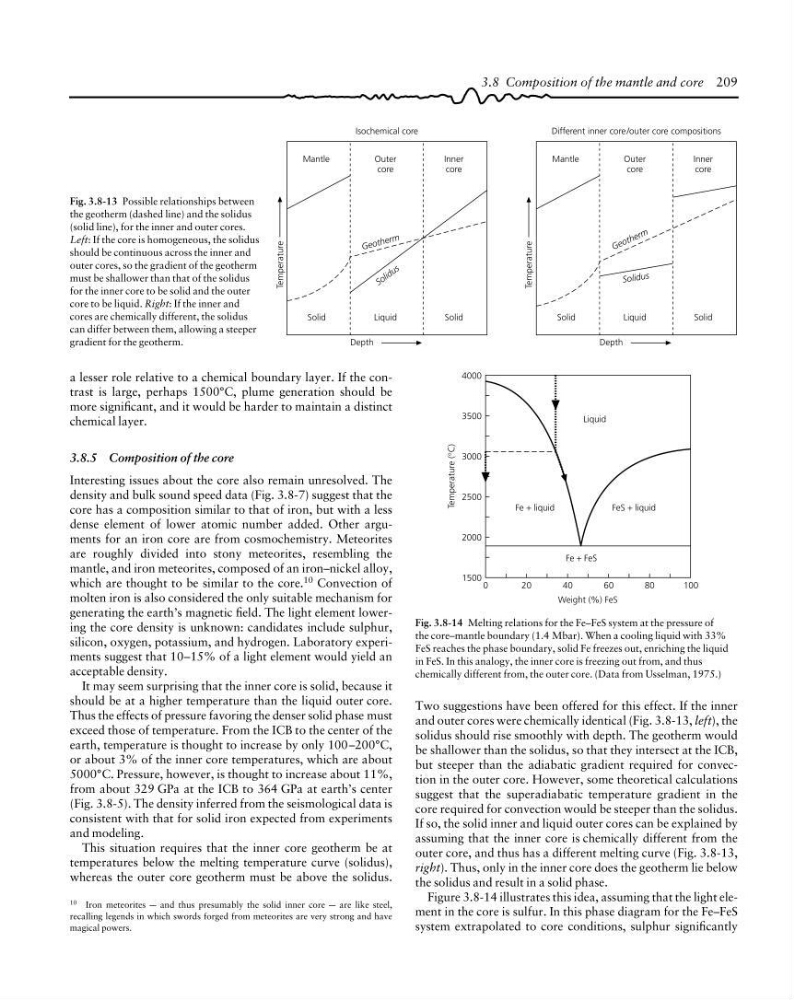
Fig. 3.8-13 Possible relationships between
the geotherm (dashed line) and the solidus
(solid line), for the inner and outer cores.
Left: If the core is homogeneous, the solidus
should be continuous across the inner and
outer cores, so the gradient of the geotherm
must be shallower than that of the solidus
for the inner core to be solid and the outer
core to be liquid. Right: If the inner and
cores are chemically different, the solidus
can differ between them, allowing a steeper
gradient for the geotherm.
4000
3500
3000
2500
2000
1500
Temperature (°C)
0
2 0
4 0
6 0
8 0
1 0 0
Liquid
FeS + liquid
Fe + liquid
Fe + FeS
Weight (%) FeS
Fig. 3.8-14 Melting relations for the Fe–FeS system at the pressure of
the core–mantle boundary (1.4 Mbar). When a cooling liquid with 33%
FeS reaches the phase boundary, solid Fe freezes out, enriching the liquid
in FeS. In this analogy, the inner core is freezing out from, and thus
chemically different from, the outer core. (Data from Usselman, 1975.)
Two suggestions have been offered for this effect. If the inner
and outer cores were chemically identical (Fig. 3.8-13, left), the
solidus should rise smoothly with depth. The geotherm would
be shallower than the solidus, so that they intersect at the ICB,
but steeper than the adiabatic gradient required for convection in the outer core. However, some theoretical calculations
suggest that the superadiabatic temperature gradient in the
core required for convection would be steeper than the solidus.
If so, the solid inner and liquid outer cores can be explained by
assuming that the inner core is chemically different from the
outer core, and thus has a different melting curve (Fig. 3.8-13,
right). Thus, only in the inner core does the geotherm lie below
the solidus and result in a solid phase.
Figure 3.8-14 illustrates this idea, assuming that the light element in the core is sulfur. In this phase diagram for the Fe–FeS
system extrapolated to core conditions, sulphur significantly
more significant, and it would be harder to maintain a distinct
chemical layer.
3.8.5 Composition of the core
Interesting issues about the core also remain unresolved. The
density and bulk sound speed data (Fig. 3.8-7) suggest that the
core has a composition similar to that of iron, but with a less
dense element of lower atomic number added. Other arguments for an iron core are from cosmochemistry. Meteorites
are roughly divided into stony meteorites, resembling the
mantle, and iron meteorites, composed of an iron–nickel alloy,
which are thought to be similar to the core. 10 Convection of
molten iron is also considered the only suitable mechanism for
generating the earth’s magnetic field. The light element lowering the core density is unknown: candidates include sulphur,
silicon, oxygen, potassium, and hydrogen. Laboratory experiments suggest that 10–15% of a light element would yield an
acceptable density.
It may seem surprising that the inner core is solid, because it
should be at a higher temperature than the liquid outer core.
Thus the effects of pressure favoring the denser solid phase must
exceed those of temperature. From the ICB to the center of the
earth, temperature is thought to increase by only 100–200°C,
or about 3% of the inner core temperatures, which are about
5000°C. Pressure, however, is thought to increase about 11%,
from about 329 GPa at the ICB to 364 GPa at earth’s center
(Fig. 3.8-5). The density inferred from the seismological data is
consistent with that for solid iron expected from experiments
and modeling.
This situation requires that the inner core geotherm be at
temperatures below the melting temperature curve (solidus),
whereas the outer core geotherm must be above the solidus.
10 Iron meteorites — and thus presumably the solid inner core — are like steel,
recalling legends in which swords forged from meteorites are very strong and have
magical powers.
3.8 Composition of the mantle and core 209
Isochemical core
Mantle
Depth
Temperature
Outer
core
Inner
core
Solid
Liquid
Solid
S o li d u s
G eo th er m
Different inner core/outer core compositions
Mantle
Depth
Temperature
Outer
core
Inner
core
Solid
Liquid
Solid
So lid us
G e o th e rm
Fig. 3.8-13 Possible relationships between
the geotherm (dashed line) and the solidus
(solid line), for the inner and outer cores.
Left: If the core is homogeneous, the solidus
should be continuous across the inner and
outer cores, so the gradient of the geotherm
must be shallower than that of the solidus
for the inner core to be solid and the outer
core to be liquid. Right: If the inner and
cores are chemically different, the solidus
can differ between them, allowing a steeper
gradient for the geotherm.
4000
3500
3000
2500
2000
1500
Temperature (°C)
0
2 0
4 0
6 0
8 0
1 0 0
Liquid
FeS + liquid
Fe + liquid
Fe + FeS
Weight (%) FeS
Fig. 3.8-14 Melting relations for the Fe–FeS system at the pressure of
the core–mantle boundary (1.4 Mbar). When a cooling liquid with 33%
FeS reaches the phase boundary, solid Fe freezes out, enriching the liquid
in FeS. In this analogy, the inner core is freezing out from, and thus
chemically different from, the outer core. (Data from Usselman, 1975.)
Two suggestions have been offered for this effect. If the inner
and outer cores were chemically identical (Fig. 3.8-13, left), the
solidus should rise smoothly with depth. The geotherm would
be shallower than the solidus, so that they intersect at the ICB,
but steeper than the adiabatic gradient required for convection in the outer core. However, some theoretical calculations
suggest that the superadiabatic temperature gradient in the
core required for convection would be steeper than the solidus.
If so, the solid inner and liquid outer cores can be explained by
assuming that the inner core is chemically different from the
outer core, and thus has a different melting curve (Fig. 3.8-13,
right). Thus, only in the inner core does the geotherm lie below
the solidus and result in a solid phase.
Figure 3.8-14 illustrates this idea, assuming that the light element in the core is sulfur. In this phase diagram for the Fe–FeS
system extrapolated to core conditions, sulphur significantly