

As we have seen, some of the behavior of diffracted waves
can be derived either using a Huygens’ source scattering representation (Section 2.5.10) or by using ray paths in a medium
with variable velocity, as for the head wave (Section 3.2.1) or
core diffraction (Section 3.5.2). These ray paths were not truly
geometric, in that energy was required to follow paths that
did not obey Snell’s law. The distinction between ray theory
and diffraction depends on wavelength, as discussed in Section
2.5.10, so waves diffracted around the core are depleted in the
higher frequencies. 4
Scattering can be viewed in different ways. In some situations we view the scattering as deterministic, and try to image
distinct scatterers. For example, migration methods in reflection seismology (Section 3.3.7) seek to undo the effects of scattering and produce a clearer image of the subsurface. In other
situations, we view the medium as containing many scatterers
and consider their effects on the wave field statistically. This
approach is taken to the scattering of PKP waves (Fig. 3.5-8),
with a wavelength of about 10 km, by lower mantle heterogeneities of about that size.
Scattering is especially important in the continental crust,
which has many small layers and reflectors resulting from
billions of years of continental evolution. Although these
structures do not significantly affect waves with wavelengths
longer than tens of km, for shorter-wavelength waves they can
act as point scatterers or Huygens’ sources. Hence some of the
scattered energy arrives at a receiver after the initial pulse
that obeyed Fermat’s principle and took the shortest path.
This scattered energy causes an arrival to have a coda, a tail of
incoherent energy that decays over a duration of seconds or
minutes. The main arrival has a polarity related to the direction
of propagation that can be observed on a three-component
seismometer by forming particle motion plots (Fig. 2.7-6). By
contrast, the scattered energy arrives from various directions
and thus shows little or no preferred particle motion.
Figure 3.7-9 demonstrates the scattering for a seismic arrival.
The unscattered wave travels the shortest distance and gives the
initial arrival (left). Scattered energy lost from this arrival that
instead arrives later could have been scattered from an infinite
number of locations that would yield the observed travel time.
In a constant-velocity medium, the locus of these possible scatterers forms an ellipsoid with the source and the receiver as
foci (center). Larger ellipsoids define the possible scatterers for
energy that arrives later (right). These ellipsoids are distorted
by velocity heterogeneity and are analogous to the Fresnel
volume used when we consider the waves as following distinct
ray paths.
Scattering is especially noticeable on the moon. Figure 3.7-10
contrasts seismic records of an earthquake and the impact of
a rocket on the moon. Most of the earthquake’s energy arrives
in the main P- and S-wave arrivals. By contrast, on the moon
3.7 Attenuation and anelasticity 189
Equivalent homogeneous body
1
Scattering
Multipathing
R a y t h e o r y
D if f r a c t io n t h e o r y
H o m
o g e n e o u s
2π a/λ
10
100
1000
10 000
0.01
0.1
1
10
100
1000
a
=
L
2πL /λ
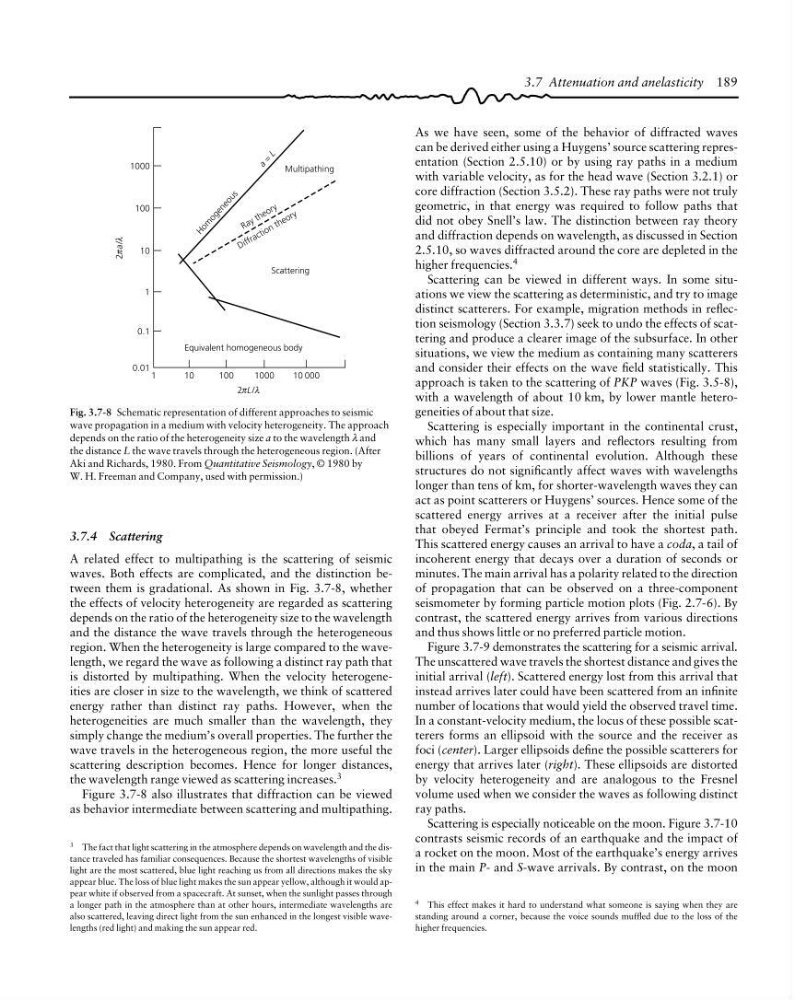
Fig. 3.7-8 Schematic representation of different approaches to seismic
wave propagation in a medium with velocity heterogeneity. The approach
depends on the ratio of the heterogeneity size a to the wavelength λ and
the distance L the wave travels through the heterogeneous region. (After
Aki and Richards, 1980. From Quantitative Seismology, © 1980 by
W. H. Freeman and Company, used with permission.)
3.7.4 Scattering
A related effect to multipathing is the scattering of seismic
waves. Both effects are complicated, and the distinction between them is gradational. As shown in Fig. 3.7-8, whether
the effects of velocity heterogeneity are regarded as scattering
depends on the ratio of the heterogeneity size to the wavelength
and the distance the wave travels through the heterogeneous
region. When the heterogeneity is large compared to the wavelength, we regard the wave as following a distinct ray path that
is distorted by multipathing. When the velocity heterogeneities are closer in size to the wavelength, we think of scattered
energy rather than distinct ray paths. However, when the
heterogeneities are much smaller than the wavelength, they
simply change the medium’s overall properties. The further the
wave travels in the heterogeneous region, the more useful the
scattering description becomes. Hence for longer distances,
the wavelength range viewed as scattering increases. 3
Figure 3.7-8 also illustrates that diffraction can be viewed
as behavior intermediate between scattering and multipathing.
3 The fact that light scattering in the atmosphere depends on wavelength and the distance traveled has familiar consequences. Because the shortest wavelengths of visible
light are the most scattered, blue light reaching us from all directions makes the sky
appear blue. The loss of blue light makes the sun appear yellow, although it would appear white if observed from a spacecraft. At sunset, when the sunlight passes through
a longer path in the atmosphere than at other hours, intermediate wavelengths are
also scattered, leaving direct light from the sun enhanced in the longest visible wavelengths (red light) and making the sun appear red.
4 This effect makes it hard to understand what someone is saying when they are
standing around a corner, because the voice sounds muffled due to the loss of the
higher frequencies.
can be derived either using a Huygens’ source scattering representation (Section 2.5.10) or by using ray paths in a medium
with variable velocity, as for the head wave (Section 3.2.1) or
core diffraction (Section 3.5.2). These ray paths were not truly
geometric, in that energy was required to follow paths that
did not obey Snell’s law. The distinction between ray theory
and diffraction depends on wavelength, as discussed in Section
2.5.10, so waves diffracted around the core are depleted in the
higher frequencies. 4
Scattering can be viewed in different ways. In some situations we view the scattering as deterministic, and try to image
distinct scatterers. For example, migration methods in reflection seismology (Section 3.3.7) seek to undo the effects of scattering and produce a clearer image of the subsurface. In other
situations, we view the medium as containing many scatterers
and consider their effects on the wave field statistically. This
approach is taken to the scattering of PKP waves (Fig. 3.5-8),
with a wavelength of about 10 km, by lower mantle heterogeneities of about that size.
Scattering is especially important in the continental crust,
which has many small layers and reflectors resulting from
billions of years of continental evolution. Although these
structures do not significantly affect waves with wavelengths
longer than tens of km, for shorter-wavelength waves they can
act as point scatterers or Huygens’ sources. Hence some of the
scattered energy arrives at a receiver after the initial pulse
that obeyed Fermat’s principle and took the shortest path.
This scattered energy causes an arrival to have a coda, a tail of
incoherent energy that decays over a duration of seconds or
minutes. The main arrival has a polarity related to the direction
of propagation that can be observed on a three-component
seismometer by forming particle motion plots (Fig. 2.7-6). By
contrast, the scattered energy arrives from various directions
and thus shows little or no preferred particle motion.
Figure 3.7-9 demonstrates the scattering for a seismic arrival.
The unscattered wave travels the shortest distance and gives the
initial arrival (left). Scattered energy lost from this arrival that
instead arrives later could have been scattered from an infinite
number of locations that would yield the observed travel time.
In a constant-velocity medium, the locus of these possible scatterers forms an ellipsoid with the source and the receiver as
foci (center). Larger ellipsoids define the possible scatterers for
energy that arrives later (right). These ellipsoids are distorted
by velocity heterogeneity and are analogous to the Fresnel
volume used when we consider the waves as following distinct
ray paths.
Scattering is especially noticeable on the moon. Figure 3.7-10
contrasts seismic records of an earthquake and the impact of
a rocket on the moon. Most of the earthquake’s energy arrives
in the main P- and S-wave arrivals. By contrast, on the moon
3.7 Attenuation and anelasticity 189
Equivalent homogeneous body
1
Scattering
Multipathing
R a y t h e o r y
D if f r a c t io n t h e o r y
H o m
o g e n e o u s
2π a/λ
10
100
1000
10 000
0.01
0.1
1
10
100
1000
a
=
L
2πL /λ
Fig. 3.7-8 Schematic representation of different approaches to seismic
wave propagation in a medium with velocity heterogeneity. The approach
depends on the ratio of the heterogeneity size a to the wavelength λ and
the distance L the wave travels through the heterogeneous region. (After
Aki and Richards, 1980. From Quantitative Seismology, © 1980 by
W. H. Freeman and Company, used with permission.)
3.7.4 Scattering
A related effect to multipathing is the scattering of seismic
waves. Both effects are complicated, and the distinction between them is gradational. As shown in Fig. 3.7-8, whether
the effects of velocity heterogeneity are regarded as scattering
depends on the ratio of the heterogeneity size to the wavelength
and the distance the wave travels through the heterogeneous
region. When the heterogeneity is large compared to the wavelength, we regard the wave as following a distinct ray path that
is distorted by multipathing. When the velocity heterogeneities are closer in size to the wavelength, we think of scattered
energy rather than distinct ray paths. However, when the
heterogeneities are much smaller than the wavelength, they
simply change the medium’s overall properties. The further the
wave travels in the heterogeneous region, the more useful the
scattering description becomes. Hence for longer distances,
the wavelength range viewed as scattering increases. 3
Figure 3.7-8 also illustrates that diffraction can be viewed
as behavior intermediate between scattering and multipathing.
3 The fact that light scattering in the atmosphere depends on wavelength and the distance traveled has familiar consequences. Because the shortest wavelengths of visible
light are the most scattered, blue light reaching us from all directions makes the sky
appear blue. The loss of blue light makes the sun appear yellow, although it would appear white if observed from a spacecraft. At sunset, when the sunlight passes through
a longer path in the atmosphere than at other hours, intermediate wavelengths are
also scattered, leaving direct light from the sun enhanced in the longest visible wavelengths (red light) and making the sun appear red.
4 This effect makes it hard to understand what someone is saying when they are
standing around a corner, because the voice sounds muffled due to the loss of the
higher frequencies.