

Generally, the plant omics approach is used to realize the molecular and genetic
base of all biological practices in plants that are important for both abiotic and biotic
conditions including plant nutrient deficiency environment. This allows effective
manipulation of plants in the release of new improved cultivars with better quality in
a short period (Vassilev et al. 2005). Genomics also allows investigating several
genes within the same time (Struik et al. 2007) and minimizes the gap among
genotype and phenotype (Campos-de Quiroz 2002). For designed breeding approach
omics particularly transcriptomics played a great role never before in order to select
the best genotypes from the breeding population. With genomic approaches, markerassisted selection slowly changed into genomics-assisted breeding (Varshney et al.
2005). Genomics study has also effectively identified numerous metabolic pathways
as well as provided genes or direct markers for agronomically important traits. These
identified genes beside marker application are used as bases for genetic engineering.
The ability to understand genomics is useable for the developments of new plant
investigative tools, which minimize chemicals application in disease control as well
as soil fertility improvement.
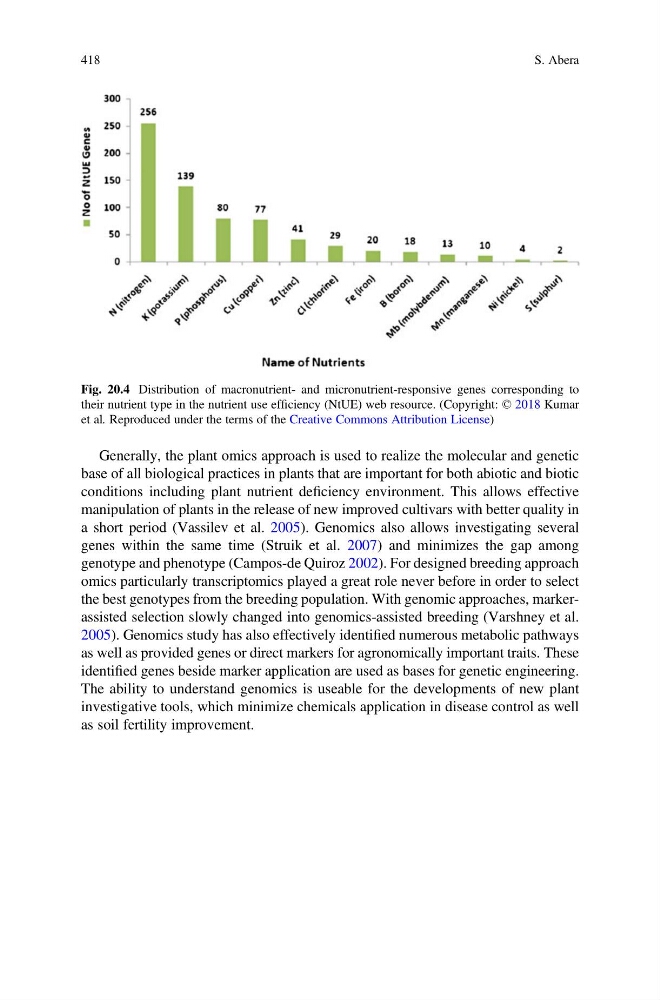
Fig. 20.4 Distribution of macronutrient- and micronutrient-responsive genes corresponding to
their nutrient type in the nutrient use efficiency (NtUE) web resource. (Copyright: © 2018 Kumar
et al. Reproduced under the terms of the Creative Commons Attribution License)
418
S. Abera
base of all biological practices in plants that are important for both abiotic and biotic
conditions including plant nutrient deficiency environment. This allows effective
manipulation of plants in the release of new improved cultivars with better quality in
a short period (Vassilev et al. 2005). Genomics also allows investigating several
genes within the same time (Struik et al. 2007) and minimizes the gap among
genotype and phenotype (Campos-de Quiroz 2002). For designed breeding approach
omics particularly transcriptomics played a great role never before in order to select
the best genotypes from the breeding population. With genomic approaches, markerassisted selection slowly changed into genomics-assisted breeding (Varshney et al.
2005). Genomics study has also effectively identified numerous metabolic pathways
as well as provided genes or direct markers for agronomically important traits. These
identified genes beside marker application are used as bases for genetic engineering.
The ability to understand genomics is useable for the developments of new plant
investigative tools, which minimize chemicals application in disease control as well
as soil fertility improvement.
Fig. 20.4 Distribution of macronutrient- and micronutrient-responsive genes corresponding to
their nutrient type in the nutrient use efficiency (NtUE) web resource. (Copyright: © 2018 Kumar
et al. Reproduced under the terms of the Creative Commons Attribution License)
418
S. Abera