

(c) increase redox and energy generation; and (d) recruiting heterologous genes to
give new characteristics (Shimizu 2002; Megharaj et al. 2011). Various genetic
approaches have been developed and used to optimize the enzymes, metabolic
pathways, and organisms relevant for biodegradation (Pieper and Reineke 2000).
New information on metabolic pathways and degradation bottlenecks are still
accumulating, and the available molecular toolbox needs to be strengthened. However, even in a single modified organism, the introduced gene or enzyme needs to be
integrated into the regulatory and metabolic network to be correctly expressed
(Shimizu 2002; Pieper and Reineke 2000; Cases and de Lorenzo 2005). Genetically
modified microorganisms have demonstrated the detoxification of organophosphate
pesticides for the first time, and they have been cloned and expressed the gene
encoding hydrolase in P. pseudoalcaligenes, Yarrowia lipolytica, Escherichia
coli, Streptomyces lividans, and Pichia pastoris (Wu et al. 2004; Fu et al. 2004; Yu
et al. 2009; Shen et al. 2010; Wang et al. 2012).
7.2 Metagenomics Approaches for Biodegradation
of Pesticides
The complexity of microbial diversity depends on various interacting parameters,
including pH, moisture, soil structure, climate change, and biological activity (Liu
et al. 2019a, b). More than 99% of the microorganisms in the natural environment
are difficult to cultivate under laboratory conditions, so they are not friendly to basic
research and biotechnological applications (Zhou et al. 2010). In the past two
decades, the development of technologies, capable of directly isolating nucleic
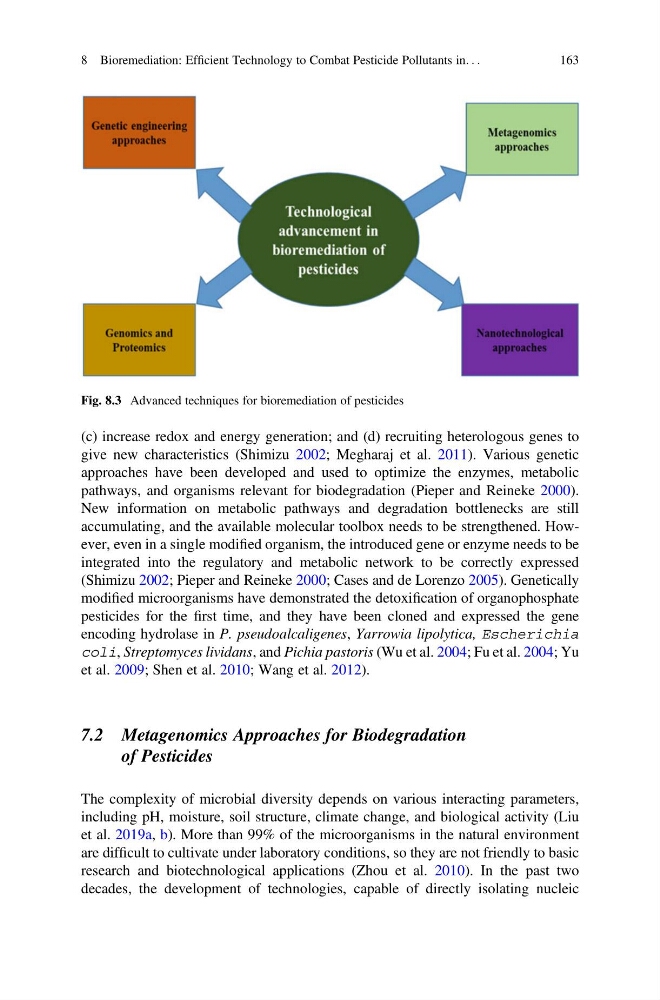
Fig. 8.3 Advanced techniques for bioremediation of pesticides
8 Bioremediation: Efficient Technology to Combat Pesticide Pollutants in. . .
163
give new characteristics (Shimizu 2002; Megharaj et al. 2011). Various genetic
approaches have been developed and used to optimize the enzymes, metabolic
pathways, and organisms relevant for biodegradation (Pieper and Reineke 2000).
New information on metabolic pathways and degradation bottlenecks are still
accumulating, and the available molecular toolbox needs to be strengthened. However, even in a single modified organism, the introduced gene or enzyme needs to be
integrated into the regulatory and metabolic network to be correctly expressed
(Shimizu 2002; Pieper and Reineke 2000; Cases and de Lorenzo 2005). Genetically
modified microorganisms have demonstrated the detoxification of organophosphate
pesticides for the first time, and they have been cloned and expressed the gene
encoding hydrolase in P. pseudoalcaligenes, Yarrowia lipolytica, Escherichia
coli, Streptomyces lividans, and Pichia pastoris (Wu et al. 2004; Fu et al. 2004; Yu
et al. 2009; Shen et al. 2010; Wang et al. 2012).
7.2 Metagenomics Approaches for Biodegradation
of Pesticides
The complexity of microbial diversity depends on various interacting parameters,
including pH, moisture, soil structure, climate change, and biological activity (Liu
et al. 2019a, b). More than 99% of the microorganisms in the natural environment
are difficult to cultivate under laboratory conditions, so they are not friendly to basic
research and biotechnological applications (Zhou et al. 2010). In the past two
decades, the development of technologies, capable of directly isolating nucleic
Fig. 8.3 Advanced techniques for bioremediation of pesticides
8 Bioremediation: Efficient Technology to Combat Pesticide Pollutants in. . .
163