

abundantly used. Nowadays, several reports particularly on modified polymers, such
as cellulose nanofibrils and nanocrystals, showed 212.7 mgg
À1 of malachite green
(Jiang et al. 2017) and 106 mgg
À1 of methylene blue dye adsorption capacity
(Nekouei et al. 2017).
2.4 Raw and Drinking Water Treatment
One of the main and important application of exopolysaccharides (EPSs) is
producing bacterial isolates in wastewater treatment. This treatment process may
Table 7.1 Functionality of natural polymers and its properties
Sl.
No.
Natural
polymers
Functional group
involved
Properties
1
Chitosan
Amino groups,
hydroxyl groups
Biocompatible, galvanized tissues, antitumor
2
Cellulose
Hydroxyl groups
Biodegradable, abundant
3
Alginate
Carboxylate side groups Degradable, biocompatible
4
Peptide
Carbonyl groups
Oxidative, brief half-life, least toxic
5
Starch
Ether groups, hydroxyl
groups
Biodegradable, economical, versatile
6
Chitin
Amino functionality,
hydroxyl functionalities
Biodegradation, biocompatibility
7
Collagen
Hydrophilic and/or
hydrophobic amino
acids
Biocompatible, hydrophilicity, permeability
8
β-cyclodextrin Ether groups, hydroxyl
groups
Not toxic, biodegradable, biocompatible,
hydrophobic interior, and hydrophilic exterior
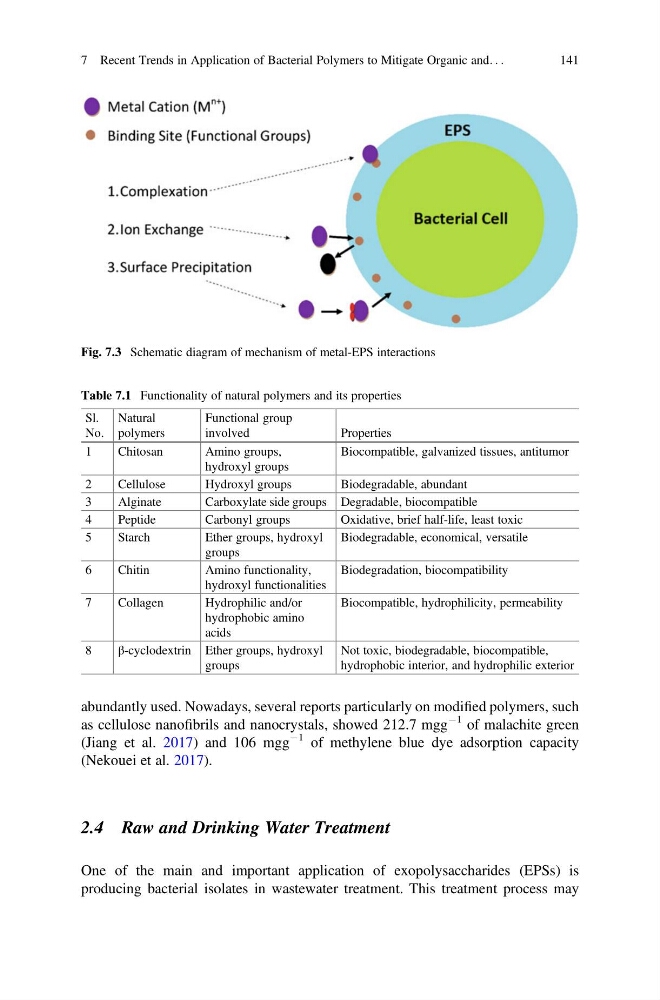
Fig. 7.3 Schematic diagram of mechanism of metal-EPS interactions
7 Recent Trends in Application of Bacterial Polymers to Mitigate Organic and. . .
141
as cellulose nanofibrils and nanocrystals, showed 212.7 mgg
À1 of malachite green
(Jiang et al. 2017) and 106 mgg
À1 of methylene blue dye adsorption capacity
(Nekouei et al. 2017).
2.4 Raw and Drinking Water Treatment
One of the main and important application of exopolysaccharides (EPSs) is
producing bacterial isolates in wastewater treatment. This treatment process may
Table 7.1 Functionality of natural polymers and its properties
Sl.
No.
Natural
polymers
Functional group
involved
Properties
1
Chitosan
Amino groups,
hydroxyl groups
Biocompatible, galvanized tissues, antitumor
2
Cellulose
Hydroxyl groups
Biodegradable, abundant
3
Alginate
Carboxylate side groups Degradable, biocompatible
4
Peptide
Carbonyl groups
Oxidative, brief half-life, least toxic
5
Starch
Ether groups, hydroxyl
groups
Biodegradable, economical, versatile
6
Chitin
Amino functionality,
hydroxyl functionalities
Biodegradation, biocompatibility
7
Collagen
Hydrophilic and/or
hydrophobic amino
acids
Biocompatible, hydrophilicity, permeability
8
β-cyclodextrin Ether groups, hydroxyl
groups
Not toxic, biodegradable, biocompatible,
hydrophobic interior, and hydrophilic exterior
Fig. 7.3 Schematic diagram of mechanism of metal-EPS interactions
7 Recent Trends in Application of Bacterial Polymers to Mitigate Organic and. . .
141