

bottom of SSF. In the SSF process, biological filtration takes place in parallel with
the physical filtration. Further, bacterial colonies form a slimy layer (schmutzdecke)
during the operation of SSF. This layer hosts bacteria, protozoans, diatoms, and
metazoan. The biological activity is enhanced by the accumulation of inorganic and
organic debris on the surface of the layer. It helps in the removal of NOM, transforms
synthetic organic compounds, retains microbes, and purifies water without any
biological contaminants. The formation of this biolayer (schmutzdecke) increases
head loss, thereby increasing SSF performance during the start-up phase. The quality
of water remains poor in the initial period of operation, and it can be improved after
the ripening process. The main operational problem in SSF is clogging. It is caused
by the suspended solids and biofilm formation on the surface of media. During the
process of clogging, head loss increases in the filter, and beyond a point the filter is
aborted. To overcome this issue, the removal of the top layer of the sand particle is
the most preferred method. In remote areas, SSF performance can be improved by
reducing the loading rate, pretreatment of water, and increasing the frequency of
dosage. However, SSF demands large areas per unit volume of water to be treated,
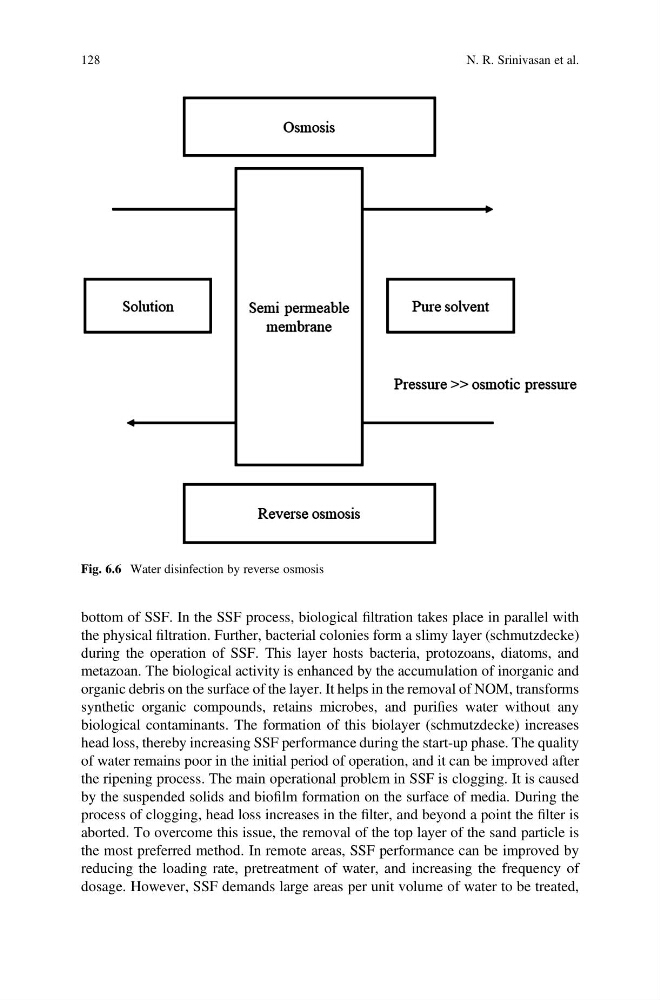
Fig. 6.6 Water disinfection by reverse osmosis
128
N. R. Srinivasan et al.
the physical filtration. Further, bacterial colonies form a slimy layer (schmutzdecke)
during the operation of SSF. This layer hosts bacteria, protozoans, diatoms, and
metazoan. The biological activity is enhanced by the accumulation of inorganic and
organic debris on the surface of the layer. It helps in the removal of NOM, transforms
synthetic organic compounds, retains microbes, and purifies water without any
biological contaminants. The formation of this biolayer (schmutzdecke) increases
head loss, thereby increasing SSF performance during the start-up phase. The quality
of water remains poor in the initial period of operation, and it can be improved after
the ripening process. The main operational problem in SSF is clogging. It is caused
by the suspended solids and biofilm formation on the surface of media. During the
process of clogging, head loss increases in the filter, and beyond a point the filter is
aborted. To overcome this issue, the removal of the top layer of the sand particle is
the most preferred method. In remote areas, SSF performance can be improved by
reducing the loading rate, pretreatment of water, and increasing the frequency of
dosage. However, SSF demands large areas per unit volume of water to be treated,
Fig. 6.6 Water disinfection by reverse osmosis
128
N. R. Srinivasan et al.