

there is no realistic alternative treatment process. Boiling is another way of
inactivating microbes. To achieve this, water is to be maintained in a boiling state
for 5–10 min.
3.3 Filtration Methods
3.3.1 Membrane-Based Techniques
Membrane-based techniques are used to remove suspended solids, microbes, and
ions from water. The principle behind these filters is physical separation. The
separation is dependent on the size of the pores in the membrane. Substances that
are larger than the size of the pores are completely removed, whereas the smaller size
substances are partially removed, depending on the structure of a refuse layer.
Figure 6.5 shows membrane-based techniques for water purification. Microfiltration
(01.–2 bar) and ultrafiltration (2–10 bar) filters are low pressure-dependent processes
that can remove microbes and suspended solids. The other substances (monovalent
species and small colloids) in water can be effectively removed by nanofiltration
(8–10 bar) and reverse osmosis (10–80 bar).
Osmosis is the flow of small size organic molecules through a semipermeable
membrane from one side to another due to the difference in concentration across the
UV rays
UV rays
Indirect effect
Direct effect
DNA damage
Thermal effect by IR rays
Solar pasteurisation (Inactivates cell)
Inactivates cell
Excitation of photosensitisers
(e.g., porphyrins, pigments)
Acts on molecular oxygen
(Type II reaction)
Leads to reactive oxygen species formation (ROS)
(e.g., hydroxyl radical, superoxide, and hydrogen peroxide)
Acts on cellular molecules
(Type I reaction)
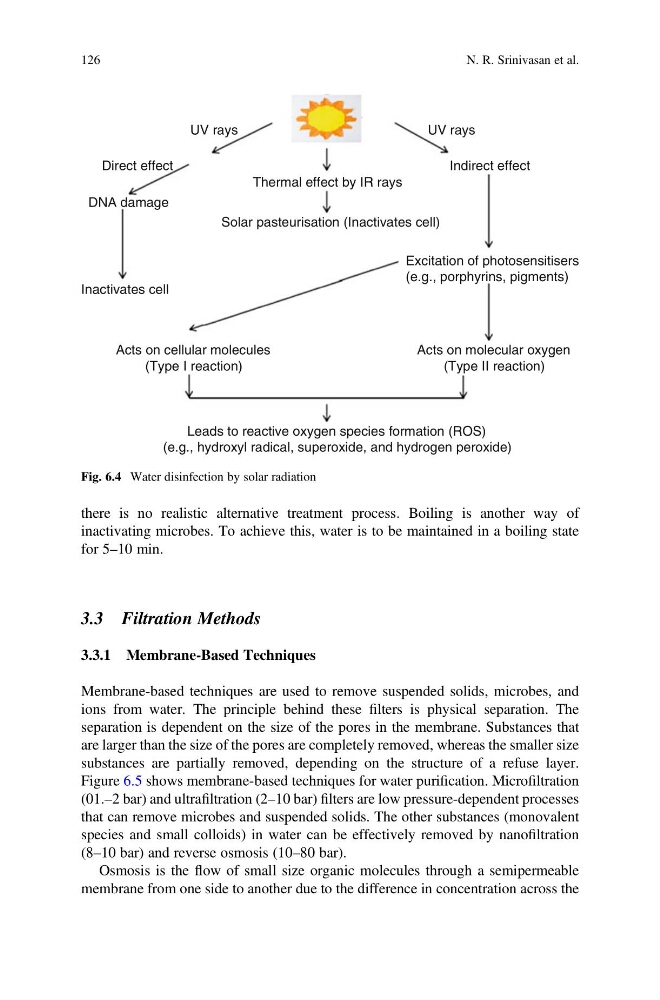
Fig. 6.4 Water disinfection by solar radiation
126
N. R. Srinivasan et al.
inactivating microbes. To achieve this, water is to be maintained in a boiling state
for 5–10 min.
3.3 Filtration Methods
3.3.1 Membrane-Based Techniques
Membrane-based techniques are used to remove suspended solids, microbes, and
ions from water. The principle behind these filters is physical separation. The
separation is dependent on the size of the pores in the membrane. Substances that
are larger than the size of the pores are completely removed, whereas the smaller size
substances are partially removed, depending on the structure of a refuse layer.
Figure 6.5 shows membrane-based techniques for water purification. Microfiltration
(01.–2 bar) and ultrafiltration (2–10 bar) filters are low pressure-dependent processes
that can remove microbes and suspended solids. The other substances (monovalent
species and small colloids) in water can be effectively removed by nanofiltration
(8–10 bar) and reverse osmosis (10–80 bar).
Osmosis is the flow of small size organic molecules through a semipermeable
membrane from one side to another due to the difference in concentration across the
UV rays
UV rays
Indirect effect
Direct effect
DNA damage
Thermal effect by IR rays
Solar pasteurisation (Inactivates cell)
Inactivates cell
Excitation of photosensitisers
(e.g., porphyrins, pigments)
Acts on molecular oxygen
(Type II reaction)
Leads to reactive oxygen species formation (ROS)
(e.g., hydroxyl radical, superoxide, and hydrogen peroxide)
Acts on cellular molecules
(Type I reaction)
Fig. 6.4 Water disinfection by solar radiation
126
N. R. Srinivasan et al.