

79
Anatomy
Basal Bodies
A flagellum cannot be dissociated from its base, the basal body, or kinetosome. This structure has
a cylindrical form, with an average diameter of 0.2 μm and a variable height (average 0.5 μm). The
wall of the cylinder is discontinuous, consists of nine microtubular triplets tilted to the radii at an
angle of 130°, and interconnected by transverse desmosomes. The complete tubule A consists of
13 protofilaments, and the incomplete tubules B and C have 10 protofilaments. The proximal part
of the basal body contains a fibrogranular structure termed the cartwheel, composed of a longitudinal central tubule and nine series of spokes joined to the triplets. This structure seems to be
present in nearly all species of algae, with variations reported mainly for the length of the basal
body. While most green algae usually possess very short basal bodies (250–450 nm), those of the
Prasinophytes are often twice as long (560–690 nm). Some members of the Haptophyta, such as
Chrysochromulina (Coccolithophyceae), also possess very long basal bodies (850–875 nm), but this
length can reach a value of 1300 nm in some Euglenophyceae such as Entosiphon.
In some Chlorophyta, two structures are present in association with the proximal ends of the basal
bodies: the terminal cap and the proximal sheaths. The terminal cap is a more or less prominent
electron-dense flap located at the anterior surface of the basal body, which folds over and covers in
part its proximal end. The proximal sheath is located posterior to the proximal end of the basal body,
can have a half-cylindrical shape or be wedge-shaped, narrow proximally, and broadening distally.
Variations in the number of basal bodies mainly reflect variations in the number of flagella. It is
possible to distinguish:
1. Cells with only one basal body, carrying one flagellum; this situation is very rare and is
present in the euglenophyte of uncertain affinity Scytomonas pusilla, and in the gametes
of the diatoms Lithodesmium and Biddulphia.
2. Cells with two neighboring basal bodies, forming the so-called primordial pair, and indicated as 2A.
3. Cells with numerous basal bodies.
In the case of two basal bodies, two possibilities exist: only one basal body, generally situated close to the nucleus or linked to it, possesses a flagellum, as in the spores of Hydrurus
(Chrysophyceae), or both basal bodies possess a flagellum. The latter is the most frequently occurring situation in flagellate algae. Most often the basal bodies are inclined towards each other; sometimes, they are perpendicular, or they may also be parallel facing the same directions or antiparallel
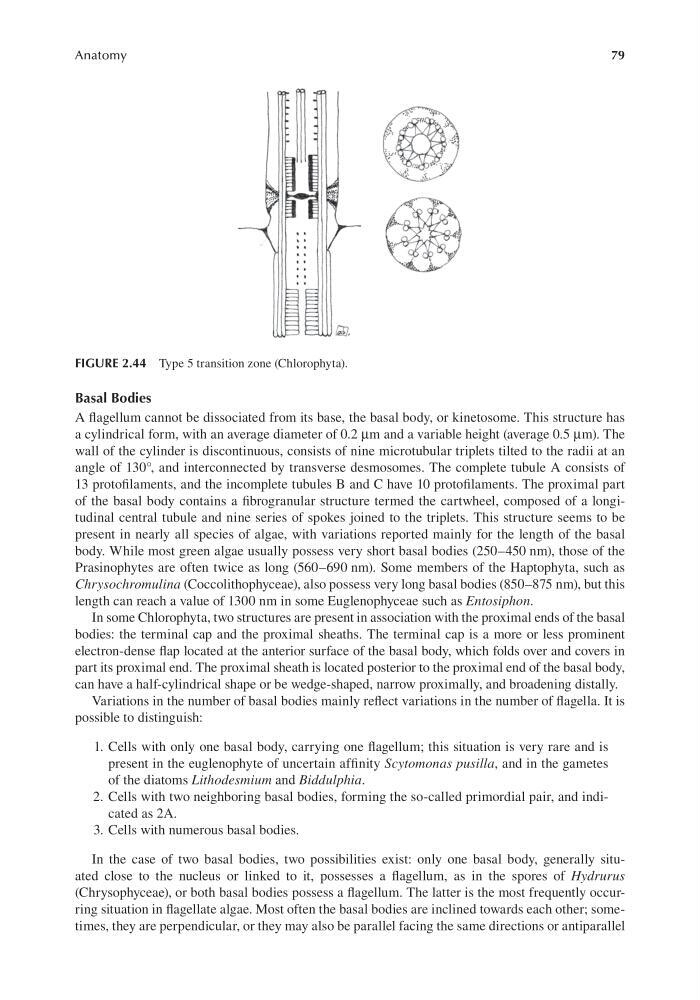
FIGURE 2.44 Type 5 transition zone (Chlorophyta).
Anatomy
Basal Bodies
A flagellum cannot be dissociated from its base, the basal body, or kinetosome. This structure has
a cylindrical form, with an average diameter of 0.2 μm and a variable height (average 0.5 μm). The
wall of the cylinder is discontinuous, consists of nine microtubular triplets tilted to the radii at an
angle of 130°, and interconnected by transverse desmosomes. The complete tubule A consists of
13 protofilaments, and the incomplete tubules B and C have 10 protofilaments. The proximal part
of the basal body contains a fibrogranular structure termed the cartwheel, composed of a longitudinal central tubule and nine series of spokes joined to the triplets. This structure seems to be
present in nearly all species of algae, with variations reported mainly for the length of the basal
body. While most green algae usually possess very short basal bodies (250–450 nm), those of the
Prasinophytes are often twice as long (560–690 nm). Some members of the Haptophyta, such as
Chrysochromulina (Coccolithophyceae), also possess very long basal bodies (850–875 nm), but this
length can reach a value of 1300 nm in some Euglenophyceae such as Entosiphon.
In some Chlorophyta, two structures are present in association with the proximal ends of the basal
bodies: the terminal cap and the proximal sheaths. The terminal cap is a more or less prominent
electron-dense flap located at the anterior surface of the basal body, which folds over and covers in
part its proximal end. The proximal sheath is located posterior to the proximal end of the basal body,
can have a half-cylindrical shape or be wedge-shaped, narrow proximally, and broadening distally.
Variations in the number of basal bodies mainly reflect variations in the number of flagella. It is
possible to distinguish:
1. Cells with only one basal body, carrying one flagellum; this situation is very rare and is
present in the euglenophyte of uncertain affinity Scytomonas pusilla, and in the gametes
of the diatoms Lithodesmium and Biddulphia.
2. Cells with two neighboring basal bodies, forming the so-called primordial pair, and indicated as 2A.
3. Cells with numerous basal bodies.
In the case of two basal bodies, two possibilities exist: only one basal body, generally situated close to the nucleus or linked to it, possesses a flagellum, as in the spores of Hydrurus
(Chrysophyceae), or both basal bodies possess a flagellum. The latter is the most frequently occurring situation in flagellate algae. Most often the basal bodies are inclined towards each other; sometimes, they are perpendicular, or they may also be parallel facing the same directions or antiparallel
FIGURE 2.44 Type 5 transition zone (Chlorophyta).