

16
Algae
also in the members of the Palmophyllales, an early-diverging chlorophytic lineage restricted
to dimly lit habitats and deep water. These algae possess a unique type of multicellularity: they
form well-defined macroscopic bodies composed of small spherical cells embedded in a firm
gelatinous matrix.
NUTRITION
Following our definition of the term algae, most algal groups should be considered photoautotrophs, that is, depending entirely on their photosynthetic apparatus for their metabolic
necessities, using sunlight as the source of energy, and CO 2 as the carbon source to produce
carbohydrates and adenosine triphosphate. Most algal divisions contain colorless heterotrophic
species that can obtain organic carbon from the external environment, either by taking up dissolved substances (osmotrophy) or by engulfing bacteria and other cells such as particulate prey
(phagotrophy). There also exist some algae that cannot synthesize essential components such as
the vitamins of the B 12 complex, or fatty acids, and have to import them; these algae are defined
auxotrophic.
However, it is widely accepted that algae use a complex spectrum of nutritional strategies, combining photoautotrophy and heterotrophy. This ability is referred to as mixotrophy. The relative
contribution of autotrophy and heterotrophy to growth within mixotrophic species varies along a
gradient from algae whose dominant mode of nutrition is phototrophy, through those for which phototrophy or heterotrophy provide essential nutritional supplements, to those for which heterotrophy
is the dominant strategy. Some mixotrophs are mainly photosynthetic and only occasionally use an
organic energy source. Others meet most of their nutritional demand by phagotrophy, but may use
some of the products of photosynthesis from sequestered prey chloroplasts. Photosynthetic fixation
of carbon as well as use of particulate food as a source of major nutrients (nitrogen, phosphorus,
and iron) and growth factors (e.g., vitamins, essential amino acids, and essential fatty acids) can
enhance growth, especially in extreme environments where resources are limited. Heterotrophy
can be important for the acquisition of carbon when light is limiting and, conversely, autotrophy can
maintain a cell during periods when particulate food is scarce.
On the basis of their nutritional strategies, we can classify algae into four groups:
1. Obligate heterotrophic algae: they are primarily heterotrophic, but are capable of sustaining themselves by phototropy when prey concentrations limit heterotrophic growth (e.g.,
Gymnodium gracilentum, Myzozoa);
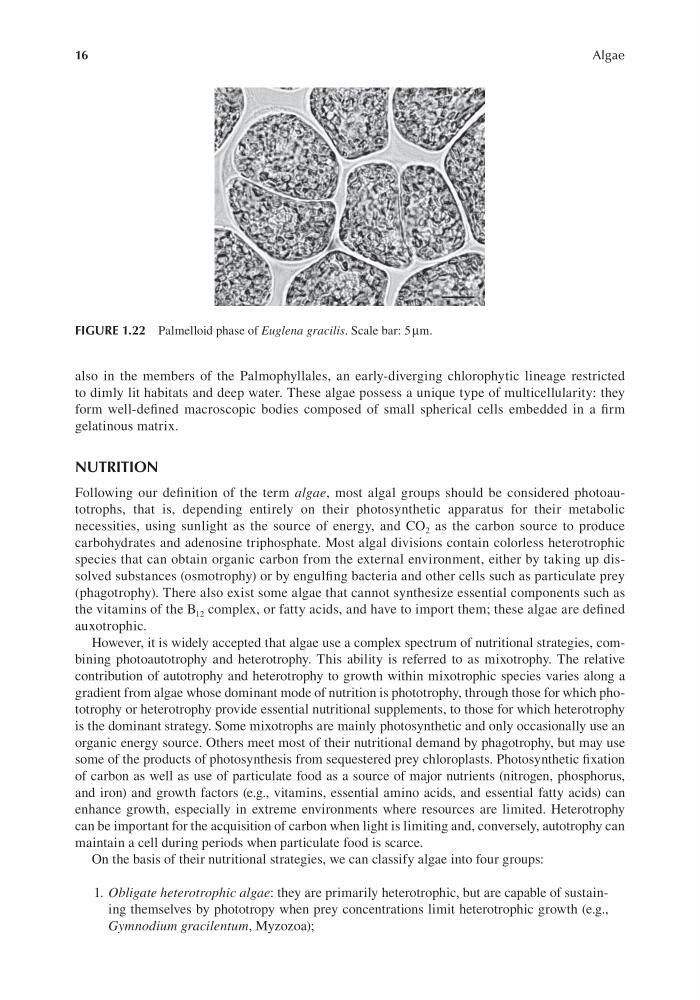
FIGURE 1.22 Palmelloid phase of Euglena gracilis. Scale bar: 5 μm.
Algae
also in the members of the Palmophyllales, an early-diverging chlorophytic lineage restricted
to dimly lit habitats and deep water. These algae possess a unique type of multicellularity: they
form well-defined macroscopic bodies composed of small spherical cells embedded in a firm
gelatinous matrix.
NUTRITION
Following our definition of the term algae, most algal groups should be considered photoautotrophs, that is, depending entirely on their photosynthetic apparatus for their metabolic
necessities, using sunlight as the source of energy, and CO 2 as the carbon source to produce
carbohydrates and adenosine triphosphate. Most algal divisions contain colorless heterotrophic
species that can obtain organic carbon from the external environment, either by taking up dissolved substances (osmotrophy) or by engulfing bacteria and other cells such as particulate prey
(phagotrophy). There also exist some algae that cannot synthesize essential components such as
the vitamins of the B 12 complex, or fatty acids, and have to import them; these algae are defined
auxotrophic.
However, it is widely accepted that algae use a complex spectrum of nutritional strategies, combining photoautotrophy and heterotrophy. This ability is referred to as mixotrophy. The relative
contribution of autotrophy and heterotrophy to growth within mixotrophic species varies along a
gradient from algae whose dominant mode of nutrition is phototrophy, through those for which phototrophy or heterotrophy provide essential nutritional supplements, to those for which heterotrophy
is the dominant strategy. Some mixotrophs are mainly photosynthetic and only occasionally use an
organic energy source. Others meet most of their nutritional demand by phagotrophy, but may use
some of the products of photosynthesis from sequestered prey chloroplasts. Photosynthetic fixation
of carbon as well as use of particulate food as a source of major nutrients (nitrogen, phosphorus,
and iron) and growth factors (e.g., vitamins, essential amino acids, and essential fatty acids) can
enhance growth, especially in extreme environments where resources are limited. Heterotrophy
can be important for the acquisition of carbon when light is limiting and, conversely, autotrophy can
maintain a cell during periods when particulate food is scarce.
On the basis of their nutritional strategies, we can classify algae into four groups:
1. Obligate heterotrophic algae: they are primarily heterotrophic, but are capable of sustaining themselves by phototropy when prey concentrations limit heterotrophic growth (e.g.,
Gymnodium gracilentum, Myzozoa);
FIGURE 1.22 Palmelloid phase of Euglena gracilis. Scale bar: 5 μm.