

economic profit of the Indian power plant, including carbon dioxide credits, is
67 million USD.
From an economic perspective, cooperation methods 2 and 3 both result in fuel
cost reduction and avoidance costs for sulfur oxides, nitrogen oxides, and dust
disposal due to the introduction of new equipment models. Nevertheless, there is a
high cost of purchasing these machines. As a result, the annual profit of the Indian
power plant is 0.99 million USD higher in cooperation method 1 than in 2 and
3. From an environmental perspective, the introduction of new models improves the
carbon dioxide emission coefficient and thermal efficiency, resulting in annual
carbon dioxide reductions of 1.43 Mt, or approximately 19.7%. Sulfur oxides reduce
by 5.23 kt/year or approximately 15.5%, nitrogen oxides by 5.05 kt/year or approximately 15.8%, and dust emissions by 3.11 kt/year or approximately 15.8%.
For Indian power plants, cooperation method 1 has the highest annual profit but also
the most substantial environmental burden. In cooperation methods 2 and 3, annual
profit in India decreases by 12.5%, but the burden on the environment is also significantly reduced (carbon dioxide by 19.7%, sulfur oxide by 15.5%, nitrogen oxide by
15.8%, and dust emissions by 15.8%). Therefore, considering the joint perspectives of
the environment and economy, cooperation method 2 or 3 should be selected.
Economic and Environmental Benefits to Japanese and Chinese Companies
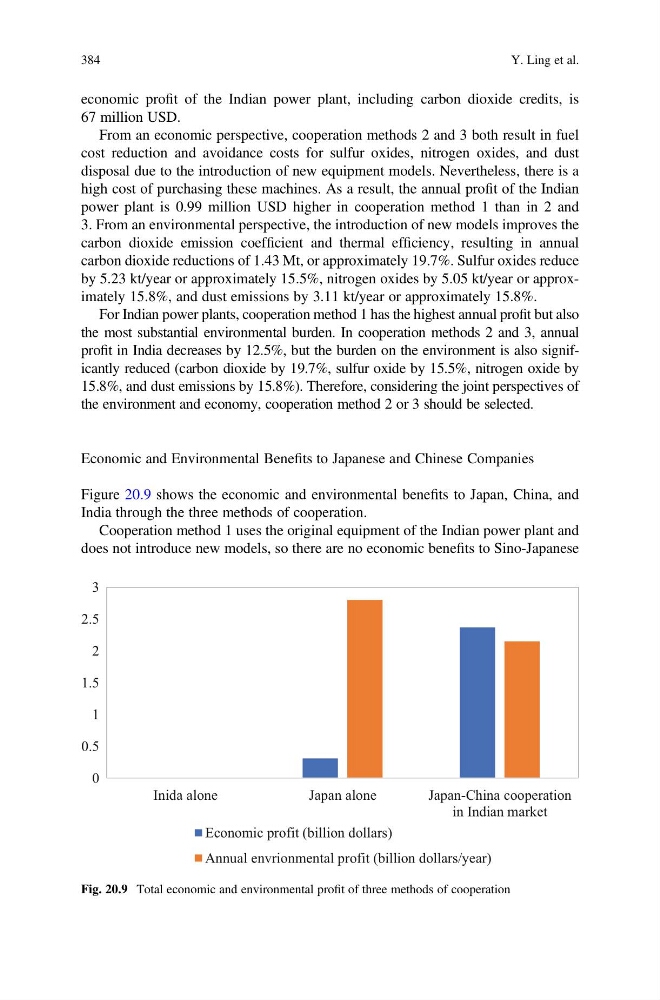
Figure 20.9 shows the economic and environmental benefits to Japan, China, and
India through the three methods of cooperation.
Cooperation method 1 uses the original equipment of the Indian power plant and
does not introduce new models, so there are no economic benefits to Sino-Japanese
0
0.5
1
1.5
2
2.5
3
Inida alone
Japan alone
Japan-China cooperation
in Indian market
Economic profit (billion dollars)
Annual envrionmental profit (billion dollars/year)
Fig. 20.9 Total economic and environmental profit of three methods of cooperation
384
Y. Ling et al.
67 million USD.
From an economic perspective, cooperation methods 2 and 3 both result in fuel
cost reduction and avoidance costs for sulfur oxides, nitrogen oxides, and dust
disposal due to the introduction of new equipment models. Nevertheless, there is a
high cost of purchasing these machines. As a result, the annual profit of the Indian
power plant is 0.99 million USD higher in cooperation method 1 than in 2 and
3. From an environmental perspective, the introduction of new models improves the
carbon dioxide emission coefficient and thermal efficiency, resulting in annual
carbon dioxide reductions of 1.43 Mt, or approximately 19.7%. Sulfur oxides reduce
by 5.23 kt/year or approximately 15.5%, nitrogen oxides by 5.05 kt/year or approximately 15.8%, and dust emissions by 3.11 kt/year or approximately 15.8%.
For Indian power plants, cooperation method 1 has the highest annual profit but also
the most substantial environmental burden. In cooperation methods 2 and 3, annual
profit in India decreases by 12.5%, but the burden on the environment is also significantly reduced (carbon dioxide by 19.7%, sulfur oxide by 15.5%, nitrogen oxide by
15.8%, and dust emissions by 15.8%). Therefore, considering the joint perspectives of
the environment and economy, cooperation method 2 or 3 should be selected.
Economic and Environmental Benefits to Japanese and Chinese Companies
Figure 20.9 shows the economic and environmental benefits to Japan, China, and
India through the three methods of cooperation.
Cooperation method 1 uses the original equipment of the Indian power plant and
does not introduce new models, so there are no economic benefits to Sino-Japanese
0
0.5
1
1.5
2
2.5
3
Inida alone
Japan alone
Japan-China cooperation
in Indian market
Economic profit (billion dollars)
Annual envrionmental profit (billion dollars/year)
Fig. 20.9 Total economic and environmental profit of three methods of cooperation
384
Y. Ling et al.