

20.5.5.2 Profit Distribution and Evaluation of Cooperation Methods
Economic and Environmental Benefits to Indian Power Plants
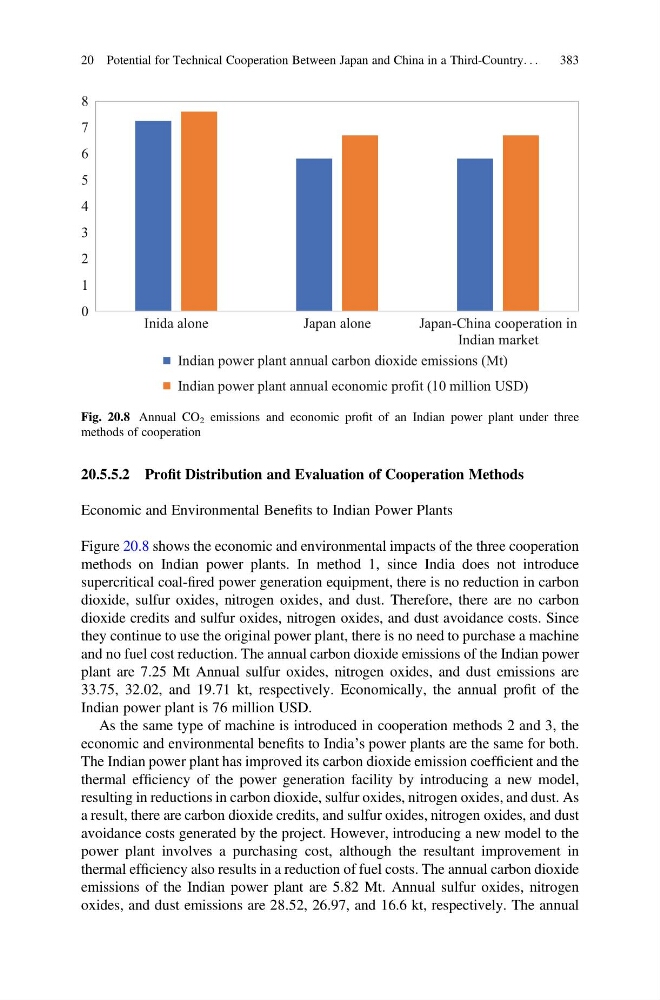
Figure 20.8 shows the economic and environmental impacts of the three cooperation
methods on Indian power plants. In method 1, since India does not introduce
supercritical coal-fired power generation equipment, there is no reduction in carbon
dioxide, sulfur oxides, nitrogen oxides, and dust. Therefore, there are no carbon
dioxide credits and sulfur oxides, nitrogen oxides, and dust avoidance costs. Since
they continue to use the original power plant, there is no need to purchase a machine
and no fuel cost reduction. The annual carbon dioxide emissions of the Indian power
plant are 7.25 Mt Annual sulfur oxides, nitrogen oxides, and dust emissions are
33.75, 32.02, and 19.71 kt, respectively. Economically, the annual profit of the
Indian power plant is 76 million USD.
As the same type of machine is introduced in cooperation methods 2 and 3, the
economic and environmental benefits to India’s power plants are the same for both.
The Indian power plant has improved its carbon dioxide emission coefficient and the
thermal efficiency of the power generation facility by introducing a new model,
resulting in reductions in carbon dioxide, sulfur oxides, nitrogen oxides, and dust. As
a result, there are carbon dioxide credits, and sulfur oxides, nitrogen oxides, and dust
avoidance costs generated by the project. However, introducing a new model to the
power plant involves a purchasing cost, although the resultant improvement in
thermal efficiency also results in a reduction of fuel costs. The annual carbon dioxide
emissions of the Indian power plant are 5.82 Mt. Annual sulfur oxides, nitrogen
oxides, and dust emissions are 28.52, 26.97, and 16.6 kt, respectively. The annual
0
1
2
3
4
5
6
7
8
Inida alone
Japan alone
Japan-China cooperation in
Indian market
Indian power plant annual carbon dioxide emissions (Mt)
Indian power plant annual economic profit (10 million USD)
Fig. 20.8 Annual CO 2 emissions and economic profit of an Indian power plant under three
methods of cooperation
20 Potential for Technical Cooperation Between Japan and China in a Third-Country. . .
383
Economic and Environmental Benefits to Indian Power Plants
Figure 20.8 shows the economic and environmental impacts of the three cooperation
methods on Indian power plants. In method 1, since India does not introduce
supercritical coal-fired power generation equipment, there is no reduction in carbon
dioxide, sulfur oxides, nitrogen oxides, and dust. Therefore, there are no carbon
dioxide credits and sulfur oxides, nitrogen oxides, and dust avoidance costs. Since
they continue to use the original power plant, there is no need to purchase a machine
and no fuel cost reduction. The annual carbon dioxide emissions of the Indian power
plant are 7.25 Mt Annual sulfur oxides, nitrogen oxides, and dust emissions are
33.75, 32.02, and 19.71 kt, respectively. Economically, the annual profit of the
Indian power plant is 76 million USD.
As the same type of machine is introduced in cooperation methods 2 and 3, the
economic and environmental benefits to India’s power plants are the same for both.
The Indian power plant has improved its carbon dioxide emission coefficient and the
thermal efficiency of the power generation facility by introducing a new model,
resulting in reductions in carbon dioxide, sulfur oxides, nitrogen oxides, and dust. As
a result, there are carbon dioxide credits, and sulfur oxides, nitrogen oxides, and dust
avoidance costs generated by the project. However, introducing a new model to the
power plant involves a purchasing cost, although the resultant improvement in
thermal efficiency also results in a reduction of fuel costs. The annual carbon dioxide
emissions of the Indian power plant are 5.82 Mt. Annual sulfur oxides, nitrogen
oxides, and dust emissions are 28.52, 26.97, and 16.6 kt, respectively. The annual
0
1
2
3
4
5
6
7
8
Inida alone
Japan alone
Japan-China cooperation in
Indian market
Indian power plant annual carbon dioxide emissions (Mt)
Indian power plant annual economic profit (10 million USD)
Fig. 20.8 Annual CO 2 emissions and economic profit of an Indian power plant under three
methods of cooperation
20 Potential for Technical Cooperation Between Japan and China in a Third-Country. . .
383