

for which the MAC increases from 95.2 to 152.5 USD in 2005/tC. The abated carbon
emissions produced by energy saving account for 63.7% of the total (or 68.6% in the
no trading scenario), which indicates that low-cost energy saving cannot produce
sufficient carbon emission reductions to both achieve emission targets and sell extra
carbon emissions internationally. Thus, the abatement cost of energy saving
increases. Switching among fossil fuels is an effective measure for China to reduce
carbon emissions. The MAC of the nonelectric renewable energy increases from
603.4 to 632.8 USD (2005)/tC. Other renewable energy accounts for up to 2.6%
compared to 2.9% in the emission target scenario without trading, though the
absolute value is slightly greater in the emission target scenario. Biomass, switching
among fossil fuels, and energy saving account for most of the total abatement costs,
at 36.2%, 25.9%, and 9.9%, respectively, in the carbon trading scenario. The total
abatement cost of hydro-power accounts for a small proportion (7.4%) because of its
relatively low capacity in the carbon trading scenario. Carbon trading raises domestic carbon prices in China and the reduction efficiencies of different abatement
measures are improved to meet the extra carbon reduction requirements.
Energy saving becomes the most important abatement measure, if Japan is to
achieve partial carbon emission reductions by purchasing carbon credits from
developing countries such as China. The MAC of energy saving decreases from
157.6 to 153.4 USD (2005)/tC in the carbon trading scenario. The abatement cost of
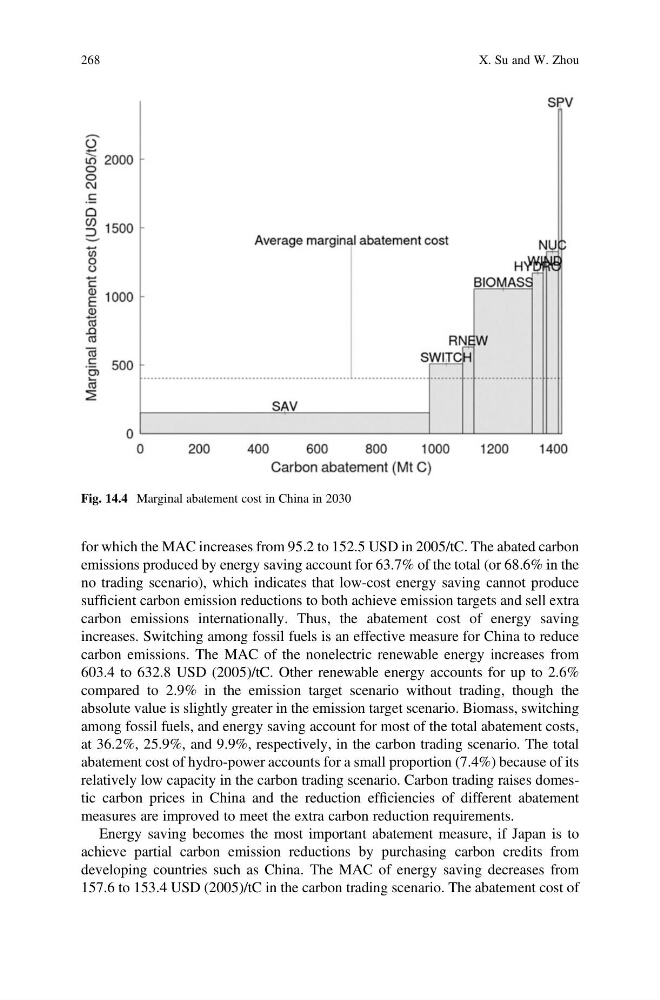
Fig. 14.4 Marginal abatement cost in China in 2030
268
X. Su and W. Zhou
emissions produced by energy saving account for 63.7% of the total (or 68.6% in the
no trading scenario), which indicates that low-cost energy saving cannot produce
sufficient carbon emission reductions to both achieve emission targets and sell extra
carbon emissions internationally. Thus, the abatement cost of energy saving
increases. Switching among fossil fuels is an effective measure for China to reduce
carbon emissions. The MAC of the nonelectric renewable energy increases from
603.4 to 632.8 USD (2005)/tC. Other renewable energy accounts for up to 2.6%
compared to 2.9% in the emission target scenario without trading, though the
absolute value is slightly greater in the emission target scenario. Biomass, switching
among fossil fuels, and energy saving account for most of the total abatement costs,
at 36.2%, 25.9%, and 9.9%, respectively, in the carbon trading scenario. The total
abatement cost of hydro-power accounts for a small proportion (7.4%) because of its
relatively low capacity in the carbon trading scenario. Carbon trading raises domestic carbon prices in China and the reduction efficiencies of different abatement
measures are improved to meet the extra carbon reduction requirements.
Energy saving becomes the most important abatement measure, if Japan is to
achieve partial carbon emission reductions by purchasing carbon credits from
developing countries such as China. The MAC of energy saving decreases from
157.6 to 153.4 USD (2005)/tC in the carbon trading scenario. The abatement cost of
Fig. 14.4 Marginal abatement cost in China in 2030
268
X. Su and W. Zhou