

12.2.2 New Clean Energy Sources
As described in the introduction, there are many kinds of clean energy that do not
emit greenhouse gases. The level of technological development associated with
generation of power from these types of energy varies from tentative proposals as
new energy resources to mature technology capable of generating large amounts of
energy. Table 12.1 provides an overview of conventional and new energy resources.
Among the new energy resources in Table 12.1, technology for solar is already
established on a global scale, and large-scale power plants have been constructed in
many countries. Given the advanced state of solar technology, it is not a focus of this
chapter. Instead, wind (new types), water (new types), and tidal powers are explored
in more detail.
Technologies for the other new energy sources listed in Table 12.1 should also be
developed. Hybrid use of several different types of clean energy is important, since
each type of power plant has both advantages and disadvantages.
12.3 Development of a New Type of Windmill Power Plant
12.3.1 Meteorological Wind Conditions in Japan
Useful applications of windmill power plants to irrigate agricultural land and pump
water to the sea have long been present in certain regions such as the Netherlands.
Windmills have also been used to mill various cereals and to process wooden
25
(10
18
J)
New energy except for water
Water
Nuclear
Natural gas
Coal
Petroleum
20
15
Energy supply
10
5
0
1965
70
75
80
85
90
95
Fiscal year
2000
05
10
15 18
37.6%
40.3%
46.7%
49.2%
53.7%
56.0%
55.4%
64.7%
75.5%
71.6%
69.9%
55.9%
29.3%
21.3%
16.9%
17.6%
19.6%
16.9%
16.5%
11.3%
12.2%
12.6%
13.5%
18.5%
20.9%
22.7%
25.1%
18.2%
14.4%
11.6%
11.2%
22.9%
Non-fossil
19.73
22.00
22.91
22.71
21.99
19.67
16.47
15.92
14.38
15.00
12.42
3.5%
8.2%
10.5%
9.6%
9.7%
9.1%
17.4%
6.38
Fossil fuel
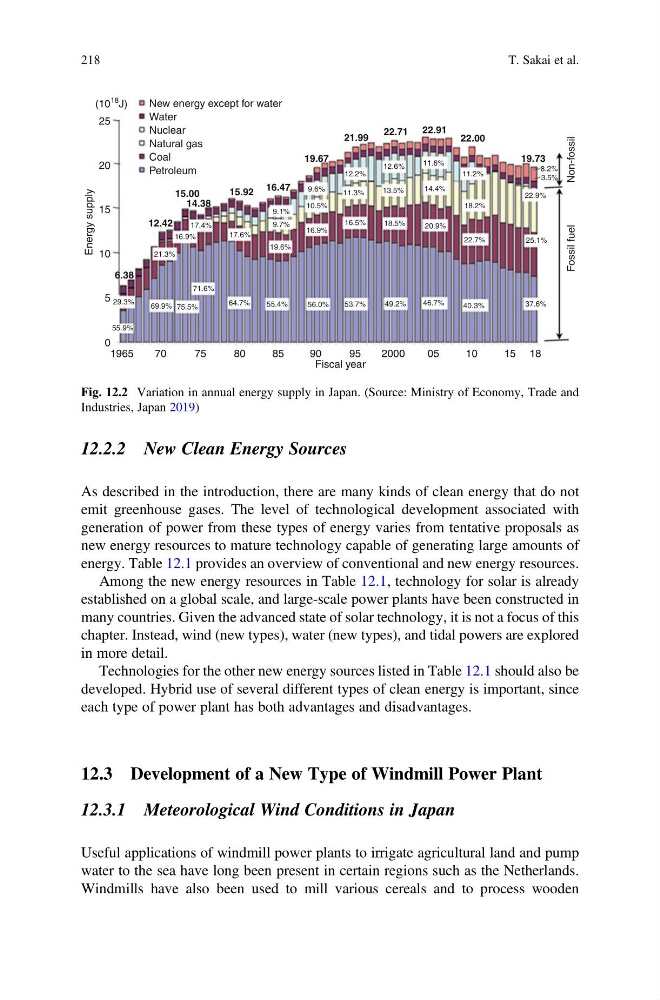
Fig. 12.2 Variation in annual energy supply in Japan. (Source: Ministry of Economy, Trade and
Industries, Japan 2019)
218
T. Sakai et al.
As described in the introduction, there are many kinds of clean energy that do not
emit greenhouse gases. The level of technological development associated with
generation of power from these types of energy varies from tentative proposals as
new energy resources to mature technology capable of generating large amounts of
energy. Table 12.1 provides an overview of conventional and new energy resources.
Among the new energy resources in Table 12.1, technology for solar is already
established on a global scale, and large-scale power plants have been constructed in
many countries. Given the advanced state of solar technology, it is not a focus of this
chapter. Instead, wind (new types), water (new types), and tidal powers are explored
in more detail.
Technologies for the other new energy sources listed in Table 12.1 should also be
developed. Hybrid use of several different types of clean energy is important, since
each type of power plant has both advantages and disadvantages.
12.3 Development of a New Type of Windmill Power Plant
12.3.1 Meteorological Wind Conditions in Japan
Useful applications of windmill power plants to irrigate agricultural land and pump
water to the sea have long been present in certain regions such as the Netherlands.
Windmills have also been used to mill various cereals and to process wooden
25
(10
18
J)
New energy except for water
Water
Nuclear
Natural gas
Coal
Petroleum
20
15
Energy supply
10
5
0
1965
70
75
80
85
90
95
Fiscal year
2000
05
10
15 18
37.6%
40.3%
46.7%
49.2%
53.7%
56.0%
55.4%
64.7%
75.5%
71.6%
69.9%
55.9%
29.3%
21.3%
16.9%
17.6%
19.6%
16.9%
16.5%
11.3%
12.2%
12.6%
13.5%
18.5%
20.9%
22.7%
25.1%
18.2%
14.4%
11.6%
11.2%
22.9%
Non-fossil
19.73
22.00
22.91
22.71
21.99
19.67
16.47
15.92
14.38
15.00
12.42
3.5%
8.2%
10.5%
9.6%
9.7%
9.1%
17.4%
6.38
Fossil fuel
Fig. 12.2 Variation in annual energy supply in Japan. (Source: Ministry of Economy, Trade and
Industries, Japan 2019)
218
T. Sakai et al.