

equipment. The electrodes in these components are usually made of nickel, filled on
the electron gun, and are classified based on the number of electrode they contain.
The television picture tubes consist of large glass envelopes that provide electrical
insulation for high voltage. The number of modified high-velocity electrons striking
a luminescent surface corresponds to the transmitted signals in the picture tubes and
is influenced by electrical impulses within a given time. Also, there are three electron
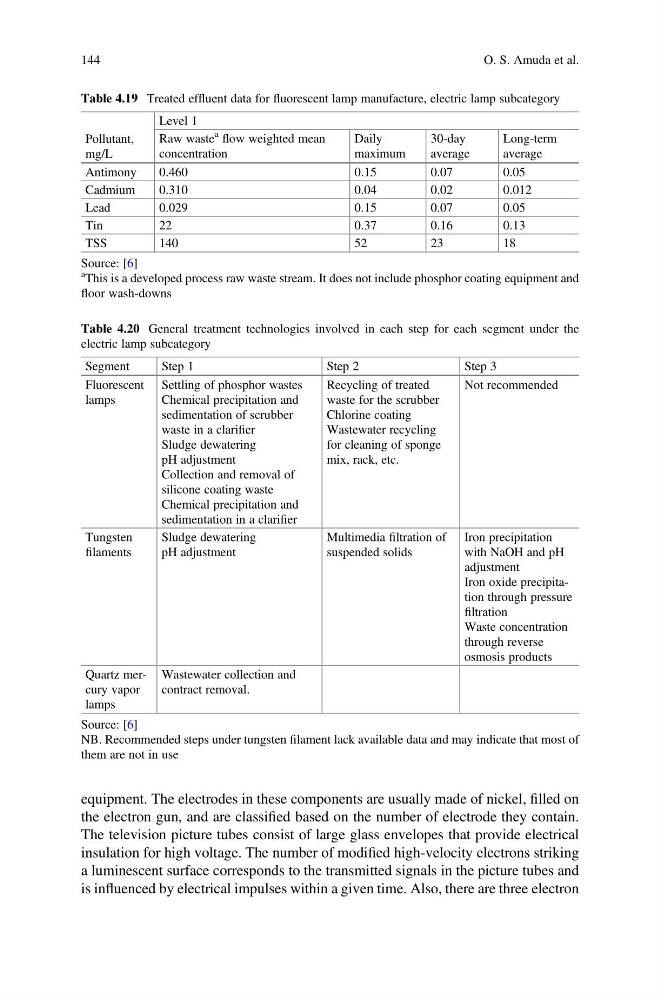
Table 4.19 Treated effluent data for fluorescent lamp manufacture, electric lamp subcategory
Pollutant,
mg/L
Level 1
Raw waste
a flow weighted mean
concentration
Daily
maximum
30-day
average
Long-term
average
Antimony
0.460
0.15
0.07
0.05
Cadmium
0.310
0.04
0.02
0.012
Lead
0.029
0.15
0.07
0.05
Tin
22
0.37
0.16
0.13
TSS
140
52
23
18
Source: [6]
a This is a developed process raw waste stream. It does not include phosphor coating equipment and
floor wash-downs
Table 4.20 General treatment technologies involved in each step for each segment under the
electric lamp subcategory
Segment
Step 1
Step 2
Step 3
Fluorescent
lamps
Settling of phosphor wastes
Chemical precipitation and
sedimentation of scrubber
waste in a clarifier
Sludge dewatering
pH adjustment
Collection and removal of
silicone coating waste
Chemical precipitation and
sedimentation in a clarifier
Recycling of treated
waste for the scrubber
Chlorine coating
Wastewater recycling
for cleaning of sponge
mix, rack, etc.
Not recommended
Tungsten
filaments
Sludge dewatering
pH adjustment
Multimedia filtration of
suspended solids
Iron precipitation
with NaOH and pH
adjustment
Iron oxide precipitation through pressure
filtration
Waste concentration
through reverse
osmosis products
Quartz mercury vapor
lamps
Wastewater collection and
contract removal.
Source: [6]
NB. Recommended steps under tungsten filament lack available data and may indicate that most of
them are not in use
144
O. S. Amuda et al.
the electron gun, and are classified based on the number of electrode they contain.
The television picture tubes consist of large glass envelopes that provide electrical
insulation for high voltage. The number of modified high-velocity electrons striking
a luminescent surface corresponds to the transmitted signals in the picture tubes and
is influenced by electrical impulses within a given time. Also, there are three electron
Table 4.19 Treated effluent data for fluorescent lamp manufacture, electric lamp subcategory
Pollutant,
mg/L
Level 1
Raw waste
a flow weighted mean
concentration
Daily
maximum
30-day
average
Long-term
average
Antimony
0.460
0.15
0.07
0.05
Cadmium
0.310
0.04
0.02
0.012
Lead
0.029
0.15
0.07
0.05
Tin
22
0.37
0.16
0.13
TSS
140
52
23
18
Source: [6]
a This is a developed process raw waste stream. It does not include phosphor coating equipment and
floor wash-downs
Table 4.20 General treatment technologies involved in each step for each segment under the
electric lamp subcategory
Segment
Step 1
Step 2
Step 3
Fluorescent
lamps
Settling of phosphor wastes
Chemical precipitation and
sedimentation of scrubber
waste in a clarifier
Sludge dewatering
pH adjustment
Collection and removal of
silicone coating waste
Chemical precipitation and
sedimentation in a clarifier
Recycling of treated
waste for the scrubber
Chlorine coating
Wastewater recycling
for cleaning of sponge
mix, rack, etc.
Not recommended
Tungsten
filaments
Sludge dewatering
pH adjustment
Multimedia filtration of
suspended solids
Iron precipitation
with NaOH and pH
adjustment
Iron oxide precipitation through pressure
filtration
Waste concentration
through reverse
osmosis products
Quartz mercury vapor
lamps
Wastewater collection and
contract removal.
Source: [6]
NB. Recommended steps under tungsten filament lack available data and may indicate that most of
them are not in use
144
O. S. Amuda et al.