

24 Life Cycle Simulation of Machine Parts with Part Agents
349
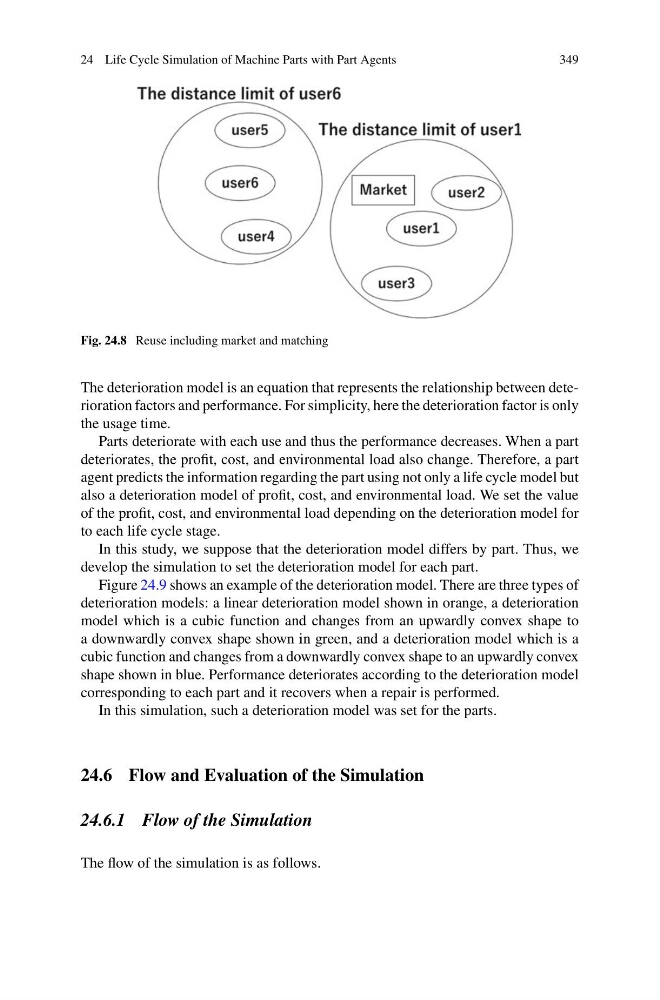
Fig. 24.8 Reuse including market and matching
The deterioration model is an equation that represents the relationship between deterioration factors and performance. For simplicity, here the deterioration factor is only
the usage time.
Parts deteriorate with each use and thus the performance decreases. When a part
deteriorates, the profit, cost, and environmental load also change. Therefore, a part
agent predicts the information regarding the part using not only a life cycle model but
also a deterioration model of profit, cost, and environmental load. We set the value
of the profit, cost, and environmental load depending on the deterioration model for
to each life cycle stage.
In this study, we suppose that the deterioration model differs by part. Thus, we
develop the simulation to set the deterioration model for each part.
Figure 24.9 shows an example of the deterioration model. There are three types of
deterioration models: a linear deterioration model shown in orange, a deterioration
model which is a cubic function and changes from an upwardly convex shape to
a downwardly convex shape shown in green, and a deterioration model which is a
cubic function and changes from a downwardly convex shape to an upwardly convex
shape shown in blue. Performance deteriorates according to the deterioration model
corresponding to each part and it recovers when a repair is performed.
In this simulation, such a deterioration model was set for the parts.
24.6 Flow and Evaluation of the Simulation
24.6.1 Flow of the Simulation
The flow of the simulation is as follows.
349
Fig. 24.8 Reuse including market and matching
The deterioration model is an equation that represents the relationship between deterioration factors and performance. For simplicity, here the deterioration factor is only
the usage time.
Parts deteriorate with each use and thus the performance decreases. When a part
deteriorates, the profit, cost, and environmental load also change. Therefore, a part
agent predicts the information regarding the part using not only a life cycle model but
also a deterioration model of profit, cost, and environmental load. We set the value
of the profit, cost, and environmental load depending on the deterioration model for
to each life cycle stage.
In this study, we suppose that the deterioration model differs by part. Thus, we
develop the simulation to set the deterioration model for each part.
Figure 24.9 shows an example of the deterioration model. There are three types of
deterioration models: a linear deterioration model shown in orange, a deterioration
model which is a cubic function and changes from an upwardly convex shape to
a downwardly convex shape shown in green, and a deterioration model which is a
cubic function and changes from a downwardly convex shape to an upwardly convex
shape shown in blue. Performance deteriorates according to the deterioration model
corresponding to each part and it recovers when a repair is performed.
In this simulation, such a deterioration model was set for the parts.
24.6 Flow and Evaluation of the Simulation
24.6.1 Flow of the Simulation
The flow of the simulation is as follows.