

22 Analysis of Electric Vehicle Batteries Recoverability …
311
For those aspects, planning the future production/supply and the respective collection/processing/recycling (recoverability) of the batteries is going to be essential for
creating a sustainable electric vehicles market and reach a circular supply chain.
Previous studies analyze the recycling process of LiB (Zheng et al. 2018) (Gaines
2014) (Winslow and Laux 2018) enhancing its importance. However, none of them
consider possible inconvenient related to the supply of the scrapped batteries, where
the -time- and -quantity- are representatives for its economic viability.
The aim of this study is to propose a dynamic model for forecasting the changes
in the number of batteries recovered from the end of life electric vehicles considering
different power trains.
22.2 Methodology
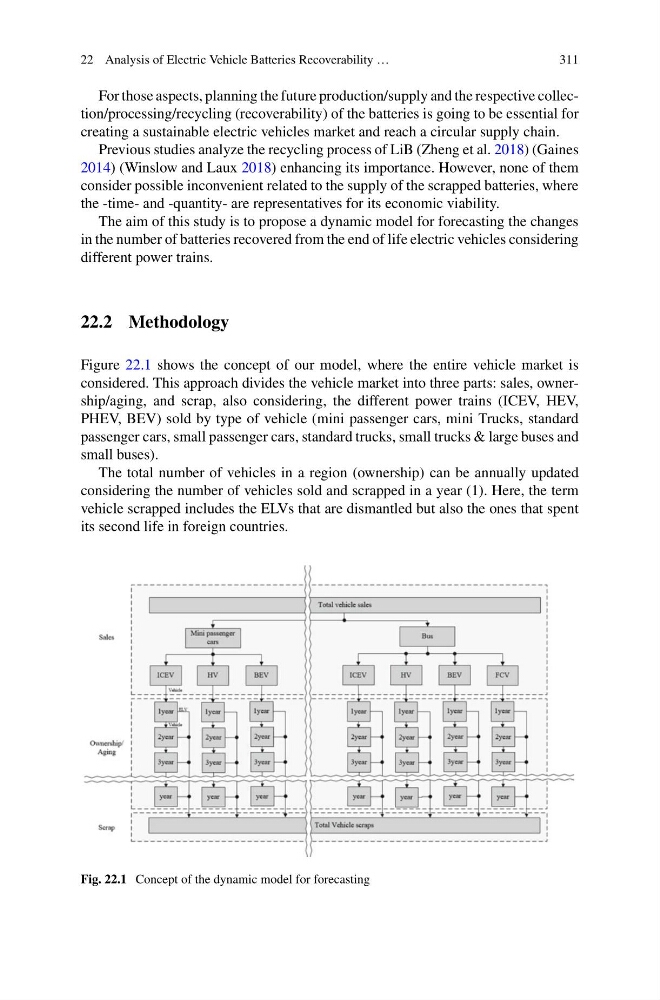
Figure 22.1 shows the concept of our model, where the entire vehicle market is
considered. This approach divides the vehicle market into three parts: sales, ownership/aging, and scrap, also considering, the different power trains (ICEV, HEV,
PHEV, BEV) sold by type of vehicle (mini passenger cars, mini Trucks, standard
passenger cars, small passenger cars, standard trucks, small trucks & large buses and
small buses).
The total number of vehicles in a region (ownership) can be annually updated
considering the number of vehicles sold and scrapped in a year (1). Here, the term
vehicle scrapped includes the ELVs that are dismantled but also the ones that spent
its second life in foreign countries.
Fig. 22.1 Concept of the dynamic model for forecasting
311
For those aspects, planning the future production/supply and the respective collection/processing/recycling (recoverability) of the batteries is going to be essential for
creating a sustainable electric vehicles market and reach a circular supply chain.
Previous studies analyze the recycling process of LiB (Zheng et al. 2018) (Gaines
2014) (Winslow and Laux 2018) enhancing its importance. However, none of them
consider possible inconvenient related to the supply of the scrapped batteries, where
the -time- and -quantity- are representatives for its economic viability.
The aim of this study is to propose a dynamic model for forecasting the changes
in the number of batteries recovered from the end of life electric vehicles considering
different power trains.
22.2 Methodology
Figure 22.1 shows the concept of our model, where the entire vehicle market is
considered. This approach divides the vehicle market into three parts: sales, ownership/aging, and scrap, also considering, the different power trains (ICEV, HEV,
PHEV, BEV) sold by type of vehicle (mini passenger cars, mini Trucks, standard
passenger cars, small passenger cars, standard trucks, small trucks & large buses and
small buses).
The total number of vehicles in a region (ownership) can be annually updated
considering the number of vehicles sold and scrapped in a year (1). Here, the term
vehicle scrapped includes the ELVs that are dismantled but also the ones that spent
its second life in foreign countries.
Fig. 22.1 Concept of the dynamic model for forecasting