

21 Closed Loop Tolerance Engineering Modelling and Maturity …
303
21.4 Extended Clte in a Circular Economy Perspective
The CLTE model is currently mainly focus on TE and processes within one company.
Customer demands are expressed through the functional requirements and product
performance, but the influence on TE and PC at suppliers are not reflected. Information and data collection from the product use phase and end-of-life and possibly
reuse and remanufacturing of products are also not reflected. One of the current
trends are manufacturers liability of products after end-of-life (EOL) as well as the
extension of the product to a product-service system. Products containing sensors
open for new business models, but the data collected could also be used for future
CLTE activities, such as functional requirement definitions. These trends will be
even more emphasized in a circular economy perspective and increased reuse and
remanufacturing of products and components rather than re-melting or disposal at
the EOL. Future tolerance engineering and variation management need to take this
into consideration.
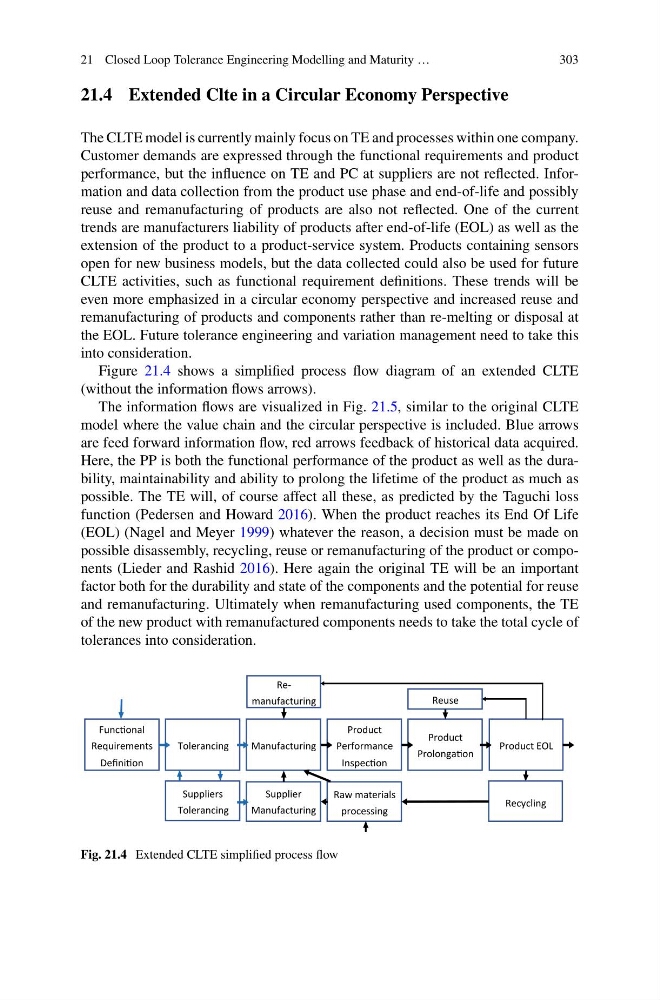
Figure 21.4 shows a simplified process flow diagram of an extended CLTE
(without the information flows arrows).
The information flows are visualized in Fig. 21.5, similar to the original CLTE
model where the value chain and the circular perspective is included. Blue arrows
are feed forward information flow, red arrows feedback of historical data acquired.
Here, the PP is both the functional performance of the product as well as the durability, maintainability and ability to prolong the lifetime of the product as much as
possible. The TE will, of course affect all these, as predicted by the Taguchi loss
function (Pedersen and Howard 2016). When the product reaches its End Of Life
(EOL) (Nagel and Meyer 1999) whatever the reason, a decision must be made on
possible disassembly, recycling, reuse or remanufacturing of the product or components (Lieder and Rashid 2016). Here again the original TE will be an important
factor both for the durability and state of the components and the potential for reuse
and remanufacturing. Ultimately when remanufacturing used components, the TE
of the new product with remanufactured components needs to take the total cycle of
tolerances into consideration.
FuncƟonal
Requirements
DefiniƟon
Tolerancing
Manufacturing
Product
Performance
InspecƟon
Product
ProlongaƟon
Product EOL
Suppliers
Tolerancing
Supplier
Manufacturing
Remanufacturing
Reuse
Raw materials
processing
Recycling
Fig. 21.4 Extended CLTE simplified process flow
303
21.4 Extended Clte in a Circular Economy Perspective
The CLTE model is currently mainly focus on TE and processes within one company.
Customer demands are expressed through the functional requirements and product
performance, but the influence on TE and PC at suppliers are not reflected. Information and data collection from the product use phase and end-of-life and possibly
reuse and remanufacturing of products are also not reflected. One of the current
trends are manufacturers liability of products after end-of-life (EOL) as well as the
extension of the product to a product-service system. Products containing sensors
open for new business models, but the data collected could also be used for future
CLTE activities, such as functional requirement definitions. These trends will be
even more emphasized in a circular economy perspective and increased reuse and
remanufacturing of products and components rather than re-melting or disposal at
the EOL. Future tolerance engineering and variation management need to take this
into consideration.
Figure 21.4 shows a simplified process flow diagram of an extended CLTE
(without the information flows arrows).
The information flows are visualized in Fig. 21.5, similar to the original CLTE
model where the value chain and the circular perspective is included. Blue arrows
are feed forward information flow, red arrows feedback of historical data acquired.
Here, the PP is both the functional performance of the product as well as the durability, maintainability and ability to prolong the lifetime of the product as much as
possible. The TE will, of course affect all these, as predicted by the Taguchi loss
function (Pedersen and Howard 2016). When the product reaches its End Of Life
(EOL) (Nagel and Meyer 1999) whatever the reason, a decision must be made on
possible disassembly, recycling, reuse or remanufacturing of the product or components (Lieder and Rashid 2016). Here again the original TE will be an important
factor both for the durability and state of the components and the potential for reuse
and remanufacturing. Ultimately when remanufacturing used components, the TE
of the new product with remanufactured components needs to take the total cycle of
tolerances into consideration.
FuncƟonal
Requirements
DefiniƟon
Tolerancing
Manufacturing
Product
Performance
InspecƟon
Product
ProlongaƟon
Product EOL
Suppliers
Tolerancing
Supplier
Manufacturing
Remanufacturing
Reuse
Raw materials
processing
Recycling
Fig. 21.4 Extended CLTE simplified process flow