

304
K. Martinsen et al.
Functional
requirements
Tolerances
Process
capabilities
suppliers
tolerances and
process
capabilities
Tolerances on reused or
remanufactured
components
Product
performance
information
EOL
information
Tolerance engineering feed forward informaƟon flow 1a – 21a
1b- 21b Tolerance engineering feedback from exisƟng projects
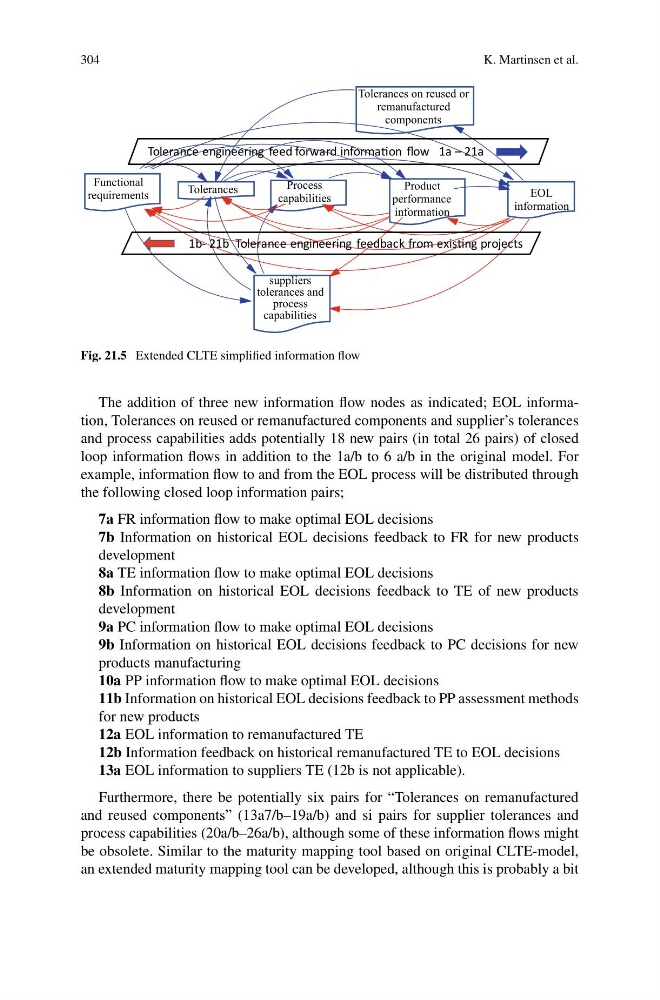
Fig. 21.5 Extended CLTE simplified information flow
The addition of three new information flow nodes as indicated; EOL information, Tolerances on reused or remanufactured components and supplier’s tolerances
and process capabilities adds potentially 18 new pairs (in total 26 pairs) of closed
loop information flows in addition to the 1a/b to 6 a/b in the original model. For
example, information flow to and from the EOL process will be distributed through
the following closed loop information pairs;
7a FR information flow to make optimal EOL decisions
7b Information on historical EOL decisions feedback to FR for new products
development
8a TE information flow to make optimal EOL decisions
8b Information on historical EOL decisions feedback to TE of new products
development
9a PC information flow to make optimal EOL decisions
9b Information on historical EOL decisions feedback to PC decisions for new
products manufacturing
10a PP information flow to make optimal EOL decisions
11b Information on historical EOL decisions feedback to PP assessment methods
for new products
12a EOL information to remanufactured TE
12b Information feedback on historical remanufactured TE to EOL decisions
13a EOL information to suppliers TE (12b is not applicable).
Furthermore, there be potentially six pairs for “Tolerances on remanufactured
and reused components” (13a7/b–19a/b) and si pairs for supplier tolerances and
process capabilities (20a/b–26a/b), although some of these information flows might
be obsolete. Similar to the maturity mapping tool based on original CLTE-model,
an extended maturity mapping tool can be developed, although this is probably a bit
K. Martinsen et al.
Functional
requirements
Tolerances
Process
capabilities
suppliers
tolerances and
process
capabilities
Tolerances on reused or
remanufactured
components
Product
performance
information
EOL
information
Tolerance engineering feed forward informaƟon flow 1a – 21a
1b- 21b Tolerance engineering feedback from exisƟng projects
Fig. 21.5 Extended CLTE simplified information flow
The addition of three new information flow nodes as indicated; EOL information, Tolerances on reused or remanufactured components and supplier’s tolerances
and process capabilities adds potentially 18 new pairs (in total 26 pairs) of closed
loop information flows in addition to the 1a/b to 6 a/b in the original model. For
example, information flow to and from the EOL process will be distributed through
the following closed loop information pairs;
7a FR information flow to make optimal EOL decisions
7b Information on historical EOL decisions feedback to FR for new products
development
8a TE information flow to make optimal EOL decisions
8b Information on historical EOL decisions feedback to TE of new products
development
9a PC information flow to make optimal EOL decisions
9b Information on historical EOL decisions feedback to PC decisions for new
products manufacturing
10a PP information flow to make optimal EOL decisions
11b Information on historical EOL decisions feedback to PP assessment methods
for new products
12a EOL information to remanufactured TE
12b Information feedback on historical remanufactured TE to EOL decisions
13a EOL information to suppliers TE (12b is not applicable).
Furthermore, there be potentially six pairs for “Tolerances on remanufactured
and reused components” (13a7/b–19a/b) and si pairs for supplier tolerances and
process capabilities (20a/b–26a/b), although some of these information flows might
be obsolete. Similar to the maturity mapping tool based on original CLTE-model,
an extended maturity mapping tool can be developed, although this is probably a bit