

8 Designing for Vehicle Recyclability from the Perspectives of Material …
105
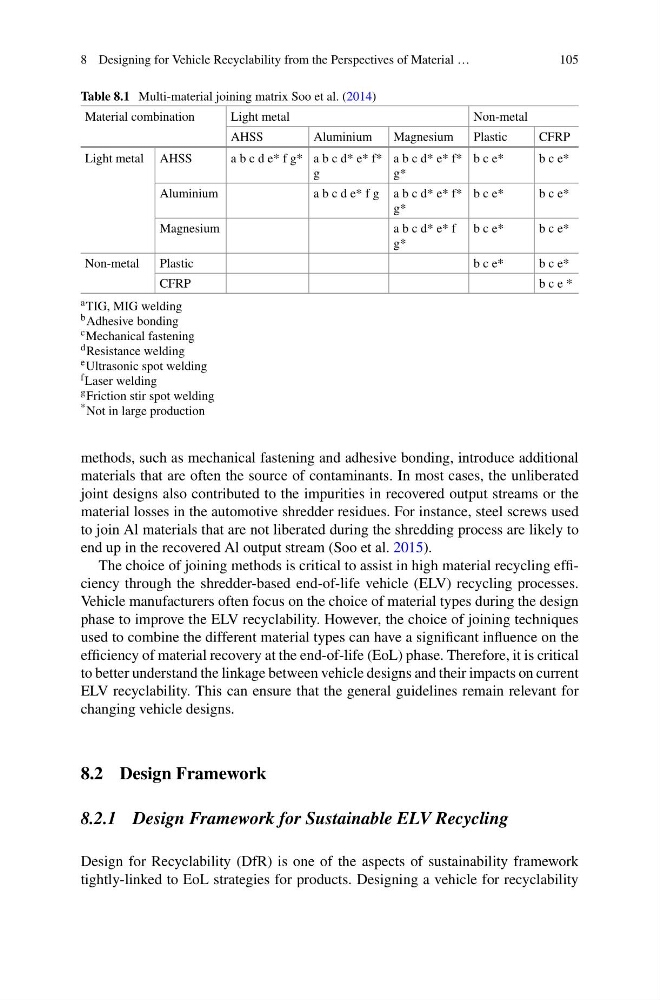
Table 8.1 Multi-material joining matrix Soo et al. (2014)
Material combination
Light metal
Non-metal
AHSS
Aluminium
Magnesium
Plastic
CFRP
Light metal AHSS
a b c d e* f g* a b c d* e* f*
g
a b c d* e* f*
g*
b c e*
b c e*
Aluminium
a b c d e* f g a b c d* e* f*
g*
b c e*
b c e*
Magnesium
a b c d* e* f
g*
b c e*
b c e*
Non-metal
Plastic
b c e*
b c e*
CFRP
b c e *
a TIG, MIG welding
b Adhesive bonding
c Mechanical fastening
d Resistance welding
e Ultrasonic spot welding
f Laser welding
g Friction stir spot welding
* Not in large production
methods, such as mechanical fastening and adhesive bonding, introduce additional
materials that are often the source of contaminants. In most cases, the unliberated
joint designs also contributed to the impurities in recovered output streams or the
material losses in the automotive shredder residues. For instance, steel screws used
to join Al materials that are not liberated during the shredding process are likely to
end up in the recovered Al output stream (Soo et al. 2015).
The choice of joining methods is critical to assist in high material recycling efficiency through the shredder-based end-of-life vehicle (ELV) recycling processes.
Vehicle manufacturers often focus on the choice of material types during the design
phase to improve the ELV recyclability. However, the choice of joining techniques
used to combine the different material types can have a significant influence on the
efficiency of material recovery at the end-of-life (EoL) phase. Therefore, it is critical
to better understand the linkage between vehicle designs and their impacts on current
ELV recyclability. This can ensure that the general guidelines remain relevant for
changing vehicle designs.
8.2 Design Framework
8.2.1 Design Framework for Sustainable ELV Recycling
Design for Recyclability (DfR) is one of the aspects of sustainability framework
tightly-linked to EoL strategies for products. Designing a vehicle for recyclability
105
Table 8.1 Multi-material joining matrix Soo et al. (2014)
Material combination
Light metal
Non-metal
AHSS
Aluminium
Magnesium
Plastic
CFRP
Light metal AHSS
a b c d e* f g* a b c d* e* f*
g
a b c d* e* f*
g*
b c e*
b c e*
Aluminium
a b c d e* f g a b c d* e* f*
g*
b c e*
b c e*
Magnesium
a b c d* e* f
g*
b c e*
b c e*
Non-metal
Plastic
b c e*
b c e*
CFRP
b c e *
a TIG, MIG welding
b Adhesive bonding
c Mechanical fastening
d Resistance welding
e Ultrasonic spot welding
f Laser welding
g Friction stir spot welding
* Not in large production
methods, such as mechanical fastening and adhesive bonding, introduce additional
materials that are often the source of contaminants. In most cases, the unliberated
joint designs also contributed to the impurities in recovered output streams or the
material losses in the automotive shredder residues. For instance, steel screws used
to join Al materials that are not liberated during the shredding process are likely to
end up in the recovered Al output stream (Soo et al. 2015).
The choice of joining methods is critical to assist in high material recycling efficiency through the shredder-based end-of-life vehicle (ELV) recycling processes.
Vehicle manufacturers often focus on the choice of material types during the design
phase to improve the ELV recyclability. However, the choice of joining techniques
used to combine the different material types can have a significant influence on the
efficiency of material recovery at the end-of-life (EoL) phase. Therefore, it is critical
to better understand the linkage between vehicle designs and their impacts on current
ELV recyclability. This can ensure that the general guidelines remain relevant for
changing vehicle designs.
8.2 Design Framework
8.2.1 Design Framework for Sustainable ELV Recycling
Design for Recyclability (DfR) is one of the aspects of sustainability framework
tightly-linked to EoL strategies for products. Designing a vehicle for recyclability