

178
A Multidisciplinary Synthetic Model: Including Evaluation
of the Evidence and Relation of Our Model to Earlier Ones
The emerging picture of ancestries in Peninsular Malaysia was first described by
Lipson et al. (2014) and followed by Norhalifah et al. (2016a). The Genetic Layer
Cake Model proposed by Norhalifah et al. (2016a) included pre-historical and historical migration events and socio-economic relationships (e.g., between Orang Asli
and Malays, and between Orang Asli tribes and sub-tribes) since the first century
among sub-populations in Peninsular Malaysia. Kusuma et al. (2016) demonstrated
the same approach taken by others to interpret the origins and migration patterns of
other genetically admixed Austronesian populations. Figure 6 shows three waves of
settlements in Peninsular Malaysia (Semang, Senoi and Proto-Malays) and was
inferred from linguistic, archaeological data discussed earlier, besides the latest evidence from genome wide studies (Lipson et al. 2014; Bellwood et al. 2011). The
Semang (also known as Australo-Papuan or Negrito) are the first to settle in
Peninsular Malaysia before migrating south and east towards Australia, Papua New
Guinea and the Philippines. The pre-Neolithic settlements of the Semang in
Peninsular Malaysia was followed by the Austroasiatic-speaking agricultural population (i.e. Senoi ), who migrated from Indochina and the Asian part of their genome
came in with Austroasiatic languages (i.e. a branch of Mon–Khmer of AustroAsiatic language family) about 4000 YBP (Norhalifah et al. 2016a; Blust 2013;
Andaya 2002; Saha et al. 1995).
This language was then adopted by the already settled Semang group but never
spread into Indonesia as far as we know. In contrast, Proto-Austronesian Neolithic
speakers of Southern China migrated and dispersed throughout Asia-Pacific region
as far as Madagascar in the west, and New Zealand in the east, via Taiwan,
Philippines and Borneo (Kusuma et al. 2016; Bellwood 1997). Austronesians
migrated from west to east along the northern coast and offshore islands of New
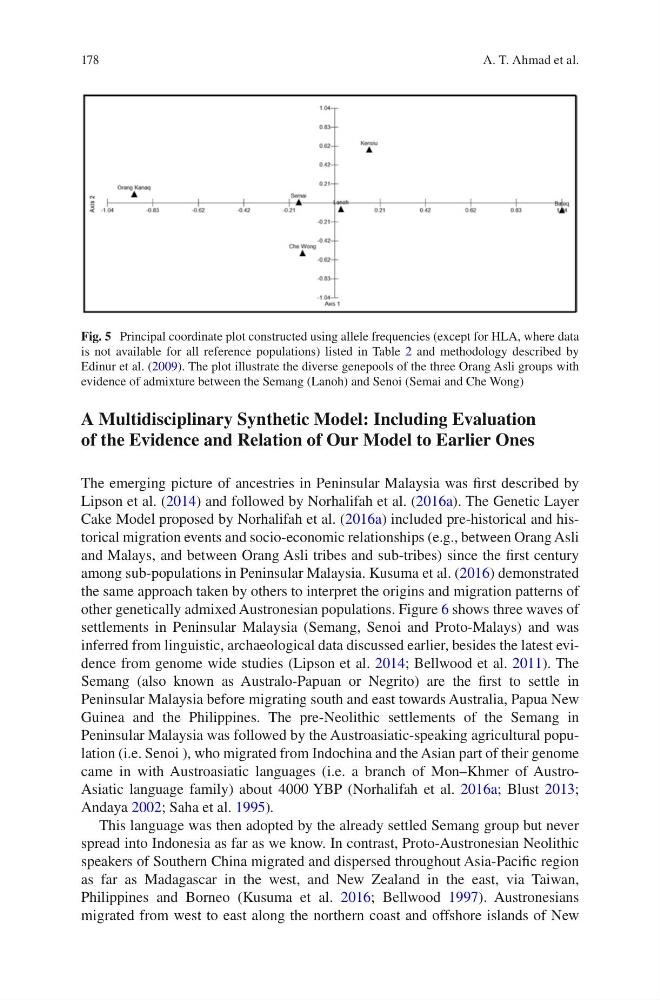
Fig. 5 Principal coordinate plot constructed using allele frequencies (except for HLA, where data
is not available for all reference populations) listed in Table 2 and methodology described by
Edinur et al. (2009). The plot illustrate the diverse genepools of the three Orang Asli groups with
evidence of admixture between the Semang (Lanoh) and Senoi (Semai and Che Wong)
A. T. Ahmad et al.
A Multidisciplinary Synthetic Model: Including Evaluation
of the Evidence and Relation of Our Model to Earlier Ones
The emerging picture of ancestries in Peninsular Malaysia was first described by
Lipson et al. (2014) and followed by Norhalifah et al. (2016a). The Genetic Layer
Cake Model proposed by Norhalifah et al. (2016a) included pre-historical and historical migration events and socio-economic relationships (e.g., between Orang Asli
and Malays, and between Orang Asli tribes and sub-tribes) since the first century
among sub-populations in Peninsular Malaysia. Kusuma et al. (2016) demonstrated
the same approach taken by others to interpret the origins and migration patterns of
other genetically admixed Austronesian populations. Figure 6 shows three waves of
settlements in Peninsular Malaysia (Semang, Senoi and Proto-Malays) and was
inferred from linguistic, archaeological data discussed earlier, besides the latest evidence from genome wide studies (Lipson et al. 2014; Bellwood et al. 2011). The
Semang (also known as Australo-Papuan or Negrito) are the first to settle in
Peninsular Malaysia before migrating south and east towards Australia, Papua New
Guinea and the Philippines. The pre-Neolithic settlements of the Semang in
Peninsular Malaysia was followed by the Austroasiatic-speaking agricultural population (i.e. Senoi ), who migrated from Indochina and the Asian part of their genome
came in with Austroasiatic languages (i.e. a branch of Mon–Khmer of AustroAsiatic language family) about 4000 YBP (Norhalifah et al. 2016a; Blust 2013;
Andaya 2002; Saha et al. 1995).
This language was then adopted by the already settled Semang group but never
spread into Indonesia as far as we know. In contrast, Proto-Austronesian Neolithic
speakers of Southern China migrated and dispersed throughout Asia-Pacific region
as far as Madagascar in the west, and New Zealand in the east, via Taiwan,
Philippines and Borneo (Kusuma et al. 2016; Bellwood 1997). Austronesians
migrated from west to east along the northern coast and offshore islands of New
Fig. 5 Principal coordinate plot constructed using allele frequencies (except for HLA, where data
is not available for all reference populations) listed in Table 2 and methodology described by
Edinur et al. (2009). The plot illustrate the diverse genepools of the three Orang Asli groups with
evidence of admixture between the Semang (Lanoh) and Senoi (Semai and Che Wong)
A. T. Ahmad et al.