

111
when drawing its own water reserves to digest the protein contained in the blood.
Furthermore, animals frequently carry diseases in their blood which may also cause
infections among humans. On the other hand, tofu and tempeh are great non-animal
protein sources which when consumed as meals are a healthier protein boost without the saturated fats found in animal proteins (Smith 2009).
7.3 The Need and Sources of Alternative Proteins
Economic, health and environmental demands stress the need for alternative sources
of proteins in the production of food. Large areas of grassland and cropland are
already needed to meet the demand of meat and dairy consumption. Agricultural
sector development is essential to ensuring food security and good nutrition for all,
but are additional environmental challenges (emissions and energy trends continue,
global warming). There are concerns over the depletion of fish stocks and impacts
on marine biodiversity (Westhoek et al. 2011). Shared fresh water resources and
food security are critical to human security concerns, while worldwide, cropland is
being lost to cities, industry, erosion, flooding. Salinization that accompanies big
irrigation schemes, is described as one of the gravest threats to irrigation agriculture
and food security. Water withdrawals are met at rate of natural groundwater recharging. Increasing reliance on nonrenewable groundwater is resulting in falling water
tables being recorded on every continent. Soils when degraded towards agricultural
production, the biodiversity of the region are reduced, leading to a loss of genetic
resources that could contribute to a diverse and sustainable agricultural system.
These losses jeopardize the food security of the local populations and ultimately
result in high economic and social costs. Alternative proteins are estimated to make
up 33% of global protein consumption by 2054, with algae and insects accounting
for about 18% and 11% of the alternative protein market, respectively. In part, sales
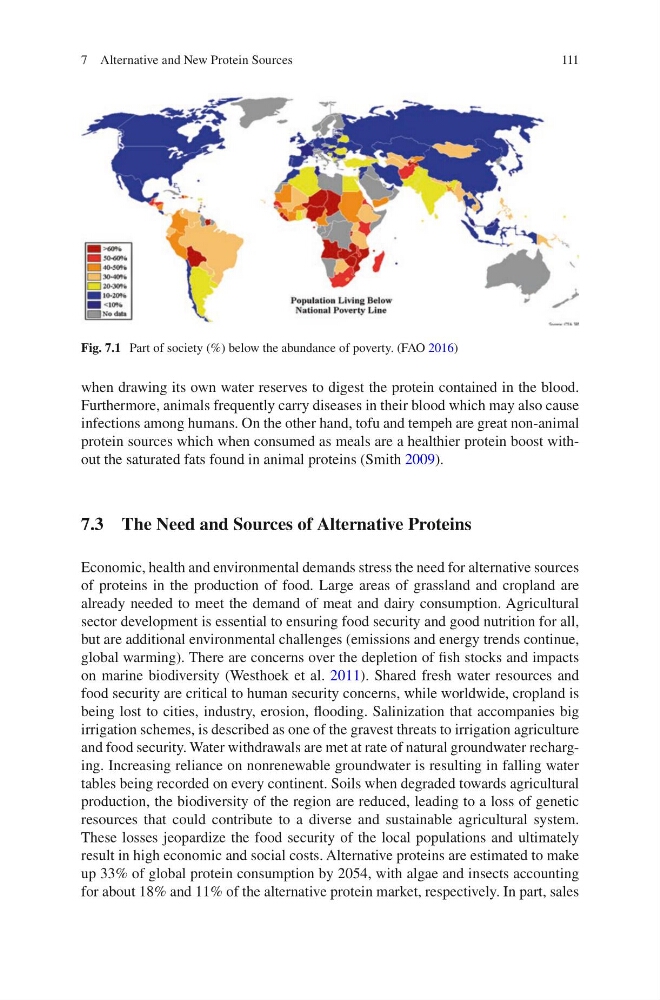
Fig. 7.1 Part of society (%) below the abundance of poverty. (FAO 2016)
7 Alternative and New Protein Sources
when drawing its own water reserves to digest the protein contained in the blood.
Furthermore, animals frequently carry diseases in their blood which may also cause
infections among humans. On the other hand, tofu and tempeh are great non-animal
protein sources which when consumed as meals are a healthier protein boost without the saturated fats found in animal proteins (Smith 2009).
7.3 The Need and Sources of Alternative Proteins
Economic, health and environmental demands stress the need for alternative sources
of proteins in the production of food. Large areas of grassland and cropland are
already needed to meet the demand of meat and dairy consumption. Agricultural
sector development is essential to ensuring food security and good nutrition for all,
but are additional environmental challenges (emissions and energy trends continue,
global warming). There are concerns over the depletion of fish stocks and impacts
on marine biodiversity (Westhoek et al. 2011). Shared fresh water resources and
food security are critical to human security concerns, while worldwide, cropland is
being lost to cities, industry, erosion, flooding. Salinization that accompanies big
irrigation schemes, is described as one of the gravest threats to irrigation agriculture
and food security. Water withdrawals are met at rate of natural groundwater recharging. Increasing reliance on nonrenewable groundwater is resulting in falling water
tables being recorded on every continent. Soils when degraded towards agricultural
production, the biodiversity of the region are reduced, leading to a loss of genetic
resources that could contribute to a diverse and sustainable agricultural system.
These losses jeopardize the food security of the local populations and ultimately
result in high economic and social costs. Alternative proteins are estimated to make
up 33% of global protein consumption by 2054, with algae and insects accounting
for about 18% and 11% of the alternative protein market, respectively. In part, sales
Fig. 7.1 Part of society (%) below the abundance of poverty. (FAO 2016)
7 Alternative and New Protein Sources