

Metropolitan (30); Ekurhuleni Metropolitan (11); Sedibeng District (13); and the
West Rand District (10).
14.4.2 Descriptive Analysis
The majority of households interviewed were females (915) and the same trend is
seen in the metropolitans and districts. The results are also in line with the Maponya
and Moja (2012) study in the Limpopo Province which indicated that female
households constitute a significant number of the economically active population
and that the female-headed households usually fall within the vulnerable, marginal,
and food insecure categories. Most households fall in the age category >56 years of
age (454) and very few households fall in the age category <35 years of age (128)
(Table 14.3). This shows an ageing population of households which could be critical
to household food security. The same age categories trend is seen in metropolitans
and districts. This indicates the need for youth involvement in the Homestead
Garden Programme, as any future agricultural development in the districts and
metropolitans should be tailor made to attract youth. In terms of educational attainment (Table 14.3), most households received secondary education (574), with a few
Locations
Locations
Zithobeni
Winterveld
Walmanstaal
Trust Farm
Thabatshwane
Temba
Soshanguve
Sokhulumi
Skoongesig
Rethabiseng
Onverwacht
Olievenhoutbosch
Nelmaphius
Marokolong
Mamelodi
Majaneng
Mabopane
Leeufontein
Kekana Gardens
Kanana
Kameeldrift
Itireleng
Hammanskraal
Garankua
Ekangala
Eesterus
Dewagendrift
Cullinan
Attridgeville
Stinkwater
50
Frequency
40
30
20
10
0
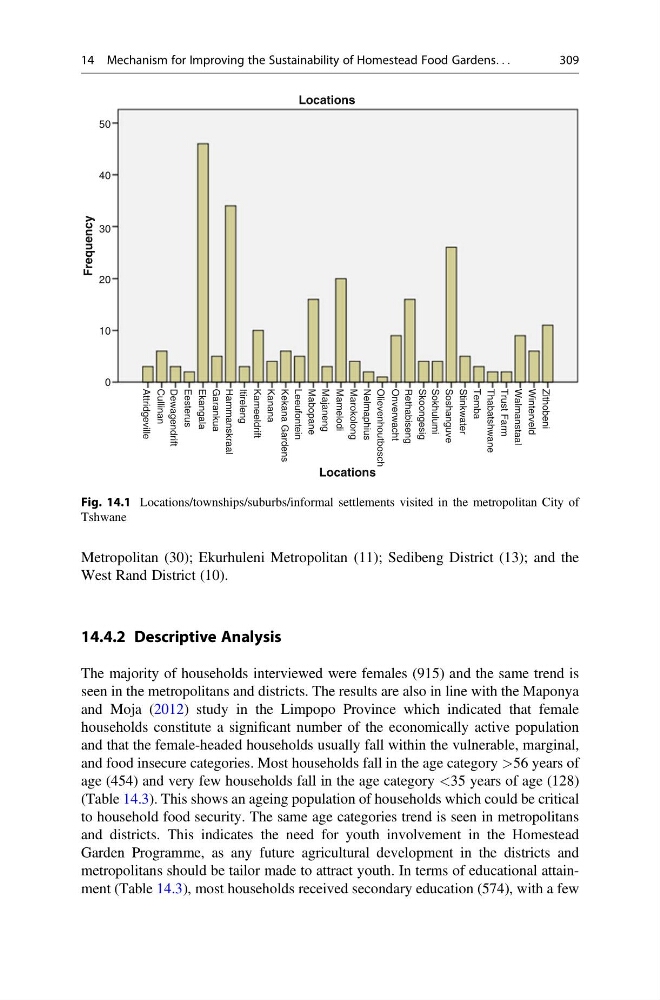
Fig. 14.1 Locations/townships/suburbs/informal settlements visited in the metropolitan City of
Tshwane
14 Mechanism for Improving the Sustainability of Homestead Food Gardens. . .
309
West Rand District (10).
14.4.2 Descriptive Analysis
The majority of households interviewed were females (915) and the same trend is
seen in the metropolitans and districts. The results are also in line with the Maponya
and Moja (2012) study in the Limpopo Province which indicated that female
households constitute a significant number of the economically active population
and that the female-headed households usually fall within the vulnerable, marginal,
and food insecure categories. Most households fall in the age category >56 years of
age (454) and very few households fall in the age category <35 years of age (128)
(Table 14.3). This shows an ageing population of households which could be critical
to household food security. The same age categories trend is seen in metropolitans
and districts. This indicates the need for youth involvement in the Homestead
Garden Programme, as any future agricultural development in the districts and
metropolitans should be tailor made to attract youth. In terms of educational attainment (Table 14.3), most households received secondary education (574), with a few
Locations
Locations
Zithobeni
Winterveld
Walmanstaal
Trust Farm
Thabatshwane
Temba
Soshanguve
Sokhulumi
Skoongesig
Rethabiseng
Onverwacht
Olievenhoutbosch
Nelmaphius
Marokolong
Mamelodi
Majaneng
Mabopane
Leeufontein
Kekana Gardens
Kanana
Kameeldrift
Itireleng
Hammanskraal
Garankua
Ekangala
Eesterus
Dewagendrift
Cullinan
Attridgeville
Stinkwater
50
Frequency
40
30
20
10
0
Fig. 14.1 Locations/townships/suburbs/informal settlements visited in the metropolitan City of
Tshwane
14 Mechanism for Improving the Sustainability of Homestead Food Gardens. . .
309