

treatment. Coagulation/flocculation efficiently decolorizes
effluent completely and reduces the total load of pollutants.
Coagulation/flocculation process has been found to be cost
effective, easy to operate and energy-saving treatment
alternatives. However, the major limitations of
coagulationflocculation process are the sludge production
and ineffective color degradation of decolorization of some
soluble dyes (Sabur et al. 2012).
Chemical coagulants (Table 2) can be categorized based
on the effectiveness to decolorize the dye, however, the
efficiency depends on the characteristics of raw wastewater,
pH and temperature of the solution, the type and dosage of
coagulants, and the intensity and duration of mixing.
Among the three categorized coagulants, pre-hydrolyzed
metallic salts are more effective than the hydrolyzing metallic
salts due to efficient dye decolorization and low sludge production. In textile industries, most of the dyes used are of
negatively charged. Therefore, cationic polymer coagulants
are often chosen for efficient dye removal and degradation.
Table 3 summarized some of the chemical coagulants and
their efficiency in textile wastewater treatment.
Coagulation/flocculation offers complete decomposition
of dye from textile wastewater without intermediate
by-products, therefore, this process is totally harmless and
non-toxic. Despite its effectiveness in decolorization of
waste stream, the coagulation process also has some limitations. Some highly soluble and low molecular weight
cationic dyes might be unaffected by coagulation/
flocculation process in addition to the need for disposal of
the sludge. Furthermore, the sludge production only can be
reduced by the elimination of low volume of the highly
colored dye bath by direct chemical treatment after the
dyeing process (Golob et al. 2005). In addition, coagulation/
flocculation is a complicated process. It involves a series of
physical–chemical interactions which are electrostatic
attraction, sorption, bridging and inclusion in metal precipitates. Although coagulation/flocculation has been widely
employed in textile wastewater treatment, to maximize the
dye removal and reduce the chemical consumptions, the
operating conditions depend on the particular characteristics
of the textile effluents which need to be carefully examine.
2.2 Adsorption
Adsorption is a phenomenon on the surface where a fluid of
multiple component is attached to the surface of a solid
adsorbent to form attachments via physical or chemical bond
(Sasaki et al. 2014). The substance that remains on the solid
surface is known as adsorbent, whereas the removed material
is termed as adsorbate. It also employed as a stage of integrated
of various wastewater treatment processes which are physical,
chemical and biological method (Geenens et al. 2001).
In general, there are four consecutive steps during the
adsorption process of dye molecules (Seow and Lim 2016).
The first step starts with the dispersion or convection of dye
molecules through the bulk of solution. Next, the dye pigments diffuse into the boundary layer or known as film
diffusion and followed by the diffusion from the surface
layer onto the interior of adsorbent materials. The dye pigments then attach to the material surface due to the interaction between molecules. There are several factors that
Utilization of energy
and natural sources,
such as fuel,
electricity and water
Production of
wastewater
containing various
contaminants that
requires treatment
before discharging
into the surface
water
Consumption of
harmful chemicals
for dyeing and
printing processes
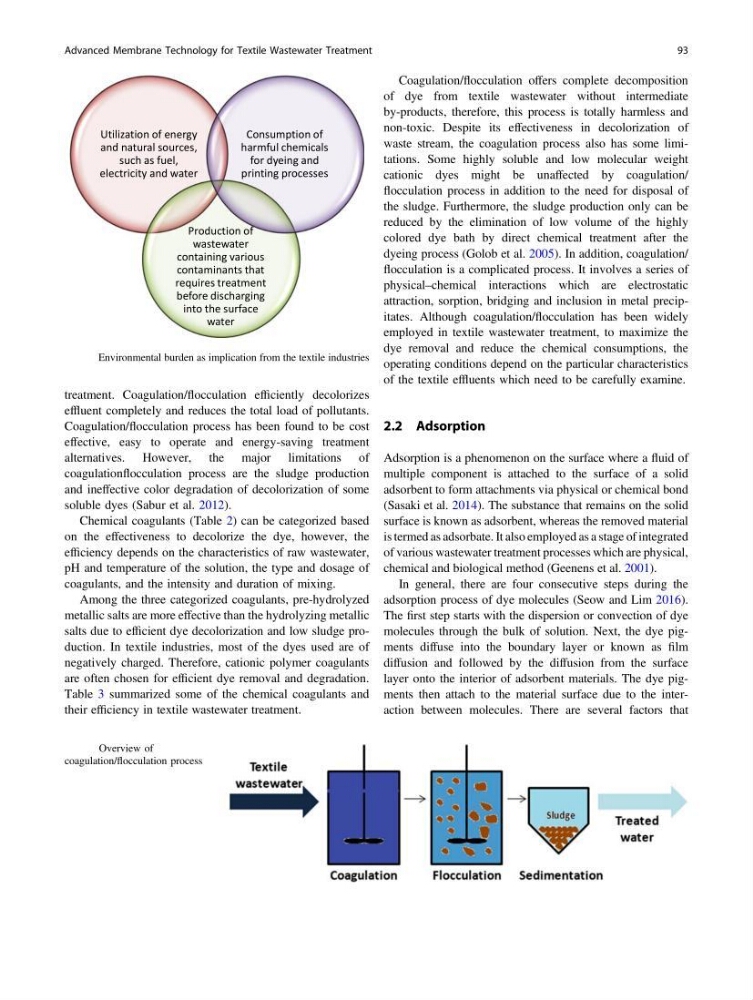
Fig. 2 Environmental burden as implication from the textile industries
Fig. 3 Overview of
coagulation/flocculation process
Advanced Membrane Technology for Textile Wastewater Treatment
93
effluent completely and reduces the total load of pollutants.
Coagulation/flocculation process has been found to be cost
effective, easy to operate and energy-saving treatment
alternatives. However, the major limitations of
coagulationflocculation process are the sludge production
and ineffective color degradation of decolorization of some
soluble dyes (Sabur et al. 2012).
Chemical coagulants (Table 2) can be categorized based
on the effectiveness to decolorize the dye, however, the
efficiency depends on the characteristics of raw wastewater,
pH and temperature of the solution, the type and dosage of
coagulants, and the intensity and duration of mixing.
Among the three categorized coagulants, pre-hydrolyzed
metallic salts are more effective than the hydrolyzing metallic
salts due to efficient dye decolorization and low sludge production. In textile industries, most of the dyes used are of
negatively charged. Therefore, cationic polymer coagulants
are often chosen for efficient dye removal and degradation.
Table 3 summarized some of the chemical coagulants and
their efficiency in textile wastewater treatment.
Coagulation/flocculation offers complete decomposition
of dye from textile wastewater without intermediate
by-products, therefore, this process is totally harmless and
non-toxic. Despite its effectiveness in decolorization of
waste stream, the coagulation process also has some limitations. Some highly soluble and low molecular weight
cationic dyes might be unaffected by coagulation/
flocculation process in addition to the need for disposal of
the sludge. Furthermore, the sludge production only can be
reduced by the elimination of low volume of the highly
colored dye bath by direct chemical treatment after the
dyeing process (Golob et al. 2005). In addition, coagulation/
flocculation is a complicated process. It involves a series of
physical–chemical interactions which are electrostatic
attraction, sorption, bridging and inclusion in metal precipitates. Although coagulation/flocculation has been widely
employed in textile wastewater treatment, to maximize the
dye removal and reduce the chemical consumptions, the
operating conditions depend on the particular characteristics
of the textile effluents which need to be carefully examine.
2.2 Adsorption
Adsorption is a phenomenon on the surface where a fluid of
multiple component is attached to the surface of a solid
adsorbent to form attachments via physical or chemical bond
(Sasaki et al. 2014). The substance that remains on the solid
surface is known as adsorbent, whereas the removed material
is termed as adsorbate. It also employed as a stage of integrated
of various wastewater treatment processes which are physical,
chemical and biological method (Geenens et al. 2001).
In general, there are four consecutive steps during the
adsorption process of dye molecules (Seow and Lim 2016).
The first step starts with the dispersion or convection of dye
molecules through the bulk of solution. Next, the dye pigments diffuse into the boundary layer or known as film
diffusion and followed by the diffusion from the surface
layer onto the interior of adsorbent materials. The dye pigments then attach to the material surface due to the interaction between molecules. There are several factors that
Utilization of energy
and natural sources,
such as fuel,
electricity and water
Production of
wastewater
containing various
contaminants that
requires treatment
before discharging
into the surface
water
Consumption of
harmful chemicals
for dyeing and
printing processes
Fig. 2 Environmental burden as implication from the textile industries
Fig. 3 Overview of
coagulation/flocculation process
Advanced Membrane Technology for Textile Wastewater Treatment
93