

lists some of these biopolymers with their associated
characteristics.
In addition to the environmental point of view, it can be
seen that some biopolymers offer the advantage to be cheap
and naturally abundant. Another approach consists of
choosing a targeted biopolymer in order to take advantage of
its special characteristic. For instance, thanks to its ability of
chelating to metal ions, alginate has been used for to fabricate membranes showing enhanced copper adsorption
capacity (Paiva et al. 2012).
Another attractive area for the development of new
membrane materials is the use of copolymers (Ladewig and
Al-Shaeli 2017; Zhang et al. 2018). Indeed, owing to their
myriad chemical functionalities, copolymers are very interesting for the fabrication of membranes with tailored
properties.
There is one family of polymers, not cited in Table 3,
belonging to the biopolymers and copolymers, the polyhydroxyalkanoates (PHAs). Hence, by combining the environmental advantage of biopolymers and versatile properties
of copolymers, PHAs are of prime interest for membrane
filtration applications.
2 Polyhydroxyalkanoates (PHAs)
2.1 PHAs Properties
In 1925, the French scientist Lemoigne discovered the
presence of polyhydroxybutyrate polymer granules inside
bacteria acting as energy storage (Chee et al. 2010; Dawes
and Senior 1973). Since then, the polymers produced by
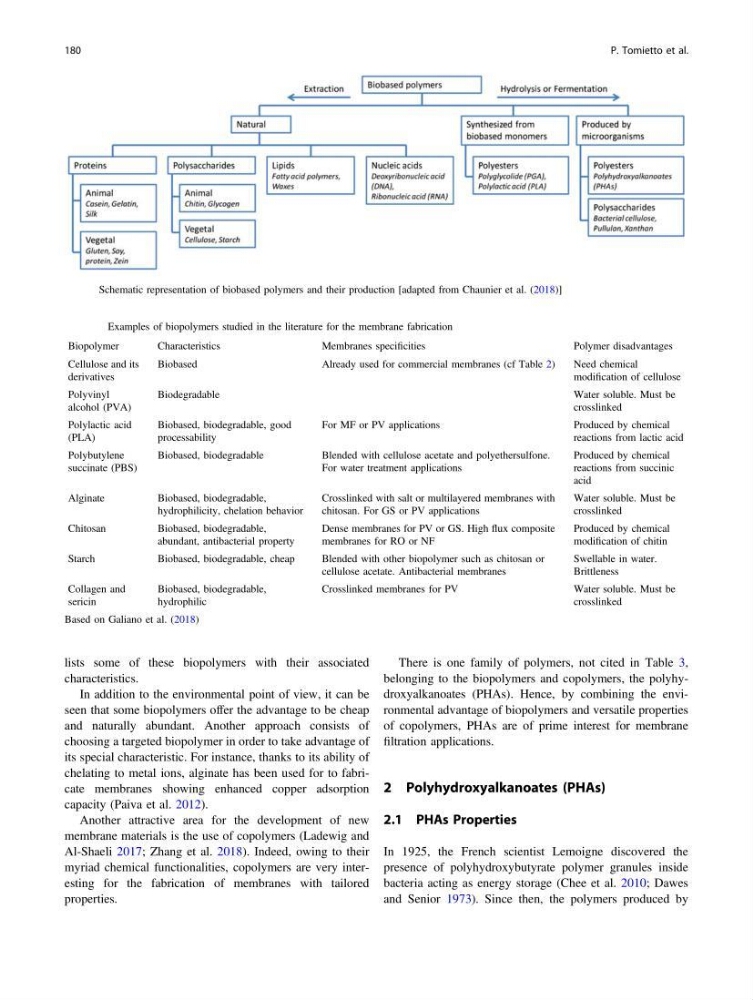
Fig. 2 Schematic representation of biobased polymers and their production [adapted from Chaunier et al. (2018)]
Table 3 Examples of biopolymers studied in the literature for the membrane fabrication
Biopolymer
Characteristics
Membranes specificities
Polymer disadvantages
Cellulose and its
derivatives
Biobased
Already used for commercial membranes (cf Table 2)
Need chemical
modification of cellulose
Polyvinyl
alcohol (PVA)
Biodegradable
Water soluble. Must be
crosslinked
Polylactic acid
(PLA)
Biobased, biodegradable, good
processability
For MF or PV applications
Produced by chemical
reactions from lactic acid
Polybutylene
succinate (PBS)
Biobased, biodegradable
Blended with cellulose acetate and polyethersulfone.
For water treatment applications
Produced by chemical
reactions from succinic
acid
Alginate
Biobased, biodegradable,
hydrophilicity, chelation behavior
Crosslinked with salt or multilayered membranes with
chitosan. For GS or PV applications
Water soluble. Must be
crosslinked
Chitosan
Biobased, biodegradable,
abundant, antibacterial property
Dense membranes for PV or GS. High flux composite
membranes for RO or NF
Produced by chemical
modification of chitin
Starch
Biobased, biodegradable, cheap
Blended with other biopolymer such as chitosan or
cellulose acetate. Antibacterial membranes
Swellable in water.
Brittleness
Collagen and
sericin
Biobased, biodegradable,
hydrophilic
Crosslinked membranes for PV
Water soluble. Must be
crosslinked
Based on Galiano et al. (2018)
180
P. Tomietto et al.
characteristics.
In addition to the environmental point of view, it can be
seen that some biopolymers offer the advantage to be cheap
and naturally abundant. Another approach consists of
choosing a targeted biopolymer in order to take advantage of
its special characteristic. For instance, thanks to its ability of
chelating to metal ions, alginate has been used for to fabricate membranes showing enhanced copper adsorption
capacity (Paiva et al. 2012).
Another attractive area for the development of new
membrane materials is the use of copolymers (Ladewig and
Al-Shaeli 2017; Zhang et al. 2018). Indeed, owing to their
myriad chemical functionalities, copolymers are very interesting for the fabrication of membranes with tailored
properties.
There is one family of polymers, not cited in Table 3,
belonging to the biopolymers and copolymers, the polyhydroxyalkanoates (PHAs). Hence, by combining the environmental advantage of biopolymers and versatile properties
of copolymers, PHAs are of prime interest for membrane
filtration applications.
2 Polyhydroxyalkanoates (PHAs)
2.1 PHAs Properties
In 1925, the French scientist Lemoigne discovered the
presence of polyhydroxybutyrate polymer granules inside
bacteria acting as energy storage (Chee et al. 2010; Dawes
and Senior 1973). Since then, the polymers produced by
Fig. 2 Schematic representation of biobased polymers and their production [adapted from Chaunier et al. (2018)]
Table 3 Examples of biopolymers studied in the literature for the membrane fabrication
Biopolymer
Characteristics
Membranes specificities
Polymer disadvantages
Cellulose and its
derivatives
Biobased
Already used for commercial membranes (cf Table 2)
Need chemical
modification of cellulose
Polyvinyl
alcohol (PVA)
Biodegradable
Water soluble. Must be
crosslinked
Polylactic acid
(PLA)
Biobased, biodegradable, good
processability
For MF or PV applications
Produced by chemical
reactions from lactic acid
Polybutylene
succinate (PBS)
Biobased, biodegradable
Blended with cellulose acetate and polyethersulfone.
For water treatment applications
Produced by chemical
reactions from succinic
acid
Alginate
Biobased, biodegradable,
hydrophilicity, chelation behavior
Crosslinked with salt or multilayered membranes with
chitosan. For GS or PV applications
Water soluble. Must be
crosslinked
Chitosan
Biobased, biodegradable,
abundant, antibacterial property
Dense membranes for PV or GS. High flux composite
membranes for RO or NF
Produced by chemical
modification of chitin
Starch
Biobased, biodegradable, cheap
Blended with other biopolymer such as chitosan or
cellulose acetate. Antibacterial membranes
Swellable in water.
Brittleness
Collagen and
sericin
Biobased, biodegradable,
hydrophilic
Crosslinked membranes for PV
Water soluble. Must be
crosslinked
Based on Galiano et al. (2018)
180
P. Tomietto et al.