

condition is subsequently providing a good condition for the
aerobic treatment process to take place. Hence, the anaerobic
digestion process is known to plays a vital role in determining the efficiency of the biological treatment of the textile wastewater treatment. Up to the present time, there are
many anaerobic processes used in the dyeing and textile
wastewater treatment such as up-flow anaerobic fluidized
bed (UABF), anaerobic biological filter, up-flow anaerobic
sludge bed (UASB) and anaerobic baffled reactor (ABR).
3 Advanced Membrane Separation
for Textile Wastewater Treatment Process
Membrane technology has gained a great attention and frequently utilized in the chemical processing and technologies.
The usage of this technology is mainly due to the capacity of
this technique to meet the separation requirement in various
applications including wastewater treatment. Additionally,
this technique is capable of producing stable water in the
absence of chemicals consumption as well as relatively low
energy requirement. This technique can be subdivided into
several types of operation depending on the membrane pore
size and the application of the treatment.
3.1 Reverse Osmosis
One of the common membrane configurations that are
intensely researched upon in the field of membrane technology is reverse osmosis (RO). RO is defined as a water
purification process which employs a partially permeable
membrane for the removal of ions, unwanted molecules and
larger particles from water bodies (Jiang et al. 2017). Unlike
osmosis, which is a natural process where a water molecule
moves from a solution of lower solute concentration to a
solution on higher solute concentration across a semipermeable membrane, reverse osmosis requires pressure to
be exerted on the salt side and forces the water to permeate
through the semi-permeable membrane, leaving only
unwanted salt and particulates behind (Shenvi et al. 2015).
As per current literature and technology, RO is heavily used
for desalination to produce clean water from seawater.
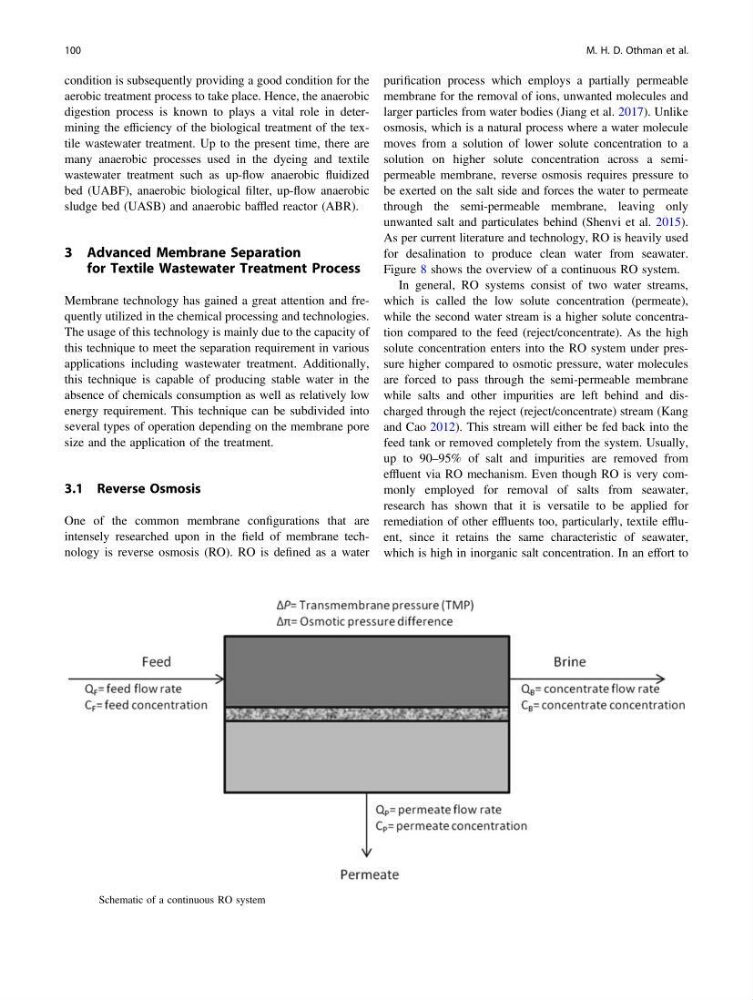
Figure 8 shows the overview of a continuous RO system.
In general, RO systems consist of two water streams,
which is called the low solute concentration (permeate),
while the second water stream is a higher solute concentration compared to the feed (reject/concentrate). As the high
solute concentration enters into the RO system under pressure higher compared to osmotic pressure, water molecules
are forced to pass through the semi-permeable membrane
while salts and other impurities are left behind and discharged through the reject (reject/concentrate) stream (Kang
and Cao 2012). This stream will either be fed back into the
feed tank or removed completely from the system. Usually,
up to 90–95% of salt and impurities are removed from
effluent via RO mechanism. Even though RO is very commonly employed for removal of salts from seawater,
research has shown that it is versatile to be applied for
remediation of other effluents too, particularly, textile effluent, since it retains the same characteristic of seawater,
which is high in inorganic salt concentration. In an effort to
Fig. 8 Schematic of a continuous RO system
100
M. H. D. Othman et al.
aerobic treatment process to take place. Hence, the anaerobic
digestion process is known to plays a vital role in determining the efficiency of the biological treatment of the textile wastewater treatment. Up to the present time, there are
many anaerobic processes used in the dyeing and textile
wastewater treatment such as up-flow anaerobic fluidized
bed (UABF), anaerobic biological filter, up-flow anaerobic
sludge bed (UASB) and anaerobic baffled reactor (ABR).
3 Advanced Membrane Separation
for Textile Wastewater Treatment Process
Membrane technology has gained a great attention and frequently utilized in the chemical processing and technologies.
The usage of this technology is mainly due to the capacity of
this technique to meet the separation requirement in various
applications including wastewater treatment. Additionally,
this technique is capable of producing stable water in the
absence of chemicals consumption as well as relatively low
energy requirement. This technique can be subdivided into
several types of operation depending on the membrane pore
size and the application of the treatment.
3.1 Reverse Osmosis
One of the common membrane configurations that are
intensely researched upon in the field of membrane technology is reverse osmosis (RO). RO is defined as a water
purification process which employs a partially permeable
membrane for the removal of ions, unwanted molecules and
larger particles from water bodies (Jiang et al. 2017). Unlike
osmosis, which is a natural process where a water molecule
moves from a solution of lower solute concentration to a
solution on higher solute concentration across a semipermeable membrane, reverse osmosis requires pressure to
be exerted on the salt side and forces the water to permeate
through the semi-permeable membrane, leaving only
unwanted salt and particulates behind (Shenvi et al. 2015).
As per current literature and technology, RO is heavily used
for desalination to produce clean water from seawater.
Figure 8 shows the overview of a continuous RO system.
In general, RO systems consist of two water streams,
which is called the low solute concentration (permeate),
while the second water stream is a higher solute concentration compared to the feed (reject/concentrate). As the high
solute concentration enters into the RO system under pressure higher compared to osmotic pressure, water molecules
are forced to pass through the semi-permeable membrane
while salts and other impurities are left behind and discharged through the reject (reject/concentrate) stream (Kang
and Cao 2012). This stream will either be fed back into the
feed tank or removed completely from the system. Usually,
up to 90–95% of salt and impurities are removed from
effluent via RO mechanism. Even though RO is very commonly employed for removal of salts from seawater,
research has shown that it is versatile to be applied for
remediation of other effluents too, particularly, textile effluent, since it retains the same characteristic of seawater,
which is high in inorganic salt concentration. In an effort to
Fig. 8 Schematic of a continuous RO system
100
M. H. D. Othman et al.