

process, the presence of the facultative and anaerobic bacteria has facilitated the decomposition of the heterocyclic
organic matter, macromolecules and other recalcitrant
biodegradable organic matters into smaller organic matter
molecules. This has subsequently increasing the biodegradability of the matter and the wastewater as well as destructing the colored group of the dye, thus, degrading the color
of the wastewater. In addition, the assistance of the
anaerobic bacteria in decomposing the molecular structure of
the colored material and the organic matter has eased the
decomposition and decolorization of the wastewater in the
aerobic condition. On the other hand, the anaerobic treatment process has significantly changed the pH of the
wastewater. The treated wastewater in the hydrolysis tank
usually decreased its pH value up to 1.5 unit, thus, neutralized the alkalinity of the sewage to about pH 8. This
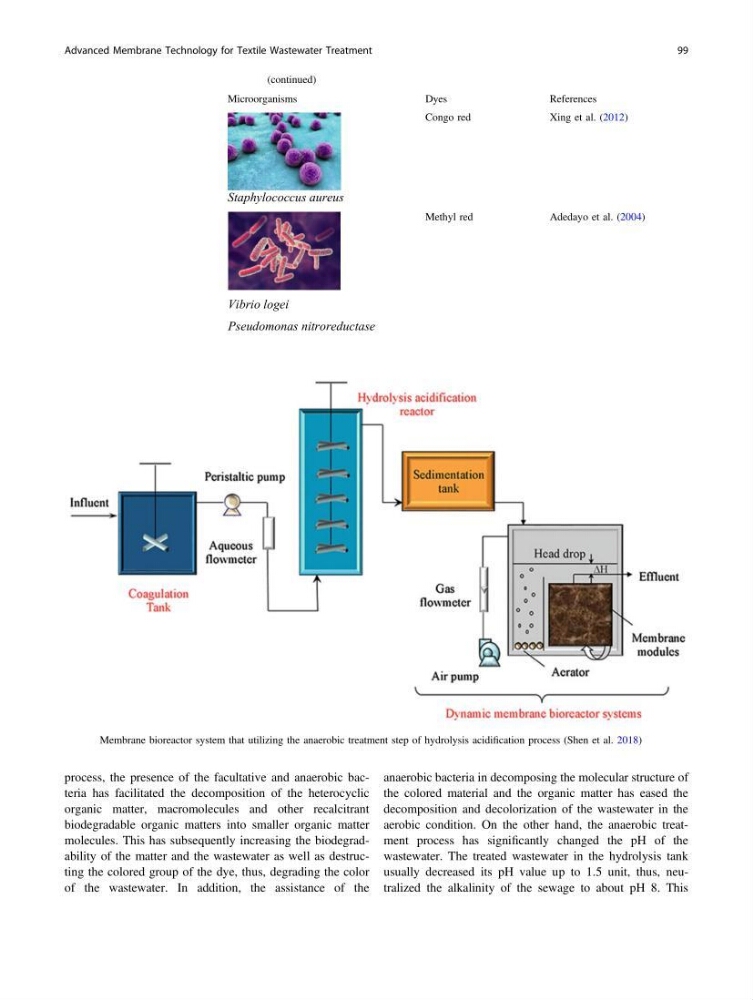
Fig. 7 Membrane bioreactor system that utilizing the anaerobic treatment step of hydrolysis acidification process (Shen et al. 2018)
Table 6 (continued)
Microorganisms
Dyes
References
Staphylococcus aureus
Congo red
Xing et al. (2012)
Vibrio logei
Pseudomonas nitroreductase
Methyl red
Adedayo et al. (2004)
Advanced Membrane Technology for Textile Wastewater Treatment
99
organic matter, macromolecules and other recalcitrant
biodegradable organic matters into smaller organic matter
molecules. This has subsequently increasing the biodegradability of the matter and the wastewater as well as destructing the colored group of the dye, thus, degrading the color
of the wastewater. In addition, the assistance of the
anaerobic bacteria in decomposing the molecular structure of
the colored material and the organic matter has eased the
decomposition and decolorization of the wastewater in the
aerobic condition. On the other hand, the anaerobic treatment process has significantly changed the pH of the
wastewater. The treated wastewater in the hydrolysis tank
usually decreased its pH value up to 1.5 unit, thus, neutralized the alkalinity of the sewage to about pH 8. This
Fig. 7 Membrane bioreactor system that utilizing the anaerobic treatment step of hydrolysis acidification process (Shen et al. 2018)
Table 6 (continued)
Microorganisms
Dyes
References
Staphylococcus aureus
Congo red
Xing et al. (2012)
Vibrio logei
Pseudomonas nitroreductase
Methyl red
Adedayo et al. (2004)
Advanced Membrane Technology for Textile Wastewater Treatment
99