

reported on the use of magnetic anion-exchange resin in
eliminating the non-biodegradable DOM consisted in the
textile wastewater (Fan et al. 2014). However, the application of the ion-exchange resin is restricted due to the
immobility, expensive and low flux challenges.
2.4 Oxidation
Oxidation process is one of basic process in fundamental of
chemistry. It defined as a process of electron/s loss by an
element in a chemical reaction. The element that responsible
for the loss of electron/s called oxidizing agent or oxidant.
This process of reaction happened between a compound and
oxygen gas which is the quintessential oxidizer where the
oxygen is reduced in the reaction, but it causes oxidation for
the chemical substances with high oxidation states (Bajpai
2018). For example, the oxidation that occurs in H 2 O
chemical reaction, and the hydrogen is oxidized by oxygen
which acts as oxidizing agent.
Full reaction : 2H 2 þ O 2 ! 2H 2 O
Half-reaction : H ! H
þ
þ e
À
O
2
þ 2e
À
! O
2À
Oxidation process is widely applied in textile wastewater
treatment for dyes degradation. The main concern of oxidation process is the decolorization of textile effluent by
various chemical method. Table 5 shows the relative oxidation potentials of several chemical oxidizers.
Among the oxidizing agents, hydrogen peroxide (H 2 O 2 )
is among the strongest existing oxidizing agents. Variously
activated to form hydroxyl radicals (OH), H 2 O 2 are able to
decolorize a wide range of dyes effluents Fenton reaction is a
first method to activate OH radical formation from H 2 O 2 ,
where in this reaction, hydrogen peroxide is added to an
acidic solution (pH = 2–3) containing Fe
2+ ions. The Fenton
reaction is exothermic, however, in large scale plant, the
reaction is commonly carried out at ambient temperature and
large excess of iron and H 2 O 2 . Although widely applied for
dyes degradation, the significant addition of acid and alkali
to reach the optimum pH, the need to reduce the residual
iron concentration, and high sludge production becomes the
major limitations of oxidation by hydrogen peroxides (Lin
and Chen 1997) (Fig. 6).
In the meantime, ozone (O 3 ) is a powerful disinfection
and a strong oxidant agent to remove color and odor,
eliminating trace toxic synthetic organic compounds and
assisting in coagulation. Fine bubble contactor is the most
widely used conventional ozone generator used due to its
high performance and 90% of ozone transfer (Zhou and
Smith 2002). However, the concentration and types of dye
will affect the increase in biodegradability index of textile
wastewater. O 3 at 300 mg/dm
3 increased the biodegradability index by 1.6 times meanwhile biodegradability index
was increased 11–66 times for azo dye wastewater. Furthermore, the biodegradability index increased to 80 times
for simulated reactive dye and reactive yellow 84 textile
wastewater (Koch et al. 2002). O 3 decolorize all dyes, except
non-soluble disperse and reactive dyes which react slowly
and take longer time. However, the color removal from
textile wastewater is depended on dye concentration. In this
regard, higher initial dye concentration of textile wastewater
causes more ozone consumption which enhances mass
transfer that causes an increase in ozone concentration in
liquid phase, which increase color removal. In addition,
increasing the temperature from 25 to 50 °C and increasing
pH solution color removal efficiency increased with dye
concentration (Al-Kdasi et al. 2004).
Ozone oxidation is very effective in the removal of most
of the dyes with the double bond. Ozonation can easily break
the double bond, hence, offers fast decolorizing process for
textile wastewater treatment. In addition, ozonation can
inhibit the foaming properties of residual surfactants and
oxidize a significant portion of COD without increases the
volume of wastewater or the sludge production. The ozone
oxidation is applied in various applications, especially in
final polishing treatment. However, up-stream treatments
such as filtration are required to reduce the suspended oxidizing agents and increase the decolorization performance
(Wang et al. 2011).
2.5 Biological Treatment
2.5.1 Aerobic Process
Despite the fact that many physical and chemical treatment
resulted in incomplete degradation of dyes and number of
researches conducted on exploring the ability of bacteria,
fungi and algae to treat dye wastewater, many findings are
the capability of pure culture to decolorize the dye. Typically, the color decoloration by bacterial strains is triggered
by azoreductase-catalyzed anaerobic decrease or cleavage of
dye bonds accompanied by aerobic or anaerobic degradation
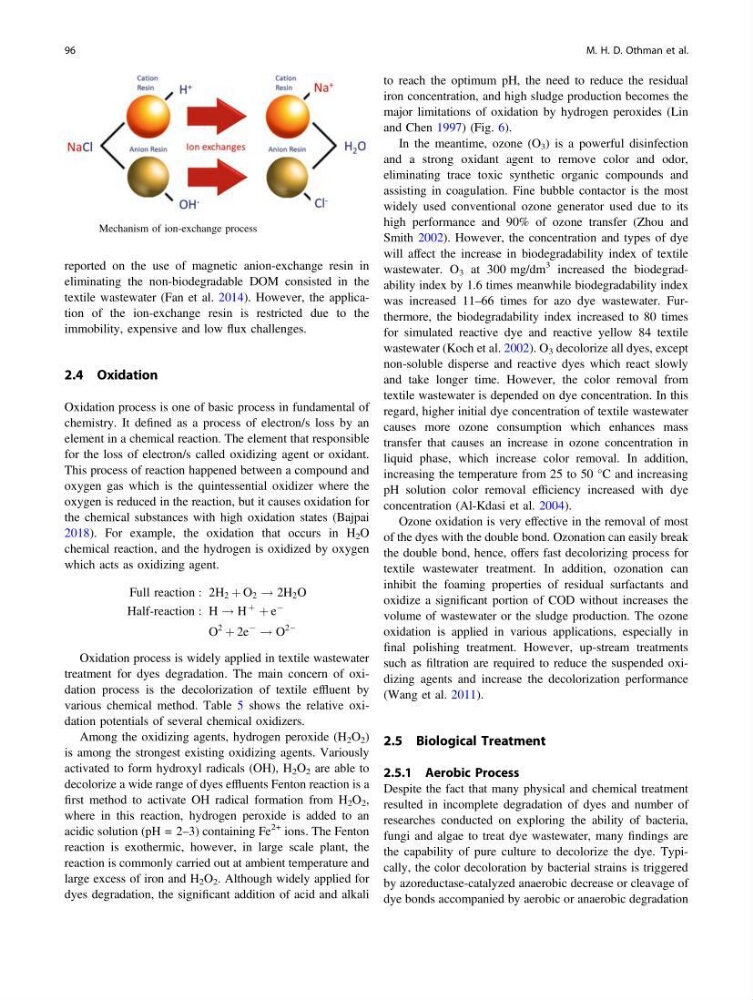
Fig. 5 Mechanism of ion-exchange process
96
M. H. D. Othman et al.
eliminating the non-biodegradable DOM consisted in the
textile wastewater (Fan et al. 2014). However, the application of the ion-exchange resin is restricted due to the
immobility, expensive and low flux challenges.
2.4 Oxidation
Oxidation process is one of basic process in fundamental of
chemistry. It defined as a process of electron/s loss by an
element in a chemical reaction. The element that responsible
for the loss of electron/s called oxidizing agent or oxidant.
This process of reaction happened between a compound and
oxygen gas which is the quintessential oxidizer where the
oxygen is reduced in the reaction, but it causes oxidation for
the chemical substances with high oxidation states (Bajpai
2018). For example, the oxidation that occurs in H 2 O
chemical reaction, and the hydrogen is oxidized by oxygen
which acts as oxidizing agent.
Full reaction : 2H 2 þ O 2 ! 2H 2 O
Half-reaction : H ! H
þ
þ e
À
O
2
þ 2e
À
! O
2À
Oxidation process is widely applied in textile wastewater
treatment for dyes degradation. The main concern of oxidation process is the decolorization of textile effluent by
various chemical method. Table 5 shows the relative oxidation potentials of several chemical oxidizers.
Among the oxidizing agents, hydrogen peroxide (H 2 O 2 )
is among the strongest existing oxidizing agents. Variously
activated to form hydroxyl radicals (OH), H 2 O 2 are able to
decolorize a wide range of dyes effluents Fenton reaction is a
first method to activate OH radical formation from H 2 O 2 ,
where in this reaction, hydrogen peroxide is added to an
acidic solution (pH = 2–3) containing Fe
2+ ions. The Fenton
reaction is exothermic, however, in large scale plant, the
reaction is commonly carried out at ambient temperature and
large excess of iron and H 2 O 2 . Although widely applied for
dyes degradation, the significant addition of acid and alkali
to reach the optimum pH, the need to reduce the residual
iron concentration, and high sludge production becomes the
major limitations of oxidation by hydrogen peroxides (Lin
and Chen 1997) (Fig. 6).
In the meantime, ozone (O 3 ) is a powerful disinfection
and a strong oxidant agent to remove color and odor,
eliminating trace toxic synthetic organic compounds and
assisting in coagulation. Fine bubble contactor is the most
widely used conventional ozone generator used due to its
high performance and 90% of ozone transfer (Zhou and
Smith 2002). However, the concentration and types of dye
will affect the increase in biodegradability index of textile
wastewater. O 3 at 300 mg/dm
3 increased the biodegradability index by 1.6 times meanwhile biodegradability index
was increased 11–66 times for azo dye wastewater. Furthermore, the biodegradability index increased to 80 times
for simulated reactive dye and reactive yellow 84 textile
wastewater (Koch et al. 2002). O 3 decolorize all dyes, except
non-soluble disperse and reactive dyes which react slowly
and take longer time. However, the color removal from
textile wastewater is depended on dye concentration. In this
regard, higher initial dye concentration of textile wastewater
causes more ozone consumption which enhances mass
transfer that causes an increase in ozone concentration in
liquid phase, which increase color removal. In addition,
increasing the temperature from 25 to 50 °C and increasing
pH solution color removal efficiency increased with dye
concentration (Al-Kdasi et al. 2004).
Ozone oxidation is very effective in the removal of most
of the dyes with the double bond. Ozonation can easily break
the double bond, hence, offers fast decolorizing process for
textile wastewater treatment. In addition, ozonation can
inhibit the foaming properties of residual surfactants and
oxidize a significant portion of COD without increases the
volume of wastewater or the sludge production. The ozone
oxidation is applied in various applications, especially in
final polishing treatment. However, up-stream treatments
such as filtration are required to reduce the suspended oxidizing agents and increase the decolorization performance
(Wang et al. 2011).
2.5 Biological Treatment
2.5.1 Aerobic Process
Despite the fact that many physical and chemical treatment
resulted in incomplete degradation of dyes and number of
researches conducted on exploring the ability of bacteria,
fungi and algae to treat dye wastewater, many findings are
the capability of pure culture to decolorize the dye. Typically, the color decoloration by bacterial strains is triggered
by azoreductase-catalyzed anaerobic decrease or cleavage of
dye bonds accompanied by aerobic or anaerobic degradation
Fig. 5 Mechanism of ion-exchange process
96
M. H. D. Othman et al.