

636
C. B. Chrusciak et al.
0
7 . 5
1 5
Job Stability
Limitation
Upper Pressure
Creativity
Monotony
Dynamism
Autonomy
Is Valued?
Estress
Stimulating
Physical Effort
Attention
Tiring
Satisfaction
Work Load
Repeatability
Responsibility
Scale: 0 (little) and 15 (much)
(C) Work Content
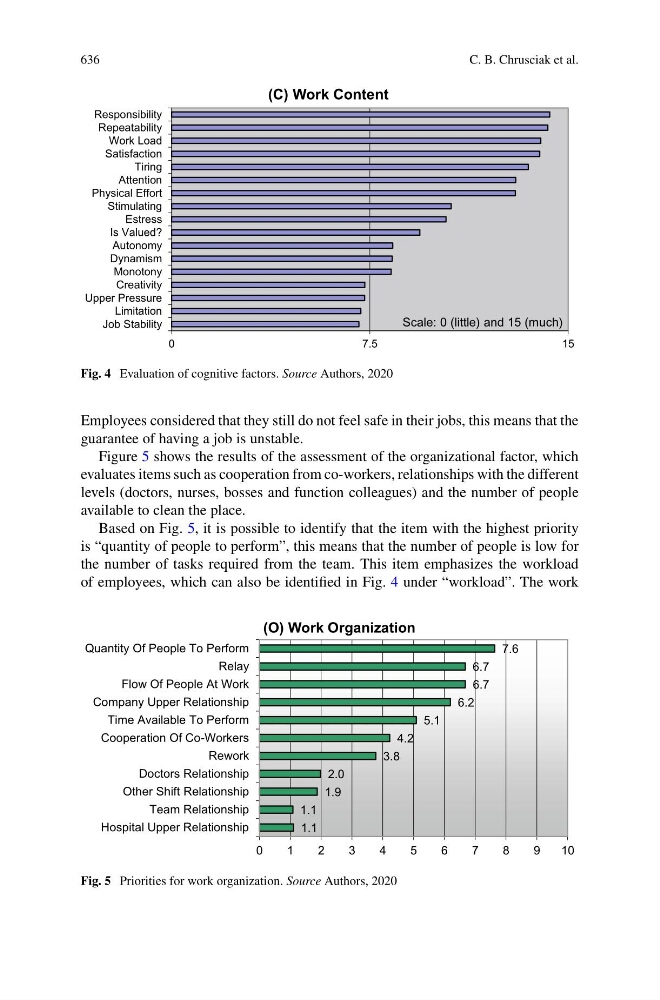
Fig. 4 Evaluation of cognitive factors. Source Authors, 2020
Employees considered that they still do not feel safe in their jobs, this means that the
guarantee of having a job is unstable.
Figure 5 shows the results of the assessment of the organizational factor, which
evaluates items such as cooperation from co-workers, relationships with the different
levels (doctors, nurses, bosses and function colleagues) and the number of people
available to clean the place.
Based on Fig. 5, it is possible to identify that the item with the highest priority
is “quantity of people to perform”, this means that the number of people is low for
the number of tasks required from the team. This item emphasizes the workload
of employees, which can also be identified in Fig. 4 under “workload”. The work
1.1
1.1
1.9
2.0
3.8
4.2
5.1
6.2
6.7
6.7
7.6
0
1
2
3
4
5
6
7
8
9
10
Hospital Upper Relationship
Team Relationship
Other Shift Relationship
Doctors Relationship
Rework
Cooperation Of Co-Workers
Time Available To Perform
Company Upper Relationship
Flow Of People At Work
Relay
Quantity Of People To Perform
(O) Work Organization
Fig. 5 Priorities for work organization. Source Authors, 2020