

Social Responsibility in a University Hospital: An Application …
635
2.1
3.9
4.3
4.7
5.3
0
1
2
3
4
5
6
7
8
9
10
Ilumination
Noise
Ventilation
Temperature
Air Quality
(A) Environment
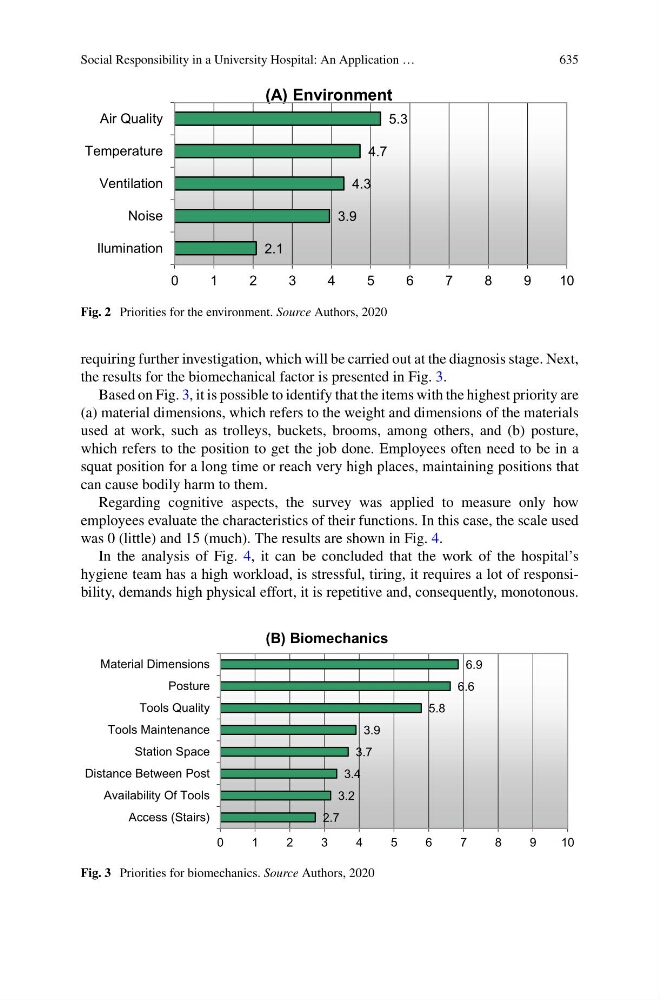
Fig. 2 Priorities for the environment. Source Authors, 2020
requiring further investigation, which will be carried out at the diagnosis stage. Next,
the results for the biomechanical factor is presented in Fig. 3.
Based on Fig. 3, it is possible to identify that the items with the highest priority are
(a) material dimensions, which refers to the weight and dimensions of the materials
used at work, such as trolleys, buckets, brooms, among others, and (b) posture,
which refers to the position to get the job done. Employees often need to be in a
squat position for a long time or reach very high places, maintaining positions that
can cause bodily harm to them.
Regarding cognitive aspects, the survey was applied to measure only how
employees evaluate the characteristics of their functions. In this case, the scale used
was 0 (little) and 15 (much). The results are shown in Fig. 4.
In the analysis of Fig. 4, it can be concluded that the work of the hospital’s
hygiene team has a high workload, is stressful, tiring, it requires a lot of responsibility, demands high physical effort, it is repetitive and, consequently, monotonous.
2.7
3.2
3.4
3.7
3.9
5.8
6.6
6.9
0
1
2
3
4
5
6
7
8
9
10
Access (Stairs)
Availability Of Tools
Distance Between Post
Station Space
Tools Maintenance
Tools Quality
Posture
Material Dimensions
(B) Biomechanics
Fig. 3 Priorities for biomechanics. Source Authors, 2020