

Knowledge Management as a Critical Factor of an organization’s Sustainability
505
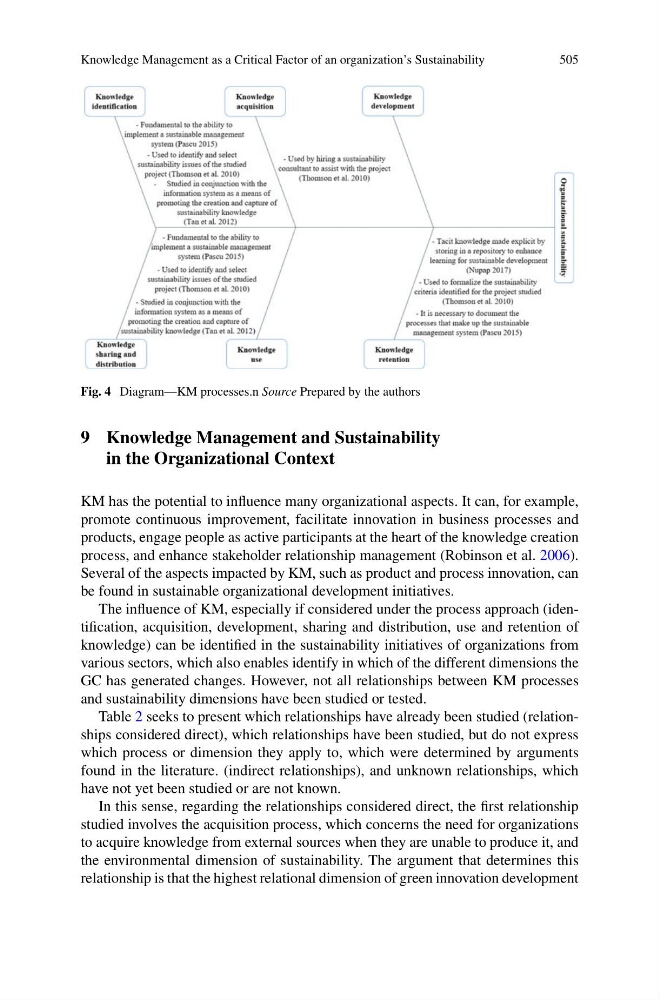
Fig. 4 Diagram—KM processes.n Source Prepared by the authors
9 Knowledge Management and Sustainability
in the Organizational Context
KM has the potential to influence many organizational aspects. It can, for example,
promote continuous improvement, facilitate innovation in business processes and
products, engage people as active participants at the heart of the knowledge creation
process, and enhance stakeholder relationship management (Robinson et al. 2006).
Several of the aspects impacted by KM, such as product and process innovation, can
be found in sustainable organizational development initiatives.
The influence of KM, especially if considered under the process approach (identification, acquisition, development, sharing and distribution, use and retention of
knowledge) can be identified in the sustainability initiatives of organizations from
various sectors, which also enables identify in which of the different dimensions the
GC has generated changes. However, not all relationships between KM processes
and sustainability dimensions have been studied or tested.
Table 2 seeks to present which relationships have already been studied (relationships considered direct), which relationships have been studied, but do not express
which process or dimension they apply to, which were determined by arguments
found in the literature. (indirect relationships), and unknown relationships, which
have not yet been studied or are not known.
In this sense, regarding the relationships considered direct, the first relationship
studied involves the acquisition process, which concerns the need for organizations
to acquire knowledge from external sources when they are unable to produce it, and
the environmental dimension of sustainability. The argument that determines this
relationship is that the highest relational dimension of green innovation development
505
Fig. 4 Diagram—KM processes.n Source Prepared by the authors
9 Knowledge Management and Sustainability
in the Organizational Context
KM has the potential to influence many organizational aspects. It can, for example,
promote continuous improvement, facilitate innovation in business processes and
products, engage people as active participants at the heart of the knowledge creation
process, and enhance stakeholder relationship management (Robinson et al. 2006).
Several of the aspects impacted by KM, such as product and process innovation, can
be found in sustainable organizational development initiatives.
The influence of KM, especially if considered under the process approach (identification, acquisition, development, sharing and distribution, use and retention of
knowledge) can be identified in the sustainability initiatives of organizations from
various sectors, which also enables identify in which of the different dimensions the
GC has generated changes. However, not all relationships between KM processes
and sustainability dimensions have been studied or tested.
Table 2 seeks to present which relationships have already been studied (relationships considered direct), which relationships have been studied, but do not express
which process or dimension they apply to, which were determined by arguments
found in the literature. (indirect relationships), and unknown relationships, which
have not yet been studied or are not known.
In this sense, regarding the relationships considered direct, the first relationship
studied involves the acquisition process, which concerns the need for organizations
to acquire knowledge from external sources when they are unable to produce it, and
the environmental dimension of sustainability. The argument that determines this
relationship is that the highest relational dimension of green innovation development