

Preliminary Product Development Approach for Discarded …
301
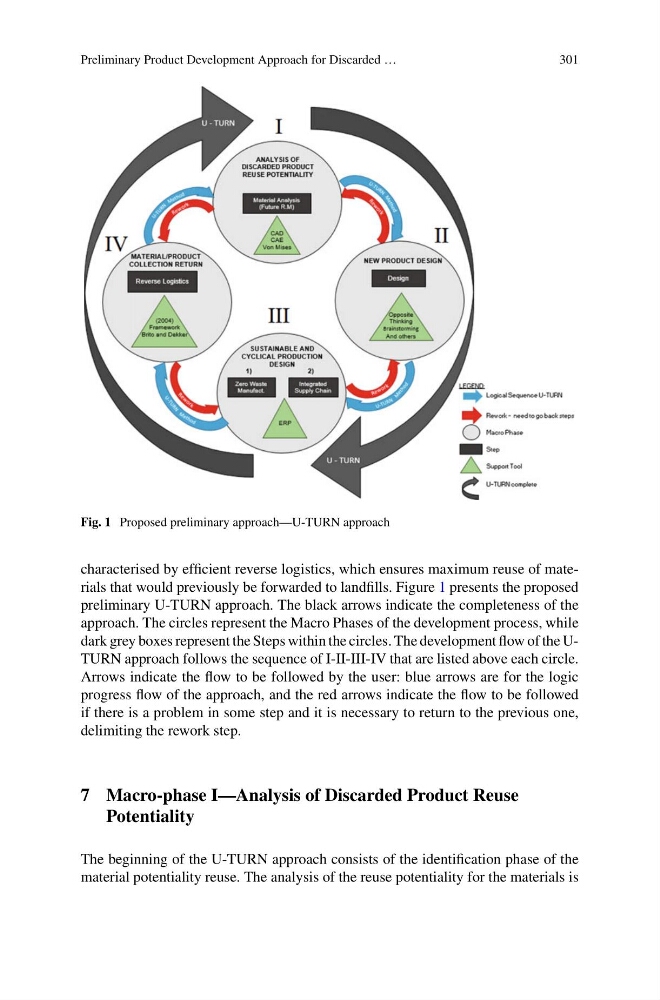
Fig. 1 Proposed preliminary approach—U-TURN approach
characterised by efficient reverse logistics, which ensures maximum reuse of materials that would previously be forwarded to landfills. Figure 1 presents the proposed
preliminary U-TURN approach. The black arrows indicate the completeness of the
approach. The circles represent the Macro Phases of the development process, while
dark grey boxes represent the Steps within the circles. The development flow of the UTURN approach follows the sequence of I-II-III-IV that are listed above each circle.
Arrows indicate the flow to be followed by the user: blue arrows are for the logic
progress flow of the approach, and the red arrows indicate the flow to be followed
if there is a problem in some step and it is necessary to return to the previous one,
delimiting the rework step.
7 Macro-phase I—Analysis of Discarded Product Reuse
Potentiality
The beginning of the U-TURN approach consists of the identification phase of the
material potentiality reuse. The analysis of the reuse potentiality for the materials is
301
Fig. 1 Proposed preliminary approach—U-TURN approach
characterised by efficient reverse logistics, which ensures maximum reuse of materials that would previously be forwarded to landfills. Figure 1 presents the proposed
preliminary U-TURN approach. The black arrows indicate the completeness of the
approach. The circles represent the Macro Phases of the development process, while
dark grey boxes represent the Steps within the circles. The development flow of the UTURN approach follows the sequence of I-II-III-IV that are listed above each circle.
Arrows indicate the flow to be followed by the user: blue arrows are for the logic
progress flow of the approach, and the red arrows indicate the flow to be followed
if there is a problem in some step and it is necessary to return to the previous one,
delimiting the rework step.
7 Macro-phase I—Analysis of Discarded Product Reuse
Potentiality
The beginning of the U-TURN approach consists of the identification phase of the
material potentiality reuse. The analysis of the reuse potentiality for the materials is