

The Importance of Green Supply Chain Management Approach …
187
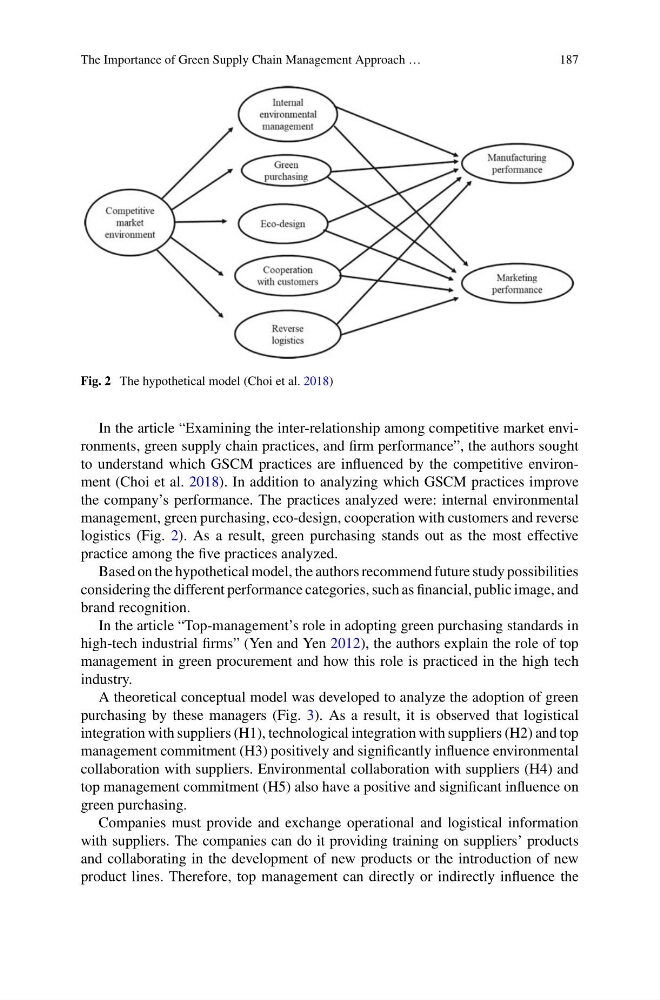
Fig. 2 The hypothetical model (Choi et al. 2018)
In the article “Examining the inter-relationship among competitive market environments, green supply chain practices, and firm performance”, the authors sought
to understand which GSCM practices are influenced by the competitive environment (Choi et al. 2018). In addition to analyzing which GSCM practices improve
the company’s performance. The practices analyzed were: internal environmental
management, green purchasing, eco-design, cooperation with customers and reverse
logistics (Fig. 2). As a result, green purchasing stands out as the most effective
practice among the five practices analyzed.
Based on the hypothetical model, the authors recommend future study possibilities
considering the different performance categories, such as financial, public image, and
brand recognition.
In the article “Top-management’s role in adopting green purchasing standards in
high-tech industrial firms” (Yen and Yen 2012), the authors explain the role of top
management in green procurement and how this role is practiced in the high tech
industry.
A theoretical conceptual model was developed to analyze the adoption of green
purchasing by these managers (Fig. 3). As a result, it is observed that logistical
integration with suppliers (H1), technological integration with suppliers (H2) and top
management commitment (H3) positively and significantly influence environmental
collaboration with suppliers. Environmental collaboration with suppliers (H4) and
top management commitment (H5) also have a positive and significant influence on
green purchasing.
Companies must provide and exchange operational and logistical information
with suppliers. The companies can do it providing training on suppliers’ products
and collaborating in the development of new products or the introduction of new
product lines. Therefore, top management can directly or indirectly influence the
187
Fig. 2 The hypothetical model (Choi et al. 2018)
In the article “Examining the inter-relationship among competitive market environments, green supply chain practices, and firm performance”, the authors sought
to understand which GSCM practices are influenced by the competitive environment (Choi et al. 2018). In addition to analyzing which GSCM practices improve
the company’s performance. The practices analyzed were: internal environmental
management, green purchasing, eco-design, cooperation with customers and reverse
logistics (Fig. 2). As a result, green purchasing stands out as the most effective
practice among the five practices analyzed.
Based on the hypothetical model, the authors recommend future study possibilities
considering the different performance categories, such as financial, public image, and
brand recognition.
In the article “Top-management’s role in adopting green purchasing standards in
high-tech industrial firms” (Yen and Yen 2012), the authors explain the role of top
management in green procurement and how this role is practiced in the high tech
industry.
A theoretical conceptual model was developed to analyze the adoption of green
purchasing by these managers (Fig. 3). As a result, it is observed that logistical
integration with suppliers (H1), technological integration with suppliers (H2) and top
management commitment (H3) positively and significantly influence environmental
collaboration with suppliers. Environmental collaboration with suppliers (H4) and
top management commitment (H5) also have a positive and significant influence on
green purchasing.
Companies must provide and exchange operational and logistical information
with suppliers. The companies can do it providing training on suppliers’ products
and collaborating in the development of new products or the introduction of new
product lines. Therefore, top management can directly or indirectly influence the