

188
A. Y. U. Reche et al.
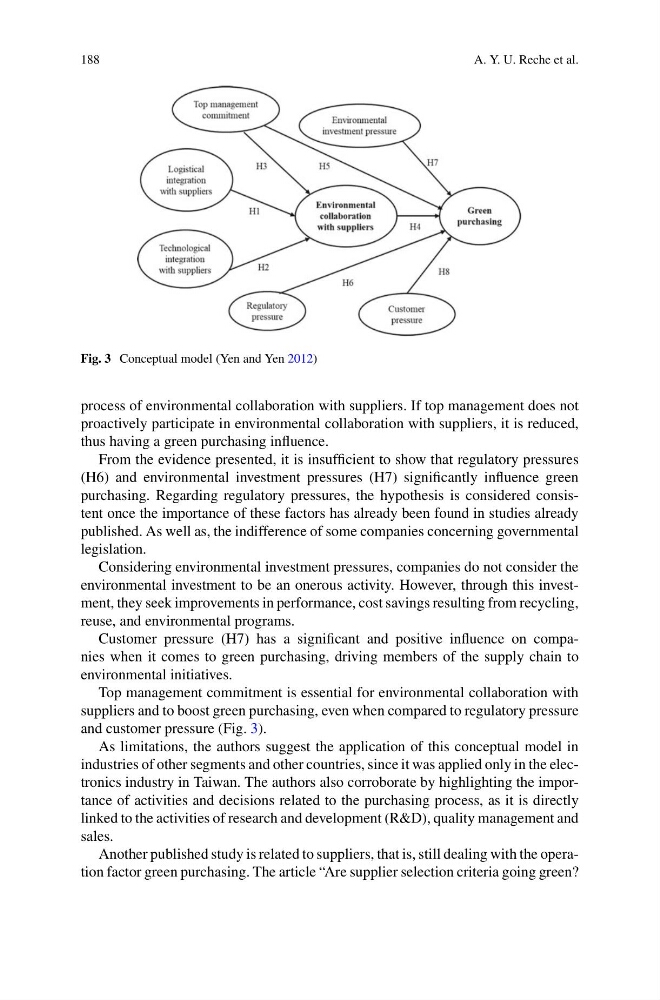
Fig. 3 Conceptual model (Yen and Yen 2012)
process of environmental collaboration with suppliers. If top management does not
proactively participate in environmental collaboration with suppliers, it is reduced,
thus having a green purchasing influence.
From the evidence presented, it is insufficient to show that regulatory pressures
(H6) and environmental investment pressures (H7) significantly influence green
purchasing. Regarding regulatory pressures, the hypothesis is considered consistent once the importance of these factors has already been found in studies already
published. As well as, the indifference of some companies concerning governmental
legislation.
Considering environmental investment pressures, companies do not consider the
environmental investment to be an onerous activity. However, through this investment, they seek improvements in performance, cost savings resulting from recycling,
reuse, and environmental programs.
Customer pressure (H7) has a significant and positive influence on companies when it comes to green purchasing, driving members of the supply chain to
environmental initiatives.
Top management commitment is essential for environmental collaboration with
suppliers and to boost green purchasing, even when compared to regulatory pressure
and customer pressure (Fig. 3).
As limitations, the authors suggest the application of this conceptual model in
industries of other segments and other countries, since it was applied only in the electronics industry in Taiwan. The authors also corroborate by highlighting the importance of activities and decisions related to the purchasing process, as it is directly
linked to the activities of research and development (R&D), quality management and
sales.
Another published study is related to suppliers, that is, still dealing with the operation factor green purchasing. The article “Are supplier selection criteria going green?
A. Y. U. Reche et al.
Fig. 3 Conceptual model (Yen and Yen 2012)
process of environmental collaboration with suppliers. If top management does not
proactively participate in environmental collaboration with suppliers, it is reduced,
thus having a green purchasing influence.
From the evidence presented, it is insufficient to show that regulatory pressures
(H6) and environmental investment pressures (H7) significantly influence green
purchasing. Regarding regulatory pressures, the hypothesis is considered consistent once the importance of these factors has already been found in studies already
published. As well as, the indifference of some companies concerning governmental
legislation.
Considering environmental investment pressures, companies do not consider the
environmental investment to be an onerous activity. However, through this investment, they seek improvements in performance, cost savings resulting from recycling,
reuse, and environmental programs.
Customer pressure (H7) has a significant and positive influence on companies when it comes to green purchasing, driving members of the supply chain to
environmental initiatives.
Top management commitment is essential for environmental collaboration with
suppliers and to boost green purchasing, even when compared to regulatory pressure
and customer pressure (Fig. 3).
As limitations, the authors suggest the application of this conceptual model in
industries of other segments and other countries, since it was applied only in the electronics industry in Taiwan. The authors also corroborate by highlighting the importance of activities and decisions related to the purchasing process, as it is directly
linked to the activities of research and development (R&D), quality management and
sales.
Another published study is related to suppliers, that is, still dealing with the operation factor green purchasing. The article “Are supplier selection criteria going green?