

range. Most of the methanococci group such as Methanobacterium and
Methanosarcina are of the same category. Hyperthermophilic as well as thermophilic methanogenic bacteria are also not rare. M. jannaschii and
Methanothermobacter are proliferating in the range of 74–84
C. Even some
hyperthermophilic methanogen like M. kandleri can tolerate about 105
C (Ward
et al. 2008).
Temperature as well as high concentration of salt can also be significant parameters for methane-producing bacteria. A few methanogenic bacteria have survived as
well as produced colonies in salty lakes as well as ponds which are considered to be
hard environment for them due to the high concentration of the salt. These types of
methanogens are protecting themselves by the salting-out mechanism and minimize
the loss of water from their cell. Usually, the water is permeating through the cell
boundary, and due to the higher concentration of salt present outside of the body, the
water may permeate outside through the cell causing its death (Weiland 2010).
Although most methanogens are optimally elevated in the vicinity of neutral pH,
some, which are halophilic or halotolerant, also show conversion with alkaline pH.
Usually methanogenic bacteria can be separated into two categories as per the
procedure of the conservation of the energy. Cytochromes are presents in one group
of methanogenic bacteria and in the other group of methanogenic bacteria, cytochromes are absent (Mayer and Müller 2014; Thauer et al. 2008). Cytochrome is
present in most of the methanogenic bacteria in which they have a coenzyme which
creates a gradient of positive sodium ion across the cell membrane. M. barkeri or
M. mazei is of this category which cheats this type of gradient of positive sodium ion
across the cell membrane.
When a reactor is equipped with electrodes containing methanogenic bacteria, the
methane gas is produced by the concerted action of methanogen across the reactor.
The external voltage supplied to the electrode is used to electrolyze the water in the
anode. In this case, due to the transfer of the electron in the anode, the water is
fragmented in proton as well as oxygen ion. The generated extra electron is
transported into the anode which usually happens in the microbial fuel cells. To
date, most research of electromethogenesis have been conducted by mixed cultures,
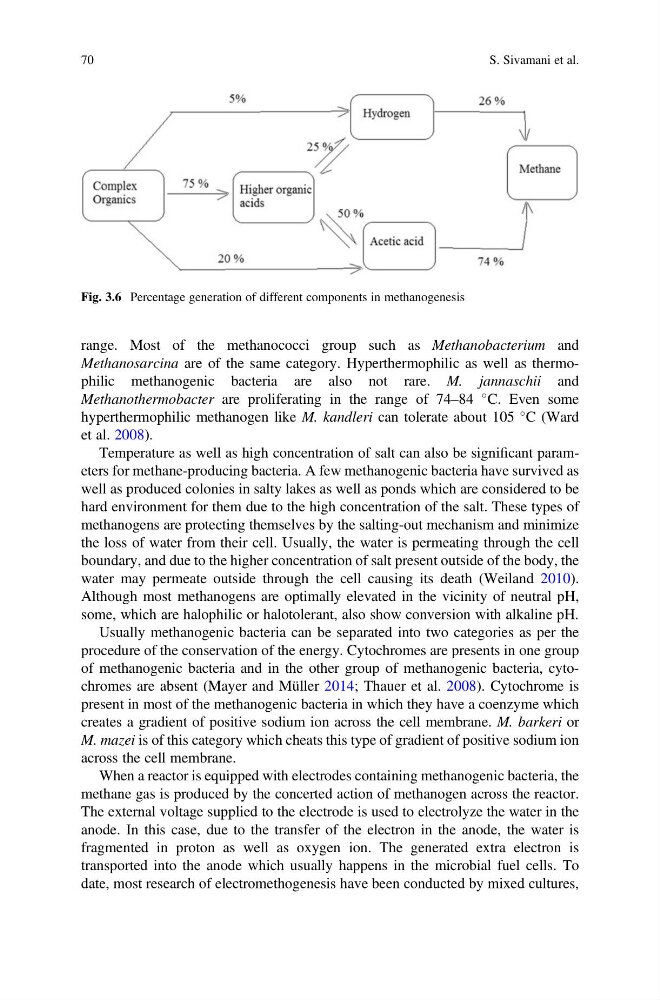
Fig. 3.6 Percentage generation of different components in methanogenesis
70
S. Sivamani et al.
Methanosarcina are of the same category. Hyperthermophilic as well as thermophilic methanogenic bacteria are also not rare. M. jannaschii and
Methanothermobacter are proliferating in the range of 74–84
C. Even some
hyperthermophilic methanogen like M. kandleri can tolerate about 105
C (Ward
et al. 2008).
Temperature as well as high concentration of salt can also be significant parameters for methane-producing bacteria. A few methanogenic bacteria have survived as
well as produced colonies in salty lakes as well as ponds which are considered to be
hard environment for them due to the high concentration of the salt. These types of
methanogens are protecting themselves by the salting-out mechanism and minimize
the loss of water from their cell. Usually, the water is permeating through the cell
boundary, and due to the higher concentration of salt present outside of the body, the
water may permeate outside through the cell causing its death (Weiland 2010).
Although most methanogens are optimally elevated in the vicinity of neutral pH,
some, which are halophilic or halotolerant, also show conversion with alkaline pH.
Usually methanogenic bacteria can be separated into two categories as per the
procedure of the conservation of the energy. Cytochromes are presents in one group
of methanogenic bacteria and in the other group of methanogenic bacteria, cytochromes are absent (Mayer and Müller 2014; Thauer et al. 2008). Cytochrome is
present in most of the methanogenic bacteria in which they have a coenzyme which
creates a gradient of positive sodium ion across the cell membrane. M. barkeri or
M. mazei is of this category which cheats this type of gradient of positive sodium ion
across the cell membrane.
When a reactor is equipped with electrodes containing methanogenic bacteria, the
methane gas is produced by the concerted action of methanogen across the reactor.
The external voltage supplied to the electrode is used to electrolyze the water in the
anode. In this case, due to the transfer of the electron in the anode, the water is
fragmented in proton as well as oxygen ion. The generated extra electron is
transported into the anode which usually happens in the microbial fuel cells. To
date, most research of electromethogenesis have been conducted by mixed cultures,
Fig. 3.6 Percentage generation of different components in methanogenesis
70
S. Sivamani et al.