

such as from microbial fuel cells, biogas plants, or wastewater treatment plants
(Ward et al. 2008).
Methanogen is a very assorted cluster of bacteria, and most of the group can exist
in extreme environment like in high pH as well as in high osmotic pressure and
higher as well as lower temperatures. So the advancement and optimization of the
industrial processes require the involvement of the methanogen (Valentine et al.
2000). Generation of biogas in the form of methane as well as carbon dioxide from
the organic waste or substrate is the principal application of the methanogenic
bacteria. In this recent decade, the production of biogas is holding a leading role,
and 30% of the energy is produced by this method in entire Europe. The
biomethanation process or the anaerobic digestion process is a four-stage process.
The first step is the hydrolysis. In this process, the organic materials in various
complex forms such as polysaccharides, proteins, lipids, etc. are hydrolyzed by the
enzymatic action of hydrolytic bacteria to produce a monomer of various organic
compounds such as sugar, amino acid, long- as well as short-chain fatty acids, etc.
which is again consumed by bacteria. The second step is called acidogenesis. In this
procedure, the hydrolytic combinations are fermented as well as oxidized to produce
different fermented products like ethanol, formate, hydrogen, carbon dioxide, propionate, acetate, etc.; the third step is the acetogenetic step. In this procedure, the
fermented yields are further oxidized to produce mainly carbon dioxide as well as
acetate. Hydrogen is also generated during this process. The last step is
methanogenesis. In this step, methanogenic bacteria are responsible in converting
carbon dioxide as well as hydrogen into methane gas (McInerney et al. 2008).
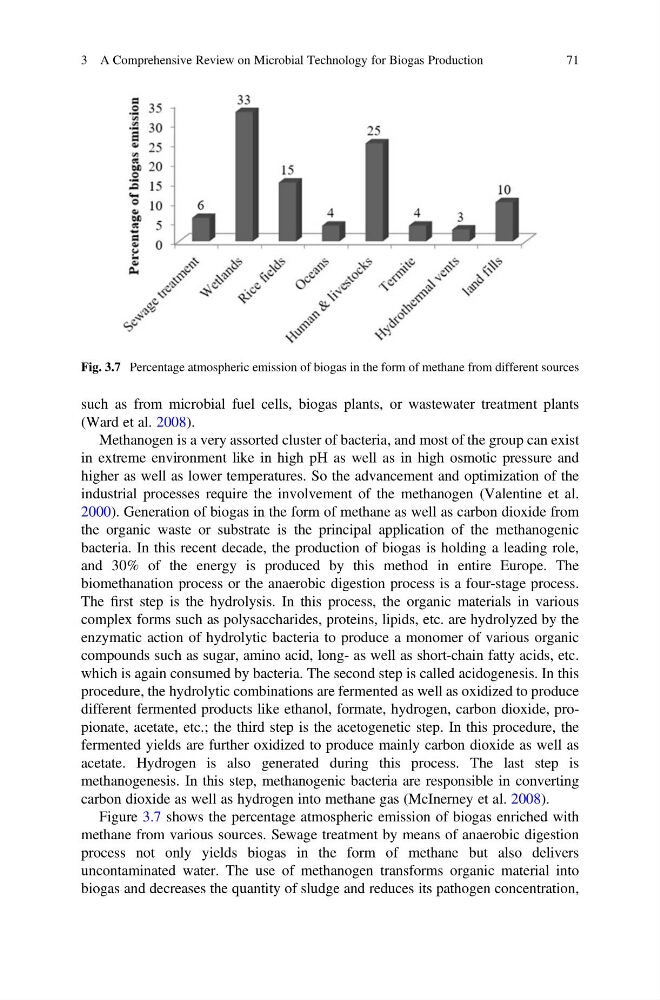
Figure 3.7 shows the percentage atmospheric emission of biogas enriched with
methane from various sources. Sewage treatment by means of anaerobic digestion
process not only yields biogas in the form of methane but also delivers
uncontaminated water. The use of methanogen transforms organic material into
biogas and decreases the quantity of sludge and reduces its pathogen concentration,
Fig. 3.7 Percentage atmospheric emission of biogas in the form of methane from different sources
3 A Comprehensive Review on Microbial Technology for Biogas Production
71
(Ward et al. 2008).
Methanogen is a very assorted cluster of bacteria, and most of the group can exist
in extreme environment like in high pH as well as in high osmotic pressure and
higher as well as lower temperatures. So the advancement and optimization of the
industrial processes require the involvement of the methanogen (Valentine et al.
2000). Generation of biogas in the form of methane as well as carbon dioxide from
the organic waste or substrate is the principal application of the methanogenic
bacteria. In this recent decade, the production of biogas is holding a leading role,
and 30% of the energy is produced by this method in entire Europe. The
biomethanation process or the anaerobic digestion process is a four-stage process.
The first step is the hydrolysis. In this process, the organic materials in various
complex forms such as polysaccharides, proteins, lipids, etc. are hydrolyzed by the
enzymatic action of hydrolytic bacteria to produce a monomer of various organic
compounds such as sugar, amino acid, long- as well as short-chain fatty acids, etc.
which is again consumed by bacteria. The second step is called acidogenesis. In this
procedure, the hydrolytic combinations are fermented as well as oxidized to produce
different fermented products like ethanol, formate, hydrogen, carbon dioxide, propionate, acetate, etc.; the third step is the acetogenetic step. In this procedure, the
fermented yields are further oxidized to produce mainly carbon dioxide as well as
acetate. Hydrogen is also generated during this process. The last step is
methanogenesis. In this step, methanogenic bacteria are responsible in converting
carbon dioxide as well as hydrogen into methane gas (McInerney et al. 2008).
Figure 3.7 shows the percentage atmospheric emission of biogas enriched with
methane from various sources. Sewage treatment by means of anaerobic digestion
process not only yields biogas in the form of methane but also delivers
uncontaminated water. The use of methanogen transforms organic material into
biogas and decreases the quantity of sludge and reduces its pathogen concentration,
Fig. 3.7 Percentage atmospheric emission of biogas in the form of methane from different sources
3 A Comprehensive Review on Microbial Technology for Biogas Production
71