

physicochemical attributes of the biodiesel. As indicated by the outcomes, biofuel is
an appropriate substitute for petro-diesel fuel (Mirabdoli et al. 2016).
Zhu et al. studied the creation of microbial biofuel from microbial oil
(Trichosporon fermentans). The mentioned microbe is a type of yeast and might
produce a great quantity of extracellular lipase from olive oil. Like herbal oils, the
lipid mostly comprises palmitic acid, oleic acid, linoleic acid, and stearic acid.
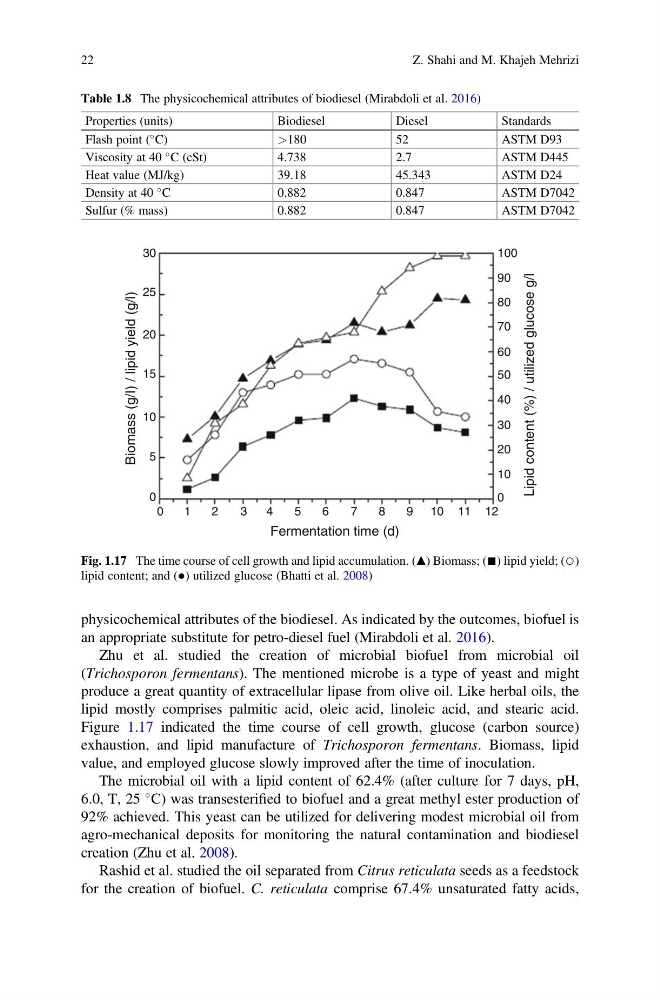
Figure 1.17 indicated the time course of cell growth, glucose (carbon source)
exhaustion, and lipid manufacture of Trichosporon fermentans. Biomass, lipid
value, and employed glucose slowly improved after the time of inoculation.
The microbial oil with a lipid content of 62.4% (after culture for 7 days, pH,
6.0, T, 25
C) was transesterified to biofuel and a great methyl ester production of
92% achieved. This yeast can be utilized for delivering modest microbial oil from
agro-mechanical deposits for monitoring the natural contamination and biodiesel
creation (Zhu et al. 2008).
Rashid et al. studied the oil separated from Citrus reticulata seeds as a feedstock
for the creation of biofuel. C. reticulata comprise 67.4% unsaturated fatty acids,
Table 1.8 The physicochemical attributes of biodiesel (Mirabdoli et al. 2016)
Properties (units)
Biodiesel
Diesel
Standards
Flash point (
C)
>180
52
ASTM D93
Viscosity at 40
C (cSt)
4.738
2.7
ASTM D445
Heat value (MJ/kg)
39.18
45.343
ASTM D24
Density at 40
C
0.882
0.847
ASTM D7042
Sulfur (% mass)
0.882
0.847
ASTM D7042
30
25
20
15
10
5
0
0
1
2
3
4
5
Fermentation time (d)
6
7
8
9 10 11 12
100
90
80
70
60
50
40
30
20
10
0
Lipid content (%) / utilized glucose g/l
Biomass (g/I) / lipid yield (g/l)
Fig. 1.17 The time course of cell growth and lipid accumulation. (▲) Biomass; (■) lipid yield; (○)
lipid content; and (●) utilized glucose (Bhatti et al. 2008)
22
Z. Shahi and M. Khajeh Mehrizi
an appropriate substitute for petro-diesel fuel (Mirabdoli et al. 2016).
Zhu et al. studied the creation of microbial biofuel from microbial oil
(Trichosporon fermentans). The mentioned microbe is a type of yeast and might
produce a great quantity of extracellular lipase from olive oil. Like herbal oils, the
lipid mostly comprises palmitic acid, oleic acid, linoleic acid, and stearic acid.
Figure 1.17 indicated the time course of cell growth, glucose (carbon source)
exhaustion, and lipid manufacture of Trichosporon fermentans. Biomass, lipid
value, and employed glucose slowly improved after the time of inoculation.
The microbial oil with a lipid content of 62.4% (after culture for 7 days, pH,
6.0, T, 25
C) was transesterified to biofuel and a great methyl ester production of
92% achieved. This yeast can be utilized for delivering modest microbial oil from
agro-mechanical deposits for monitoring the natural contamination and biodiesel
creation (Zhu et al. 2008).
Rashid et al. studied the oil separated from Citrus reticulata seeds as a feedstock
for the creation of biofuel. C. reticulata comprise 67.4% unsaturated fatty acids,
Table 1.8 The physicochemical attributes of biodiesel (Mirabdoli et al. 2016)
Properties (units)
Biodiesel
Diesel
Standards
Flash point (
C)
>180
52
ASTM D93
Viscosity at 40
C (cSt)
4.738
2.7
ASTM D445
Heat value (MJ/kg)
39.18
45.343
ASTM D24
Density at 40
C
0.882
0.847
ASTM D7042
Sulfur (% mass)
0.882
0.847
ASTM D7042
30
25
20
15
10
5
0
0
1
2
3
4
5
Fermentation time (d)
6
7
8
9 10 11 12
100
90
80
70
60
50
40
30
20
10
0
Lipid content (%) / utilized glucose g/l
Biomass (g/I) / lipid yield (g/l)
Fig. 1.17 The time course of cell growth and lipid accumulation. (▲) Biomass; (■) lipid yield; (○)
lipid content; and (●) utilized glucose (Bhatti et al. 2008)
22
Z. Shahi and M. Khajeh Mehrizi