

2012). The Food and Agriculture Organization (FAO) reported that biodiesel formed
from rapeseed oil is 84%, from sunflower oil is 13%, from palm oil is 1%, and from
soybean oil as well as others is 2% (Wang et al. 2014a, b). Instead of edible oils,
waste cooking oils were applicable for the production of biodiesel to increase its
economic and environmental viability on a large scale. Cooking waste oils reduced
the biodiesel production cost about 60–70% because waste oils are available at a
very low price in the market (Jiang et al. 2010; Degfie et al. 2019). Microalgae are
considered to be the most sustainable resources in the formation of biodiesel. It is a
third-generation biodiesel feedstock. There are several categories of biodiesel production sources that are given in Table 5.1.
The major sources for biodiesel formation are sunflower, soybean, palm, rapeseed, as well as cottonseed oils (Lou et al. 2019). The oil can be differentiated into
saturated or unsaturated oil based on their composition of fatty acid. Palm oil and
coconut oil solidify at low temperatures due to the occurrence of fatty acids
(saturated) like that of palmitic or steric acid and are known as saturated oils
(Miracolo et al. 2010). Soybean oil, cottonseed oil, as well as sunflower oil remain
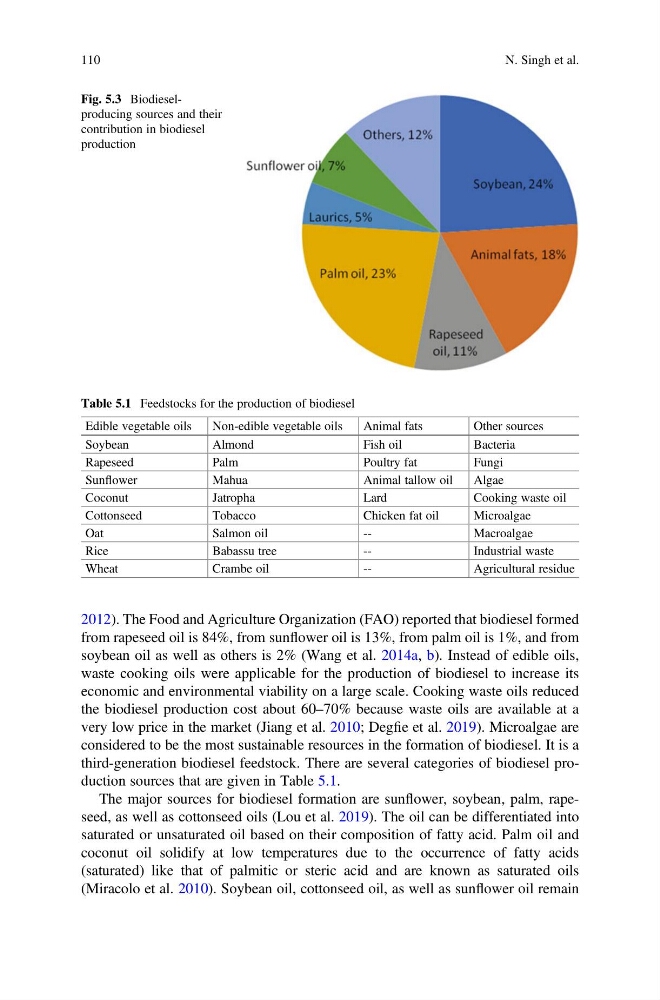
Fig. 5.3 Biodieselproducing sources and their
contribution in biodiesel
production
Table 5.1 Feedstocks for the production of biodiesel
Edible vegetable oils
Non-edible vegetable oils
Animal fats
Other sources
Soybean
Almond
Fish oil
Bacteria
Rapeseed
Palm
Poultry fat
Fungi
Sunflower
Mahua
Animal tallow oil
Algae
Coconut
Jatropha
Lard
Cooking waste oil
Cottonseed
Tobacco
Chicken fat oil
Microalgae
Oat
Salmon oil
-Macroalgae
Rice
Babassu tree
-Industrial waste
Wheat
Crambe oil
-Agricultural residue
110
N. Singh et al.
from rapeseed oil is 84%, from sunflower oil is 13%, from palm oil is 1%, and from
soybean oil as well as others is 2% (Wang et al. 2014a, b). Instead of edible oils,
waste cooking oils were applicable for the production of biodiesel to increase its
economic and environmental viability on a large scale. Cooking waste oils reduced
the biodiesel production cost about 60–70% because waste oils are available at a
very low price in the market (Jiang et al. 2010; Degfie et al. 2019). Microalgae are
considered to be the most sustainable resources in the formation of biodiesel. It is a
third-generation biodiesel feedstock. There are several categories of biodiesel production sources that are given in Table 5.1.
The major sources for biodiesel formation are sunflower, soybean, palm, rapeseed, as well as cottonseed oils (Lou et al. 2019). The oil can be differentiated into
saturated or unsaturated oil based on their composition of fatty acid. Palm oil and
coconut oil solidify at low temperatures due to the occurrence of fatty acids
(saturated) like that of palmitic or steric acid and are known as saturated oils
(Miracolo et al. 2010). Soybean oil, cottonseed oil, as well as sunflower oil remain
Fig. 5.3 Biodieselproducing sources and their
contribution in biodiesel
production
Table 5.1 Feedstocks for the production of biodiesel
Edible vegetable oils
Non-edible vegetable oils
Animal fats
Other sources
Soybean
Almond
Fish oil
Bacteria
Rapeseed
Palm
Poultry fat
Fungi
Sunflower
Mahua
Animal tallow oil
Algae
Coconut
Jatropha
Lard
Cooking waste oil
Cottonseed
Tobacco
Chicken fat oil
Microalgae
Oat
Salmon oil
-Macroalgae
Rice
Babassu tree
-Industrial waste
Wheat
Crambe oil
-Agricultural residue
110
N. Singh et al.