

4.11.6 Biohydrogen Production from Algae
Algae are a biological source which can be used for the production of biohydrogen.
Especially photosynthetic microalgae have been a promising source for biohydrogen
synthesis as they have the natural capacity to absorb the light and break down the
water molecule into hydrogen molecule. The production process is improved by
using microalgae along with the application of genetics in which Chlamydomonas
reinhardtii is identified as the most important strain which can produce hydrogen by
direct photolysis technique (Lam et al. 2010). But this technique produces a low rate
as compared to those chemical methods like SME. So in order to scale up the
production, various parameters have to be considered, and integrated techniques
can improve the yield. The overall energy balance and feasibility of the process have
to be carefully monitored (Lam et al. 2019).
Algal biomass is a biological source with lots of nutrients. Algae have been found
everywhere so easily available. They do not require any specific conditions to grow.
Hydrogen is considered as the cleanest fuel possessing a high specific heat of about
142 MJ/kg. Now, the use of algae to produce biohydrogen continues to increase.
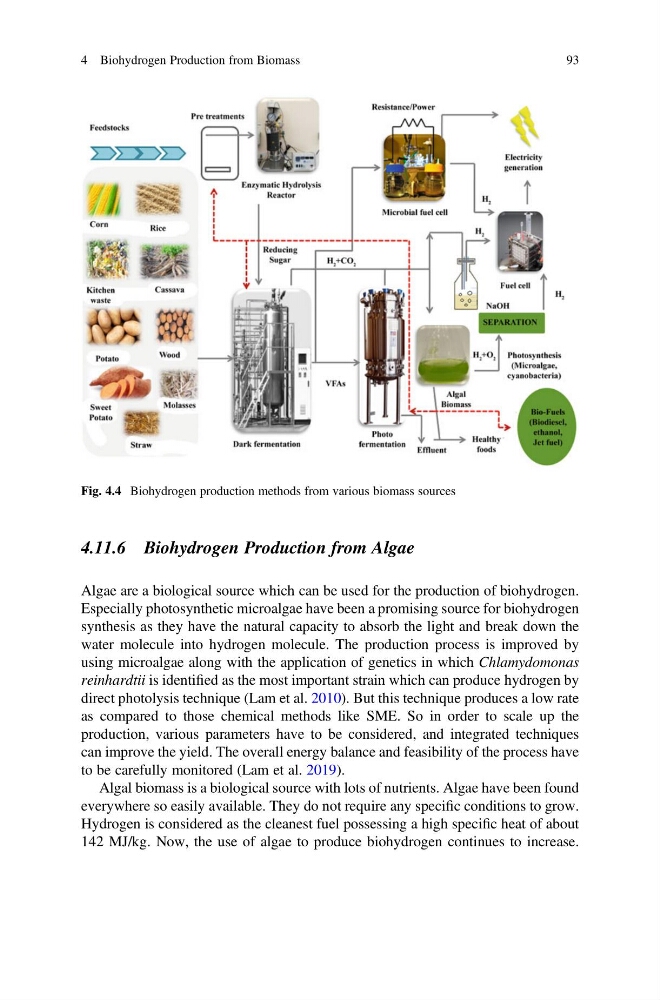
Fig. 4.4 Biohydrogen production methods from various biomass sources
4 Biohydrogen Production from Biomass
93
Algae are a biological source which can be used for the production of biohydrogen.
Especially photosynthetic microalgae have been a promising source for biohydrogen
synthesis as they have the natural capacity to absorb the light and break down the
water molecule into hydrogen molecule. The production process is improved by
using microalgae along with the application of genetics in which Chlamydomonas
reinhardtii is identified as the most important strain which can produce hydrogen by
direct photolysis technique (Lam et al. 2010). But this technique produces a low rate
as compared to those chemical methods like SME. So in order to scale up the
production, various parameters have to be considered, and integrated techniques
can improve the yield. The overall energy balance and feasibility of the process have
to be carefully monitored (Lam et al. 2019).
Algal biomass is a biological source with lots of nutrients. Algae have been found
everywhere so easily available. They do not require any specific conditions to grow.
Hydrogen is considered as the cleanest fuel possessing a high specific heat of about
142 MJ/kg. Now, the use of algae to produce biohydrogen continues to increase.
Fig. 4.4 Biohydrogen production methods from various biomass sources
4 Biohydrogen Production from Biomass
93