

About 96% of the global hydrogen is produced from nonrenewable sources. But the
disadvantage is that they release toxic substances. This includes techniques like
SMR, gasification of coal, refining, and so on. Out of this, SMR is the most
important as it is cost-effective compared to all other, but to initiate the reaction,
external supply of heat is required. Another source is methane which can be used but
has lots of side effects that are present as it is nonrenewable. When considering all
these, the biological methods have lots of advantages. This method can reduce
the cost of production as well as reduce the impact on the atmosphere. In this case,
the microbe should grow in both aerobic and anaerobic conditions (Melis 2007). The
integrated process of direct photolysis and dark fermentation to produce
biohydrogen is shown in Fig. 4.6.
Direct photolysis capitalizes on the microalgae and cyanobacteria’s photosynthetic potential for direct separation of water into oxygen and hydrogen;
cyanobacteria are prokaryotes which use photosynthesis to draw energy. Microalgae
have developed the ability to harvest solar energy by collecting water-splitting
reactions to protons and electrons. The production of biohydrogen takes place by
direct absorption of light and by the transfer of electrons to two groups of enzyme—
hydrogenases and nitrogenases (Manis and Banerjee 2008). Many microorganisms
release excess electrons under anaerobic conditions or use a hydrogenase enzyme
Biogas meter, water displacement
Gas outlet to GC
Thermometer
Bioreactor
2.5 L
pH7, 37°C
Liquid sample
port for pH,
ethanol, and
VFA analysis
Magnetic stirrer with
heater
Water reservoir
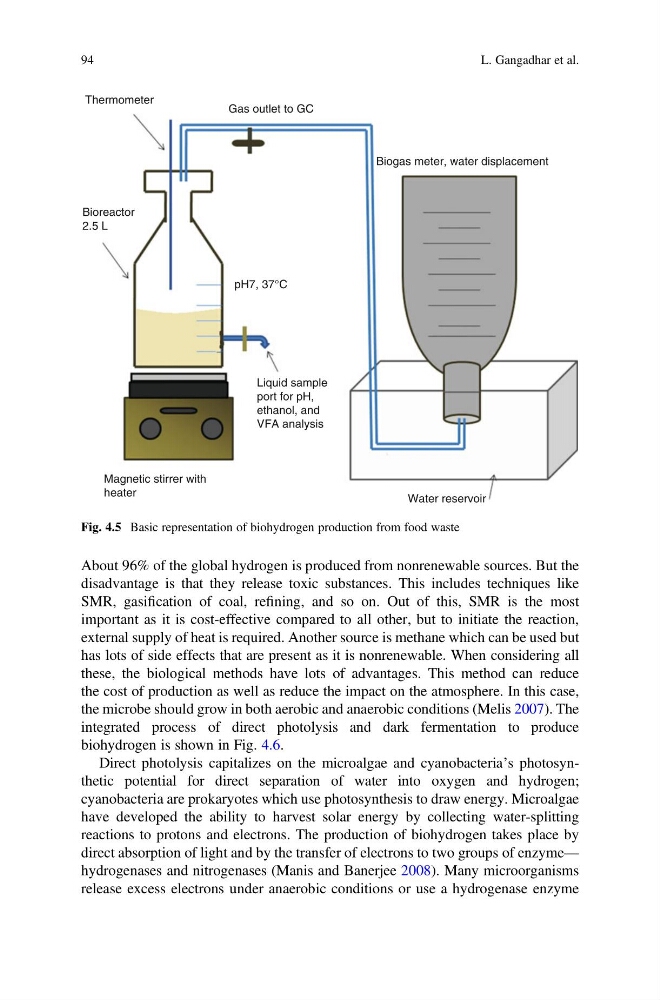
Fig. 4.5 Basic representation of biohydrogen production from food waste
94
L. Gangadhar et al.
disadvantage is that they release toxic substances. This includes techniques like
SMR, gasification of coal, refining, and so on. Out of this, SMR is the most
important as it is cost-effective compared to all other, but to initiate the reaction,
external supply of heat is required. Another source is methane which can be used but
has lots of side effects that are present as it is nonrenewable. When considering all
these, the biological methods have lots of advantages. This method can reduce
the cost of production as well as reduce the impact on the atmosphere. In this case,
the microbe should grow in both aerobic and anaerobic conditions (Melis 2007). The
integrated process of direct photolysis and dark fermentation to produce
biohydrogen is shown in Fig. 4.6.
Direct photolysis capitalizes on the microalgae and cyanobacteria’s photosynthetic potential for direct separation of water into oxygen and hydrogen;
cyanobacteria are prokaryotes which use photosynthesis to draw energy. Microalgae
have developed the ability to harvest solar energy by collecting water-splitting
reactions to protons and electrons. The production of biohydrogen takes place by
direct absorption of light and by the transfer of electrons to two groups of enzyme—
hydrogenases and nitrogenases (Manis and Banerjee 2008). Many microorganisms
release excess electrons under anaerobic conditions or use a hydrogenase enzyme
Biogas meter, water displacement
Gas outlet to GC
Thermometer
Bioreactor
2.5 L
pH7, 37°C
Liquid sample
port for pH,
ethanol, and
VFA analysis
Magnetic stirrer with
heater
Water reservoir
Fig. 4.5 Basic representation of biohydrogen production from food waste
94
L. Gangadhar et al.