

During the food degradation process, the release of hydrogen increases more
easily. In order to stimulate degradation, more amount of water should be present.
This is the reason why the moisture content is said to be important (Veziroǧlu and
Das 2008). Most probably the food wastes were heated in a micro-oven for 10 min
and properly sonicated. Various pretreatment techniques are carried out depending
on the food item. The product obtained is measured in comparison with standard
hydrogen. The measurement is done by various chromatographic techniques like
GC. All the parameters should be maintained in an optimum condition, and this has
to be done before starting the experiments (Kim et al. 2004). The pretreatment
should be done in order to maintain various salient features like it should increase
the rate of saccharification by hydrolysis, restrict inhibitory compound formation,
and retain lucrativity (Zhu et al. 2008).
In order to increase the hydrogen yield, we can modify the system. For example,
we can use the Fe/Cu microelectrolysis technique which can increase the yield more
than 30% (Basak et al. 2018). The hydrogen production can be made to about 62%
by using various zerovalent metal electrolysis methods. It is necessary to compare
various metal ions and those that release more ions into the solution will be more
efficient (Hwang et al. 2011). The various biochemical reactions have to be compared. The improvement in the hydrogen production has to be analyzed, and the best
method or technique has to be followed (Zhang et al. 2020). The basic representation
for the biohydrogen by dark fermentation method is shown in Fig. 4.5.
The recent developments of biohydrogen production are expressed in Table 4.1.
2.5
Efficient Frontier
Portfolio return
2
1.5
0.5
0
0
0.0002
0.0004
0.0006
0.0008
Risk
0.001
0.0012
0.0014
1
CVaR
Semi-Variance
Variance
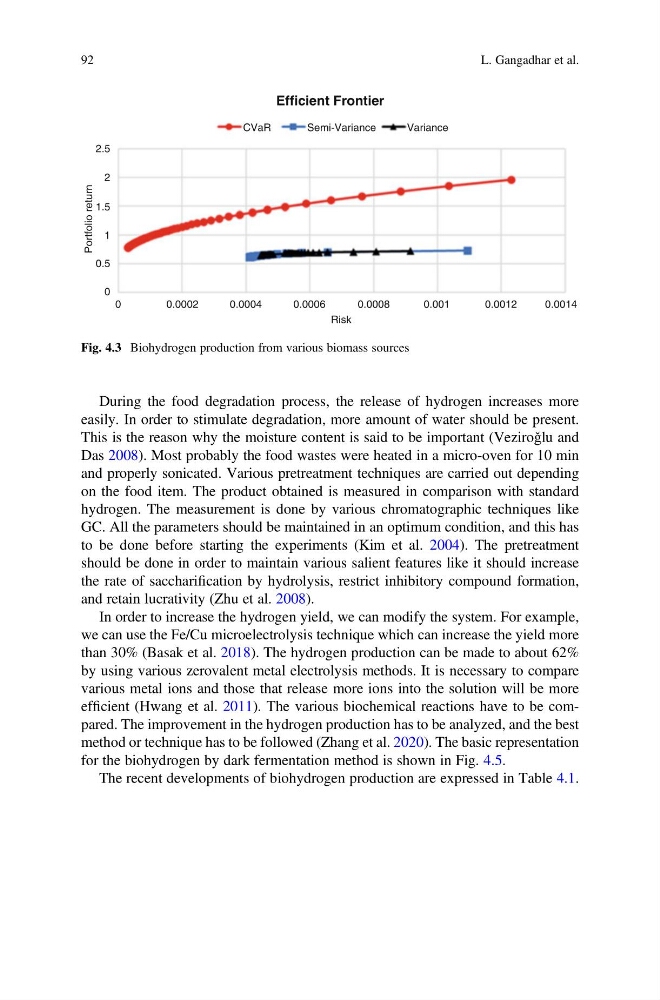
Fig. 4.3 Biohydrogen production from various biomass sources
92
L. Gangadhar et al.
easily. In order to stimulate degradation, more amount of water should be present.
This is the reason why the moisture content is said to be important (Veziroǧlu and
Das 2008). Most probably the food wastes were heated in a micro-oven for 10 min
and properly sonicated. Various pretreatment techniques are carried out depending
on the food item. The product obtained is measured in comparison with standard
hydrogen. The measurement is done by various chromatographic techniques like
GC. All the parameters should be maintained in an optimum condition, and this has
to be done before starting the experiments (Kim et al. 2004). The pretreatment
should be done in order to maintain various salient features like it should increase
the rate of saccharification by hydrolysis, restrict inhibitory compound formation,
and retain lucrativity (Zhu et al. 2008).
In order to increase the hydrogen yield, we can modify the system. For example,
we can use the Fe/Cu microelectrolysis technique which can increase the yield more
than 30% (Basak et al. 2018). The hydrogen production can be made to about 62%
by using various zerovalent metal electrolysis methods. It is necessary to compare
various metal ions and those that release more ions into the solution will be more
efficient (Hwang et al. 2011). The various biochemical reactions have to be compared. The improvement in the hydrogen production has to be analyzed, and the best
method or technique has to be followed (Zhang et al. 2020). The basic representation
for the biohydrogen by dark fermentation method is shown in Fig. 4.5.
The recent developments of biohydrogen production are expressed in Table 4.1.
2.5
Efficient Frontier
Portfolio return
2
1.5
0.5
0
0
0.0002
0.0004
0.0006
0.0008
Risk
0.001
0.0012
0.0014
1
CVaR
Semi-Variance
Variance
Fig. 4.3 Biohydrogen production from various biomass sources
92
L. Gangadhar et al.