

4 Anthropogenic Water Reservoirs in Poland
85
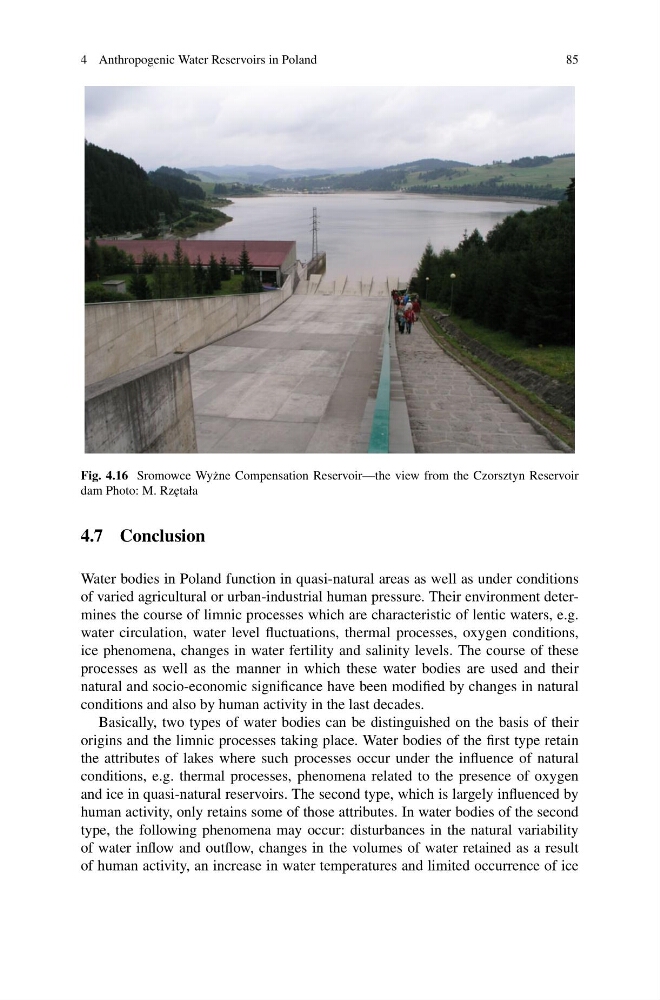
Fig. 4.16 Sromowce Wy˙ zne Compensation Reservoir—the view from the Czorsztyn Reservoir
dam Photo: M. Rz˛ etała
4.7 Conclusion
Water bodies in Poland function in quasi-natural areas as well as under conditions
of varied agricultural or urban-industrial human pressure. Their environment determines the course of limnic processes which are characteristic of lentic waters, e.g.
water circulation, water level fluctuations, thermal processes, oxygen conditions,
ice phenomena, changes in water fertility and salinity levels. The course of these
processes as well as the manner in which these water bodies are used and their
natural and socio-economic significance have been modified by changes in natural
conditions and also by human activity in the last decades.
Basically, two types of water bodies can be distinguished on the basis of their
origins and the limnic processes taking place. Water bodies of the first type retain
the attributes of lakes where such processes occur under the influence of natural
conditions, e.g. thermal processes, phenomena related to the presence of oxygen
and ice in quasi-natural reservoirs. The second type, which is largely influenced by
human activity, only retains some of those attributes. In water bodies of the second
type, the following phenomena may occur: disturbances in the natural variability
of water inflow and outflow, changes in the volumes of water retained as a result
of human activity, an increase in water temperatures and limited occurrence of ice
85
Fig. 4.16 Sromowce Wy˙ zne Compensation Reservoir—the view from the Czorsztyn Reservoir
dam Photo: M. Rz˛ etała
4.7 Conclusion
Water bodies in Poland function in quasi-natural areas as well as under conditions
of varied agricultural or urban-industrial human pressure. Their environment determines the course of limnic processes which are characteristic of lentic waters, e.g.
water circulation, water level fluctuations, thermal processes, oxygen conditions,
ice phenomena, changes in water fertility and salinity levels. The course of these
processes as well as the manner in which these water bodies are used and their
natural and socio-economic significance have been modified by changes in natural
conditions and also by human activity in the last decades.
Basically, two types of water bodies can be distinguished on the basis of their
origins and the limnic processes taking place. Water bodies of the first type retain
the attributes of lakes where such processes occur under the influence of natural
conditions, e.g. thermal processes, phenomena related to the presence of oxygen
and ice in quasi-natural reservoirs. The second type, which is largely influenced by
human activity, only retains some of those attributes. In water bodies of the second
type, the following phenomena may occur: disturbances in the natural variability
of water inflow and outflow, changes in the volumes of water retained as a result
of human activity, an increase in water temperatures and limited occurrence of ice